
Last updated September 24, 2026
Free written scope consultation - allowances, timeline, and change-order rules on paper before a single trade is scheduled


 Before
 After
After Before
 After
After Before
 After
AfterConstruction Warning Signs: A Huntington Beach Homeowner’s Reference Guide
When a Huntington Beach contractor asks to pull a permit in the homeowner’s name rather than their own, it is not a paperwork shortcut. It legally reclassifies the homeowner as the “owner-builder,” which voids the contractor’s liability for code compliance and eliminates the homeowner’s ability to file a CSLB complaint if work fails inspection. In the past five years, the California Contractors State License Board has disciplined over 200 unlicensed operators in Orange County alone, many of whom used this exact tactic. This guide catalogs the document-level warning signs that appear before any tool is picked up, what each one means legally, and the exact response that protects your investment. For more guides & resources on navigating construction in Orange County, see our blog.
Quick Answer
The most dangerous construction warning signs in Huntington Beach are all document-based: permits pulled in the homeowner’s name, down payments exceeding 10% or $1,000, lump-sum bids with no line-item breakdown, and license classifications that do not match the scope of work. Each of these creates legal exposure that persists years after the crew leaves. Verify the CSLB license, demand a written scope with fixed allowances, and never sign an owner-builder declaration unless you intend to act as your own general contractor.
Table of Contents
- The Permit-in-Homeowner’s-Name Red Flag
- Bid Structure Warning Signs
- Payment Request Red Flags Under California Law
- License Classification Mismatches
- On-Site Warning Signs During Construction
- Contract Clauses That Signal Trouble
- Common Mistakes to Avoid
- When to Call a Professional
- Frequently Asked Questions
 Before
 After
AfterThe Permit-in-Homeowner’s-Name Red Flag
This is the single most consequential warning sign, and it is almost never explained properly to homeowners. When a contractor in Huntington Beach suggests pulling the permit in your name, they are asking you to sign an owner-builder declaration on the building department application. This is not a minor administrative choice. It fundamentally restructures who bears legal responsibility for the work.
Under California law, an owner-builder assumes all duties of a licensed contractor: compliance with building codes, worker’s compensation coverage for anyone on site, and liability for defects. The person whose name appears on the permit is the party the city inspectors hold accountable. If the contractor’s name is not on the permit, the contractor has no legal obligation to correct code violations. You cannot file a CSLB complaint against an unpermitted contractor for work that was technically performed by the “owner-builder” - you.
We have reviewed competitor estimates in Huntington Beach where the fine print states: “Permit to be obtained by homeowner.” This language appears in the exclusions section, often on page two or three of a multi-page proposal. The homeowner signs without understanding that they have just accepted general contractor liability while paying someone else to manage the trade work.
The correct structure is straightforward: the licensed contractor pulls the permit in their business name, with their CSLB license number on the application. The homeowner pays the permit fees, which appear as a line item on the written estimate, but the contractor is the applicant of record. This preserves the homeowner’s right to CSLB recourse and keeps liability where it belongs.
At Rowan Construction Group Huntington Beach home, every permit application lists Rowan Construction Group as the contractor of record. Under Clause 1 of the Haven Standard, the written scope includes a permit submittal timeline and inspection schedule. The homeowner receives a copy of the approved permit card before work begins, not after.
What to do if asked: Decline. State that the contractor must pull the permit in their name or you will not proceed. Any legitimate contractor with an active license will agree immediately. Resistance to this request is itself a disqualifying signal.
Bid Structure Warning Signs
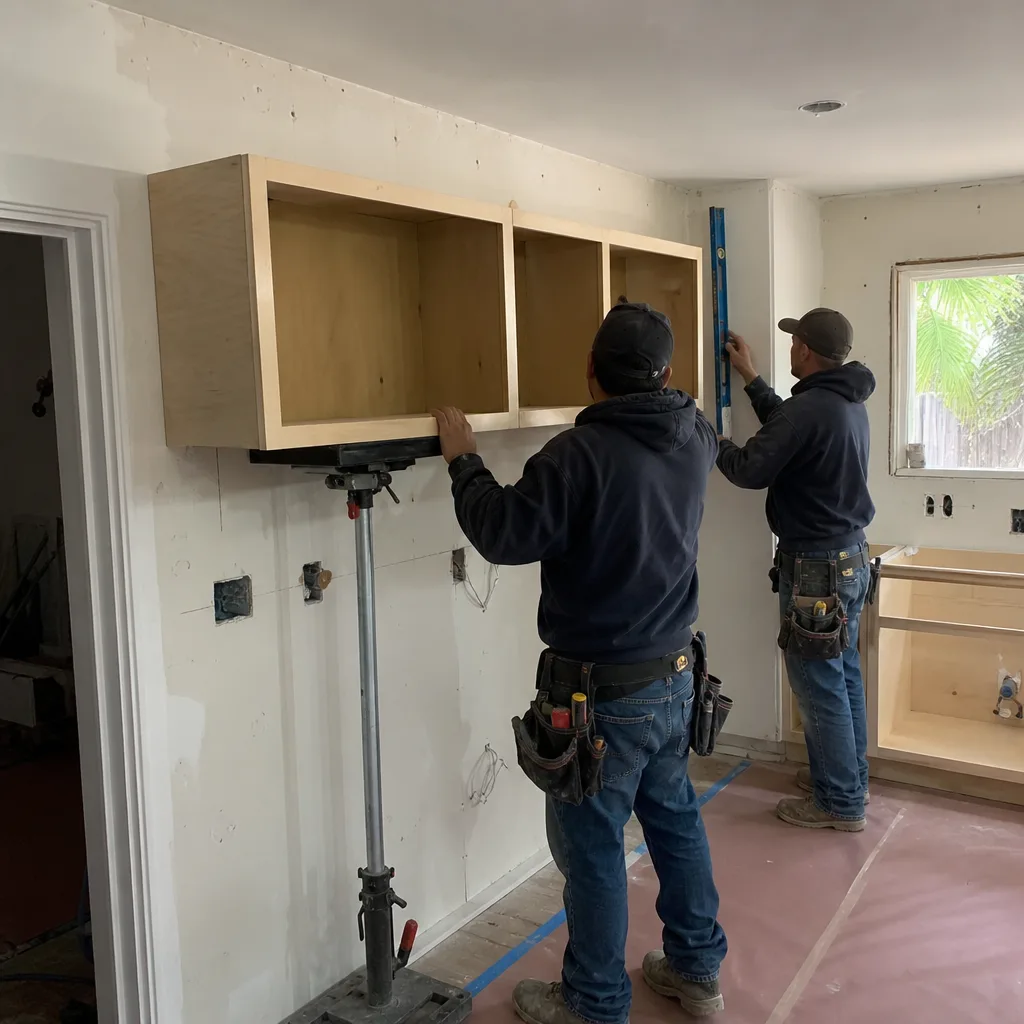
A written price before any work starts is the minimum threshold for a legitimate bid. But the format of that price matters enormously. We have analyzed hundreds of competitor estimates through our Free Second Opinion service, and the same structural problems appear repeatedly. Here is how to read a construction bid for the warning signs that predict cost overruns and disputes.
The Lump-Sum Bid with No Line Items
A single total with no breakdown - “Kitchen Remodel: $87,500” - gives you nothing to verify. You cannot check material allowances against actual supplier pricing. You cannot identify whether labor is front-loaded (a common tactic that leaves the contractor overpaid if the relationship sours). You have no basis to evaluate a change order because there is no original scope to change from.
A transparent bid from a Kitchen Remodeling in Huntington Beach project should show:
- Demolition and disposal: $X
- Cabinetry (KraftMaid or Wellborn, series specified): $X
- Countertops (Cambria or Caesarstone, color group specified): $X
- Plumbing rough and finish (Kohler or Toto fixtures specified): $X
- Electrical panel upgrade if required: $X
- Permit fees: $X
- Project management and documentation: $X
Each line item carries a fixed price. The total is the sum, not a rounded figure that suggests estimation rather than calculation.
Allowances Listed as “TBD” or “Open”
An allowance is a placeholder for a homeowner selection that has not been made yet: tile, fixtures, hardware. A legitimate allowance specifies the dollar amount and the quality tier it represents. “Tile allowance: $4.50/sq. ft., mid-grade ceramic, excludes natural stone or mosaic installation” is a real allowance. “Tile: TBD” is a blank check that the contractor controls.
In Huntington Beach’s coastal climate, material selection has real performance implications. The salt air accelerates corrosion on uncoated hardware. A vague allowance for “exterior fasteners” could mean zinc-plated screws that fail in eighteen months or 316 stainless steel that lasts decades. The allowance amount determines which you get, but only if the amount is specified.
Exclusions Buried in Small Print
Every legitimate bid has exclusions: things the contractor does not include. The warning sign is placement and specificity. Exclusions on page three in 8-point font, phrased as “unless otherwise noted,” create ambiguity that the contractor controls. A proper exclusion is specific, prominent, and discussed before signing: “Excludes: relocation of gas meter (SDG&E coordination required, estimated $2,400-$3,200 if needed).”
Here is a side-by-side comparison we have encountered in actual competitor estimates:
| Ambiguous Bid | Transparent Bid |
|---|---|
| Total: $67,500 | Total: $68,240 |
| Allowances: TBD | Cabinetry allowance: $14,200 (KraftMaid Durham Cherry or equivalent) |
| Exclusions: see attached | Exclusions: No structural engineering (separate, $1,800 if required); no asbestos abatement (test $450, abatement TBD by specialist) |
| Permit: by owner | Permit: Rowan Construction Group, CSLB #XXXXXX, estimated fees $1,840 |
| Payment: 50% down, balance on completion | Payment: 10% at signing ($6,824), 40% at rough inspection, 45% at final inspection, 5% retention 30 days |
The ambiguous bid is $740 lower but exposes the homeowner to unlimited allowance overruns, permit liability, and a 50% down payment that violates California law. The transparent bid costs slightly more upfront and eliminates the downstream surprises that average 23% over initial price in our market analysis.
Payment Request Red Flags Under California Law
California Business and Professions Code Section 7159 governs home improvement contracts. It is specific, enforceable, and routinely violated by contractors who assume homeowners do not know it exists. The payment structure in your contract is not a negotiation. It is a legal requirement, and deviation is a statutory violation that also predicts future problems.
The 10% / $1,000 Rule: For any home improvement contract, the down payment cannot exceed 10% of the contract price or $1,000, whichever is less. A $45,000 kitchen remodel has a maximum legal down payment of $1,000. A $8,500 fence installation has a maximum legal down payment of $850. A contractor who requests 25% or 50% “to secure materials” is breaking the law. Materials for standard residential projects are available on standard terms from any legitimate supplier. The request for excessive front-loading indicates cash flow problems, insufficient trade credit, or intent to perform incomplete work with no financial leverage for the homeowner to compel completion.
The Progress Payment Structure: Subsequent payments must be tied to completion of specified work, not calendar dates. “Second payment due June 15” is improper. “Second payment due upon passing rough plumbing and electrical inspection” is proper. This protects the homeowner from paying for work that has not been verified by a third party. In Huntington Beach, where the Building Division inspects to the 2019 California Building Code with local amendments for coastal zone requirements, inspection-passing is an objective milestone that cannot be faked.
The Retention Holdback: The final payment should not be the full remaining balance. A 5% retention held for 30 days after final inspection allows the homeowner to identify latent defects that appear only under use. We have seen shower pan failures, window leaks in the first rain, and HVAC commissioning errors that manifest within two weeks of occupancy. The retention holdback is the only financial leverage available after the contractor has been fully paid.
At Rowan Construction Group, our payment schedule is printed on every proposal and complies with B&P 7159 exactly. Under the Haven Standard, Clause 1 requires the written price; Clause 3 requires the payment schedule. No exceptions in 4,000-plus projects since 2007.
What to do if asked for excessive down payment: Cite the law. A legitimate contractor will acknowledge the requirement immediately. A contractor who argues, explains why “this project is different,” or suggests a side agreement is either uninformed or dishonest. Either is disqualifying.
License Classification Mismatches
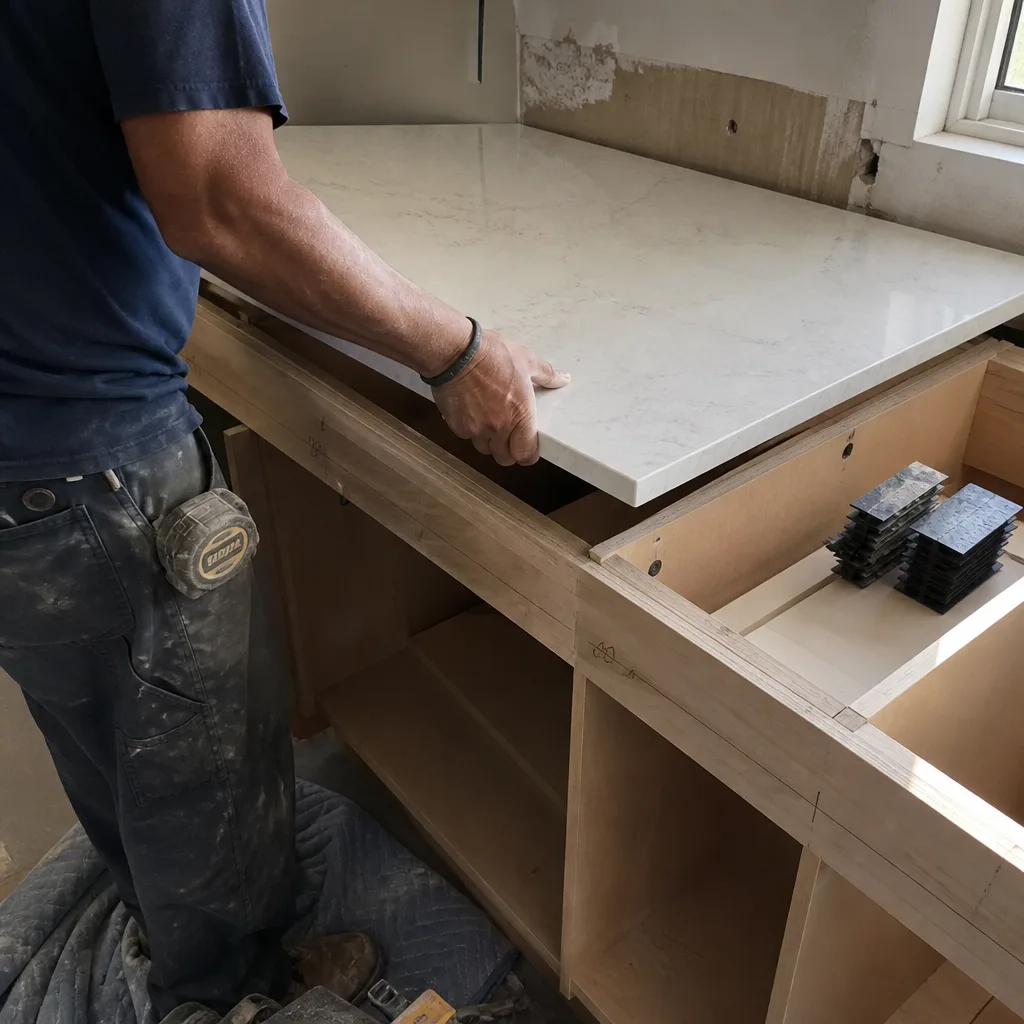
A CSLB license number is not a general permission to perform construction work. Each classification authorizes specific scopes, and operating outside that scope is unlicensed activity regardless of the number printed on the card. Homeowners rarely check this, and unscrupulous contractors exploit the gap.
Here are the mismatches we encounter most often in Huntington Beach:
- A C-10 Electrical contractor bidding general remodeling work. The C-10 authorizes electrical systems only. Framing, plumbing, and finish carpentry under a C-10 license is unlicensed. The homeowner has no CSLB recourse for defects in the non-electrical work.
- A B-General Building contractor bidding specialty HVAC replacement. The B license allows construction of structures, but standalone HVAC work (no structural modification) requires a C-20 Warm-Air Heating, Ventilating and Air-Conditioning license. A B contractor doing C-20 work without the proper classification is operating outside scope.
- A C-36 Plumbing contractor bidding Bathroom Remodeling in Huntington Beach including tile and electrical. The C-36 covers water and gas piping. Tile setting and electrical work are separate classifications (C-54 Ceramic and Mosaic Tile, C-10 Electrical).
- An unclassified “handyman” exceeding the $500 labor-and-materials limit. California requires a license for any project where labor and materials exceed $500. The handyman exemption is real but narrow. A $12,000 room addition is not handyman work.
How to verify: Visit cslb.ca.gov and enter the license number. The classification will be listed explicitly. Cross-reference against the CSLB description for that classification code. If the scope of your project includes work outside the listed classification, the contractor must either hold multiple classifications or subcontract to appropriately licensed specialists with the subcontractor’s license number disclosed in the contract.
At Rowan Construction Group, our B-General Building license covers structural work, additions, and whole-project management. Trade-specific work is performed by our own C-10, C-36, and C-20 licensed employees or by disclosed subcontractors with verified active licenses. The classification for each scope element is listed in the written proposal.
On-Site Warning Signs During Construction
Document verification happens before work begins. But once the crew arrives, additional warning signs predict specific downstream problems. These are leading indicators, not definitive proof of failure. Their value is in prompting early intervention before the problem compounds.
No Posted Permit Card
California law requires the approved building permit to be posted on the job site, visible from the street. Its absence means either the permit was not pulled, was pulled in the homeowner’s name (see above), or the contractor is avoiding inspector access. In Huntington Beach, the Building Division conducts spot inspections without appointment. A crew that hides when a city vehicle approaches is a crew that knows something is wrong.
Check the permit card yourself. It should show:
- The contractor’s business name and CSLB license number
- The scope of work as approved
- Inspection sign-off boxes for each required inspection
- The expiration date (typically 180 days from issuance, extendable)
If the permit card shows your name as the applicant, you have an owner-builder project, not a contractor-managed one.
Unintroduced Subcontractors with No Documentation
A legitimate general contractor knows who is on your property and why. Subcontractors arrive with identification, a scope letter, and often a subcontract agreement that the homeowner can request to review. A crew that appears without introduction, cannot name the company they work for, or lacks basic PPE (hard hats, safety glasses on grinding operations) suggests a labor broker arrangement with no employment relationship, no worker’s compensation coverage, and no accountability.
In our Roofing in Huntington Beach work, we have encountered competitor projects where the “roofing crew” turned out to be day laborers hired through a parking lot dispatcher, with no roofing experience and no fall protection. The homeowner had no recourse when the installation failed because the individuals could not be identified or located.
Absence of Daily Cleanup Standard
This sounds minor. It is not. A crew that leaves debris, extension cords across walkways, and unsecured tools is a crew without process discipline. Process discipline in cleanup correlates with process discipline in waterproofing, in electrical termination, in structural fastening. The daily photo record we provide under the Haven Standard includes site condition documentation for this reason. The customer sees what we found and what we did, including the state we left the site in each evening.
Work Proceeding Without Required Inspections
Each trade has inspection hold points: rough plumbing before wall closure, electrical before insulation, structural before finish. A contractor who encloses walls without rough inspection is hiding work that they know will not pass. The homeowner pays twice: once for the concealed defect, again for the demolition and correction when it is eventually discovered. In coastal Huntington Beach, where moisture intrusion is the dominant failure mode, a skipped waterproofing inspection can destroy a $40,000 kitchen in three years. Protect your investment with our Kitchen Remodeling Maintenance Checklist for Huntington Beach Homeowners.
Contract Clauses That Signal Trouble
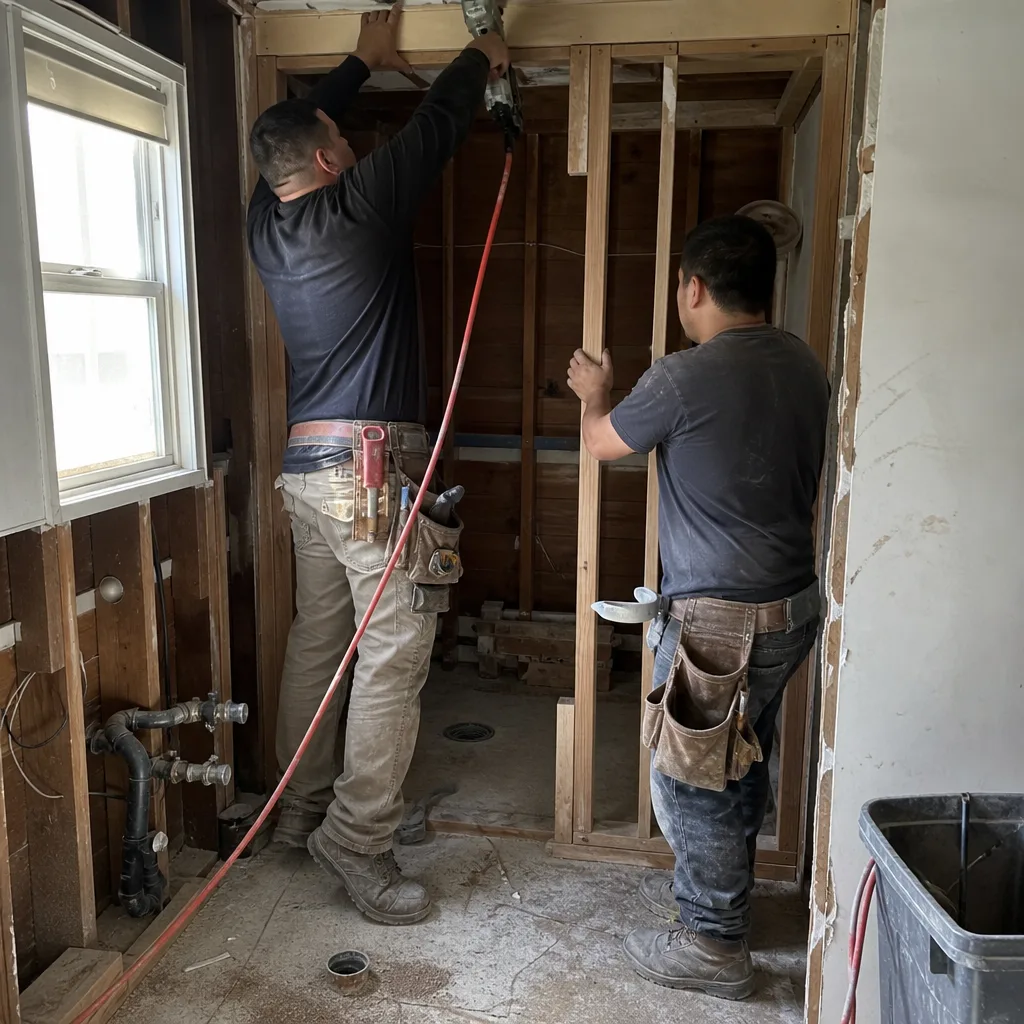
Beyond payment terms, specific contractual language patterns predict dispute likelihood. We have reviewed enough competitor contracts through our Free Second Opinion service to identify the recurring problem clauses.
“Time is of the essence” without a completion date. This clause makes delay damages enforceable against the homeowner but provides no reciprocal protection. A contract should specify a substantial completion date, with per-day damages for contractor-caused delay and force-majeure provisions for homeowner-caused delay or permit delays outside the contractor’s control.
“Contractor reserves the right to substitute materials of equal or better quality.” “Equal or better” is subjective and unenforceable. The contract should specify brands and product lines by name: James Hardie HardiePlank lap siding, not “fiber-cement siding or equivalent.” If substitution is necessary due to supply disruption, the contract should require written homeowner approval with specification sheets for the proposed alternative.
Arbitration clauses with class-action waivers. These eliminate the homeowner’s right to small-claims court for disputes under $10,000 and prevent aggregation of claims when multiple homeowners are harmed by the same contractor practice. They are increasingly common and increasingly enforced by California courts.
No lien release schedule. California mechanics lien law allows subcontractors and suppliers to lien your property if the general contractor does not pay them, even if you paid the general contractor in full. A proper contract includes a lien release schedule: conditional releases with each progress payment, unconditional releases upon final payment, and a requirement that the general contractor provide releases from every subcontractor and major supplier. Without this, you could pay $85,000 for a completed addition and still face a $30,000 lien from the framing subcontractor who was never paid.
Under the Haven Standard, every Rowan Construction Group contract includes a lien release schedule, a substantial completion date with liquidated damages, and brand-specific material specifications. Change orders require signed authorization before any additional work proceeds. This administrative discipline is why our projects finish within a few percent of the agreed price across 4,000-plus jobs.
Common Mistakes to Avoid
- Verifying the license number but not the classification. A valid CSLB number with the wrong classification is legally the same as no license for the work being performed. Always cross-reference the classification code against your project scope.
- Accepting “permit by owner” to save time. The Huntington Beach Building Division processes standard permits in 10-15 business days for residential work. Any contractor claiming this is too long either has a history of permit denials or is avoiding liability exposure. The time savings is illusory; the risk is permanent.
- Paying the down payment in cash or to a personal account. California law requires home improvement contract payments to be deposited into a licensed contractor’s business account. Payment to an individual, in cash without receipt, or via untraceable transfer eliminates your payment trail and CSLB recovery options.
- Failing to request the daily photo record during construction. Documentation is your only evidence if disputes arise. A contractor who cannot or will not provide dated photographs of work-in-progress is a contractor with something to hide. Our documented photo record is standard, not optional, on every visit.
- Ignoring neighborhood-specific warning signs. In Huntington Beach’s older neighborhoods like Downtown and Old Town, pre-1978 homes require lead-safe renovation practices under EPA RRP rules. A contractor who dismisses this requirement or claims “we’ve never had a problem” is exposing you to federal liability and your family to lead contamination. The $37,500 maximum EPA fine attaches to the property owner, not the contractor.
- Not obtaining a Free Second Opinion on a competitor’s written estimate. Our standing offer to review any written estimate line by line at no charge has identified structural problems in estimates that homeowners were prepared to sign. The review takes 30 minutes and has saved Huntington Beach homeowners from contracts that would have cost 30-50% more than the stated price.
When to Call a Professional
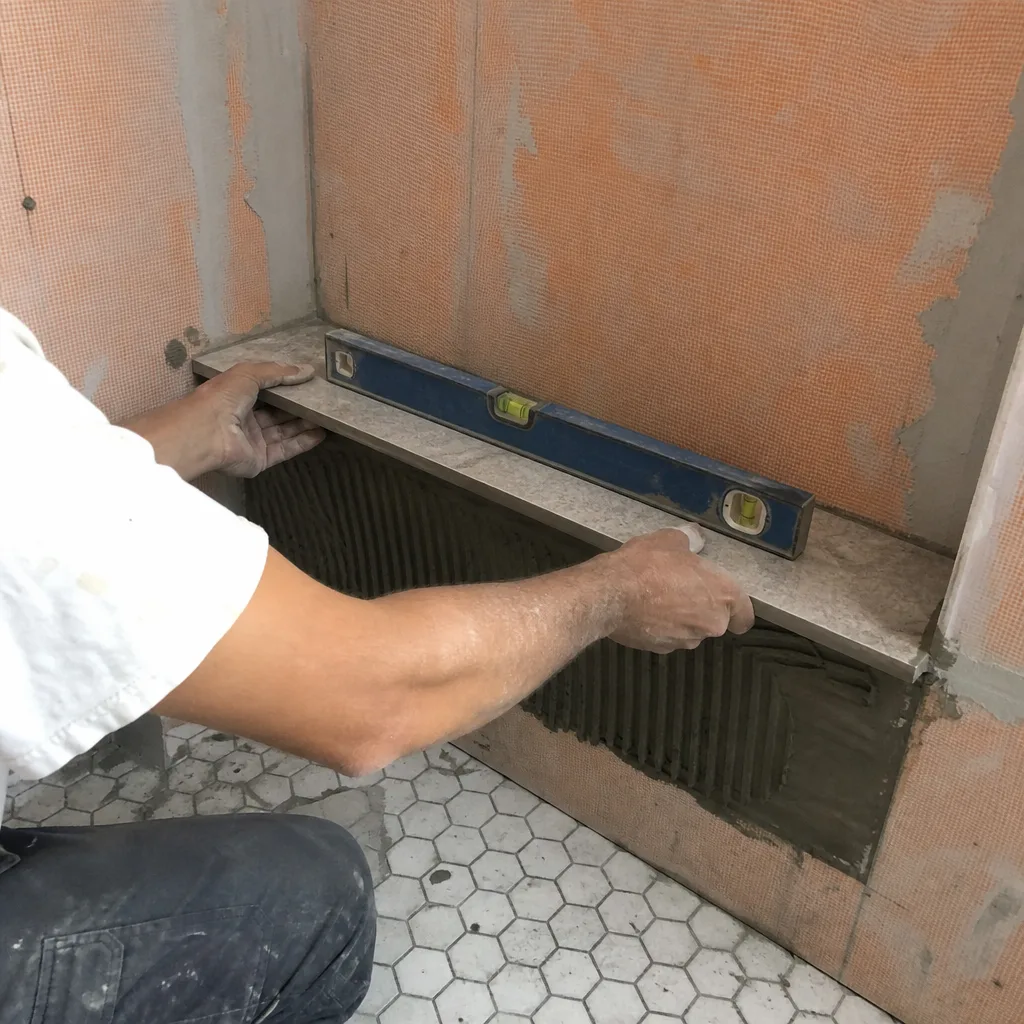
Call for independent review before you sign any contract that contains the warning signs above. The moment of maximum leverage is before payment, before permit, before work begins. After signing, your options narrow to dispute resolution mechanisms that are slow, expensive, and uncertain.
Specific scenarios that warrant immediate professional consultation: any request to sign an owner-builder declaration; any down payment request exceeding the 10%/$1,000 statutory limit; any bid without line-item breakdown for a project over $10,000; any contract without a completion date, lien release schedule, or material specifications by brand; any contractor whose CSLB classification does not match the full scope of work.
Rowan Construction Group Huntington Beach offers free estimates in Huntington Beach - call (657) 288-3368. We also provide our Free Second Opinion on any written estimate from any contractor, reviewed line by line with no obligation. The review includes a checklist of the warning signs identified in this guide, applied to your specific document.
Frequently Asked Questions
License verification through cslb.ca.gov is free. Permit history for a specific property can be requested from the Huntington Beach Building Division for a nominal fee, typically $15-$25 for a comprehensive record. Call (657) 288-3368 and we will walk you through the exact request format, or we can include permit history verification as part of our Free Second Opinion review.
It should not, if the estimate is properly structured. A fixed-price contract with specified allowances and a signed change-order process protects against arbitrary increases. The warning sign is an estimate with open allowances, vague exclusions, or no change-order protocol. Under the Haven Standard, no work proceeds on a change until the change order is signed, which is the discipline that has kept our projects within a few percent of the agreed price since 2007. Call (657) 288-3368 for an exact quote - estimates are free.
Rowan Construction Group pulls every permit in our name as the licensed contractor of record. The homeowner pays the permit fees, which appear as a line item on the written estimate, but we are the applicant responsible to the Huntington Beach Building Division. This preserves your CSLB complaint rights and keeps liability with the party performing the work. Any contractor who asks you to pull the permit is asking you to accept owner-builder liability.
A typical kitchen remodel with no structural changes takes 6-10 weeks from permit approval to final inspection, depending on material lead times and inspection scheduling. Projects in Huntington Beach’s coastal zone may require additional review for FEMA flood plain compliance in specific neighborhoods near the Santa Ana River or Pacific Coast Highway drainage areas. Our written proposals include a permit submittal timeline, inspection schedule, and substantial completion date with liquidated damages for delay. Call (657) 288-3368 for a project-specific timeline.
Ask for identification, the name of their employer, and their scope on your project. Then contact your general contractor to confirm the subcontractor is authorized and appropriately licensed for the work being performed. A legitimate general contractor knows who is on your property and why. If the subcontractor cannot provide this information or your general contractor cannot confirm them, stop work and document the situation. Our crews are background-checked, uniformed, and introduced to the homeowner before work begins, with license verification available on request.
Yes, and you should consider it for your own cash flow protection. The 10%/$1,000 limit is a ceiling, not a floor. A contractor with proper trade credit and financial stability should not need significant front-loading to begin work. At Rowan Construction Group, our standard down payment is the statutory maximum or less, with progress payments tied to inspection milestones. The retention holdback protects both parties and ensures completion discipline. Call (657) 288-3368 to discuss payment structure for your specific project.
The Bottom Line
Construction fraud and quality failure in Huntington Beach are preventable through document-level verification before any money changes hands. The five critical checks: permit pulled in the contractor’s name, not yours; down payment within the 10%/$1,000 statutory limit; license classification matching the full project scope; line-item bid with fixed allowances and specified brands; and contract including completion date, lien release schedule, and change-order protocol. Each of these is verifiable in minutes with public records. The cost of skipping them is measured in tens of thousands of dollars and years of dispute. Rowan Construction Group has operated under these standards since 2007, documented in the Haven Standard, with 4,000-plus projects and a record of finishing within a few percent of the written price.
Written by Grant Rowan, Owner at Rowan Construction Group Huntington Beach, serving Huntington Beach since 2007.