
Last updated September 24, 2026
Free written scope consultation - allowances, timeline, and change-order rules on paper before a single trade is scheduled
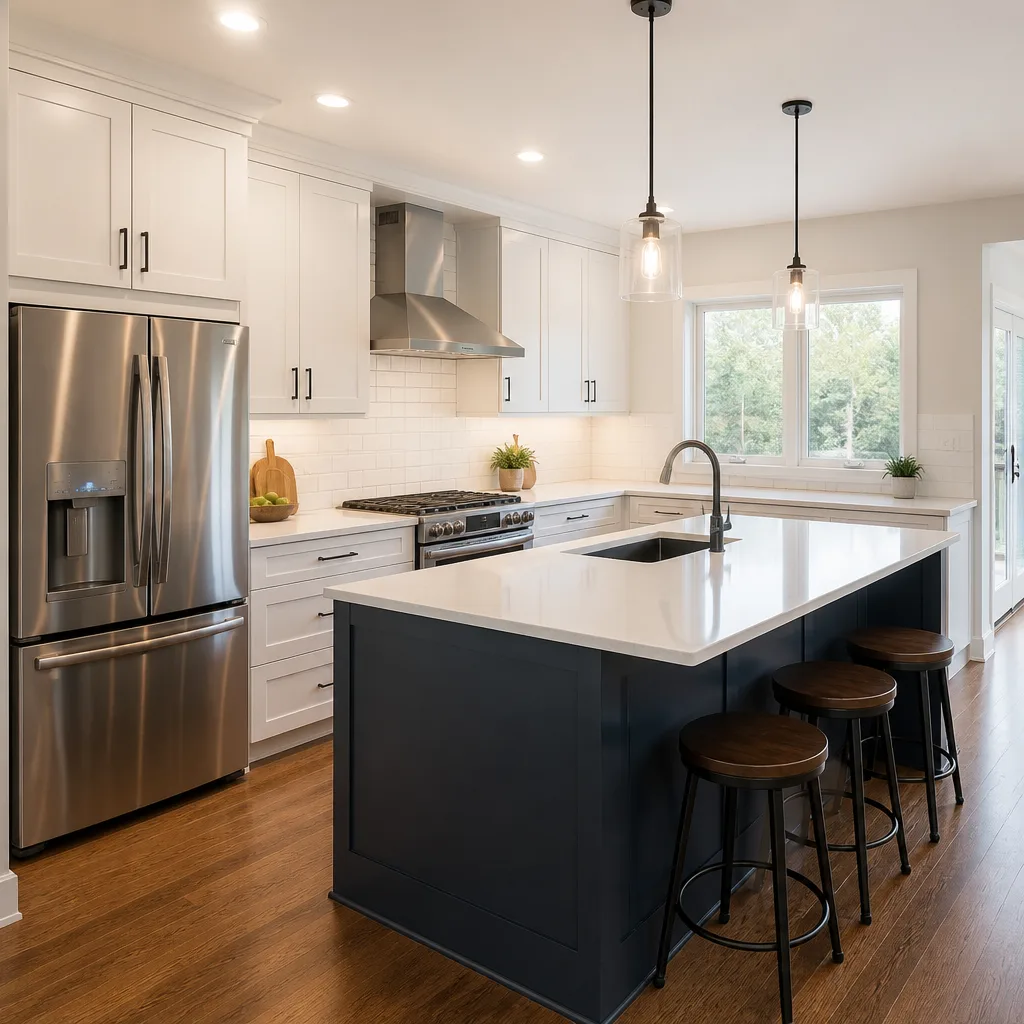
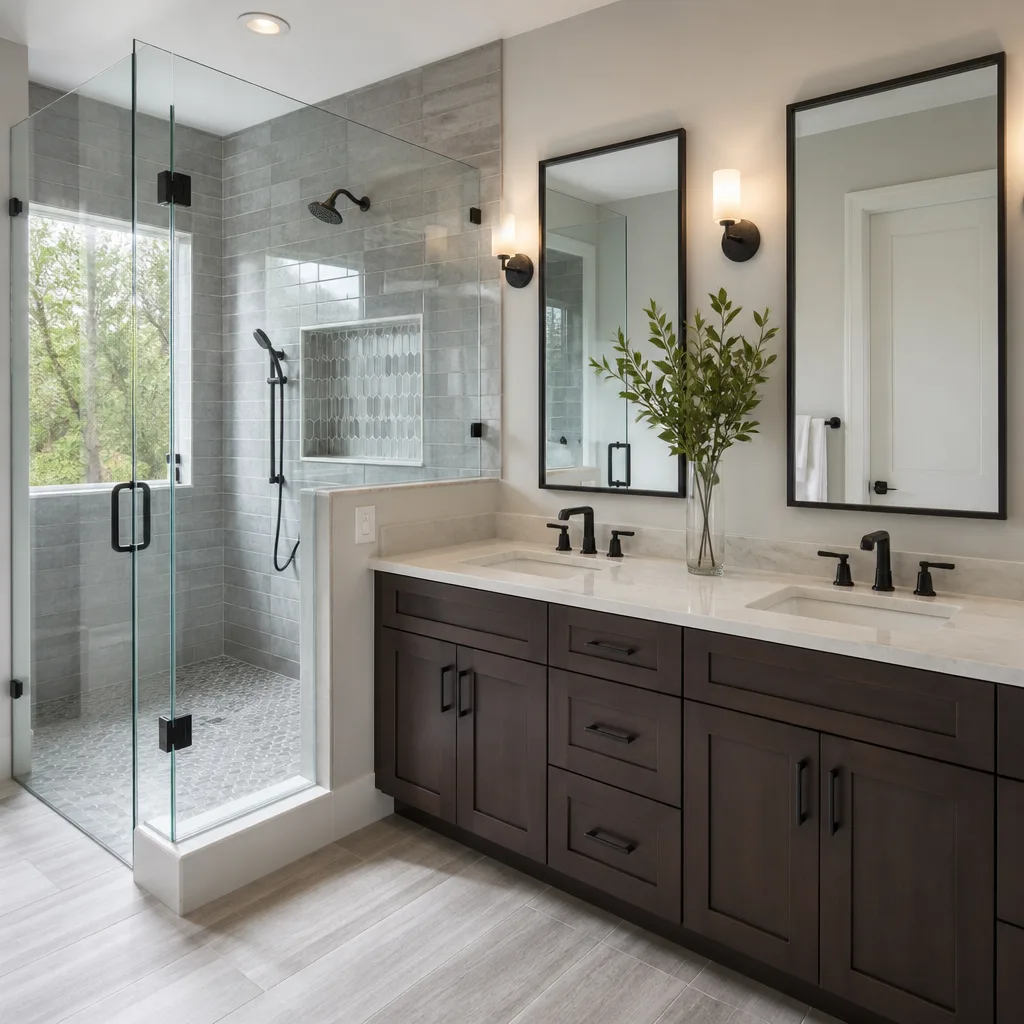
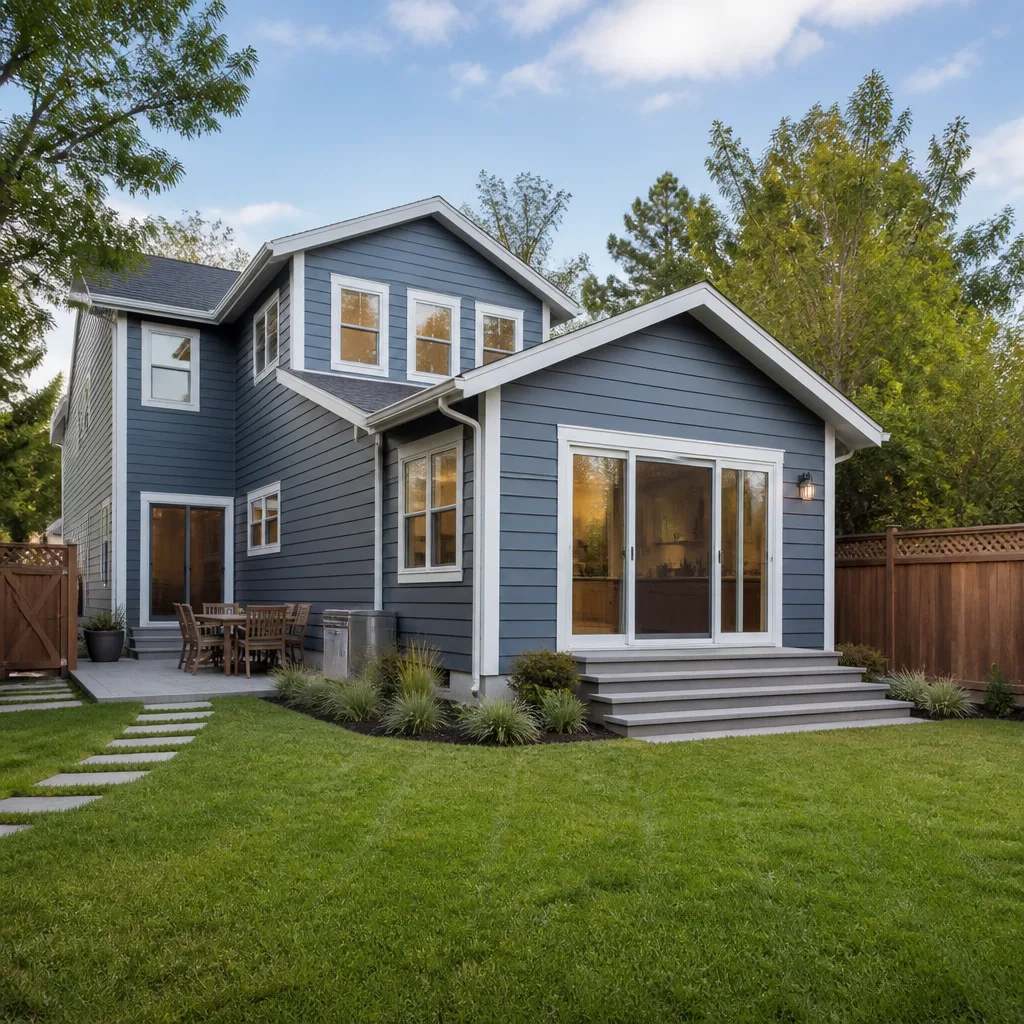

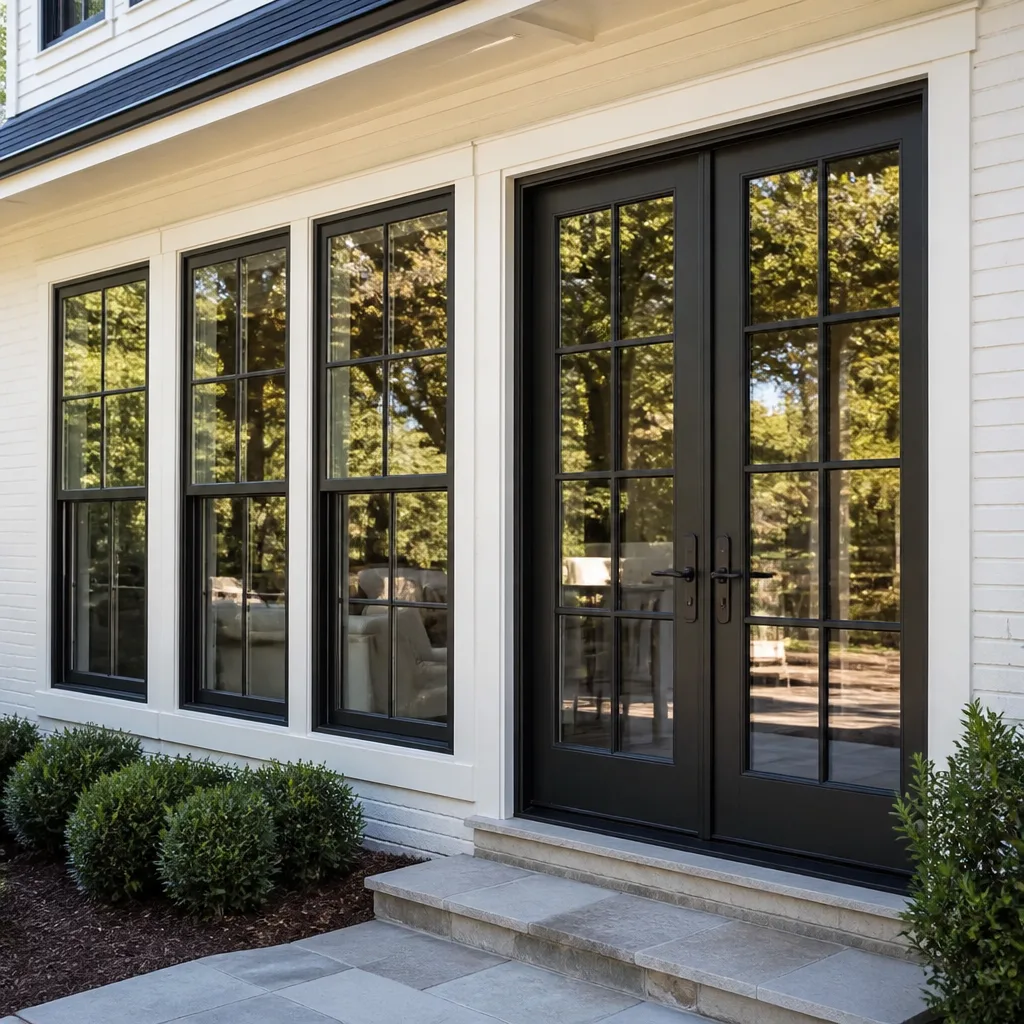
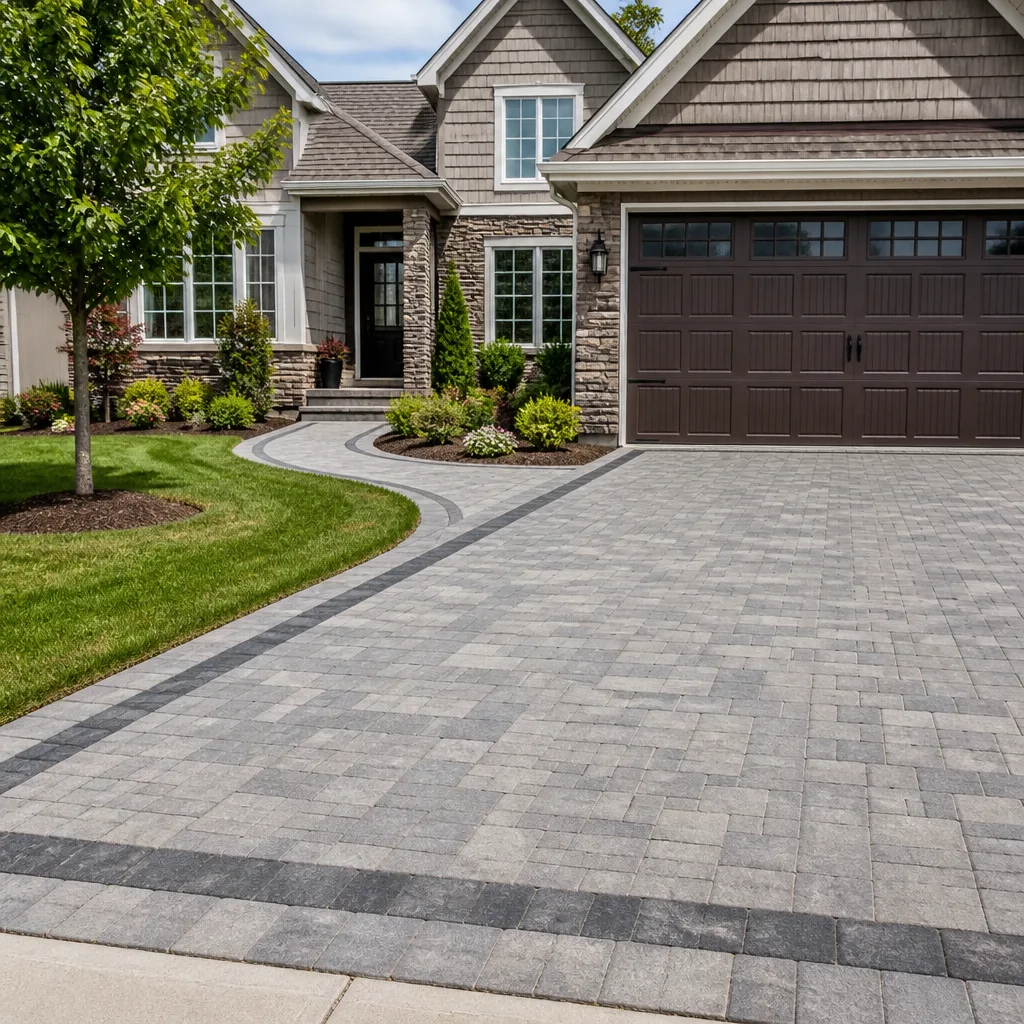
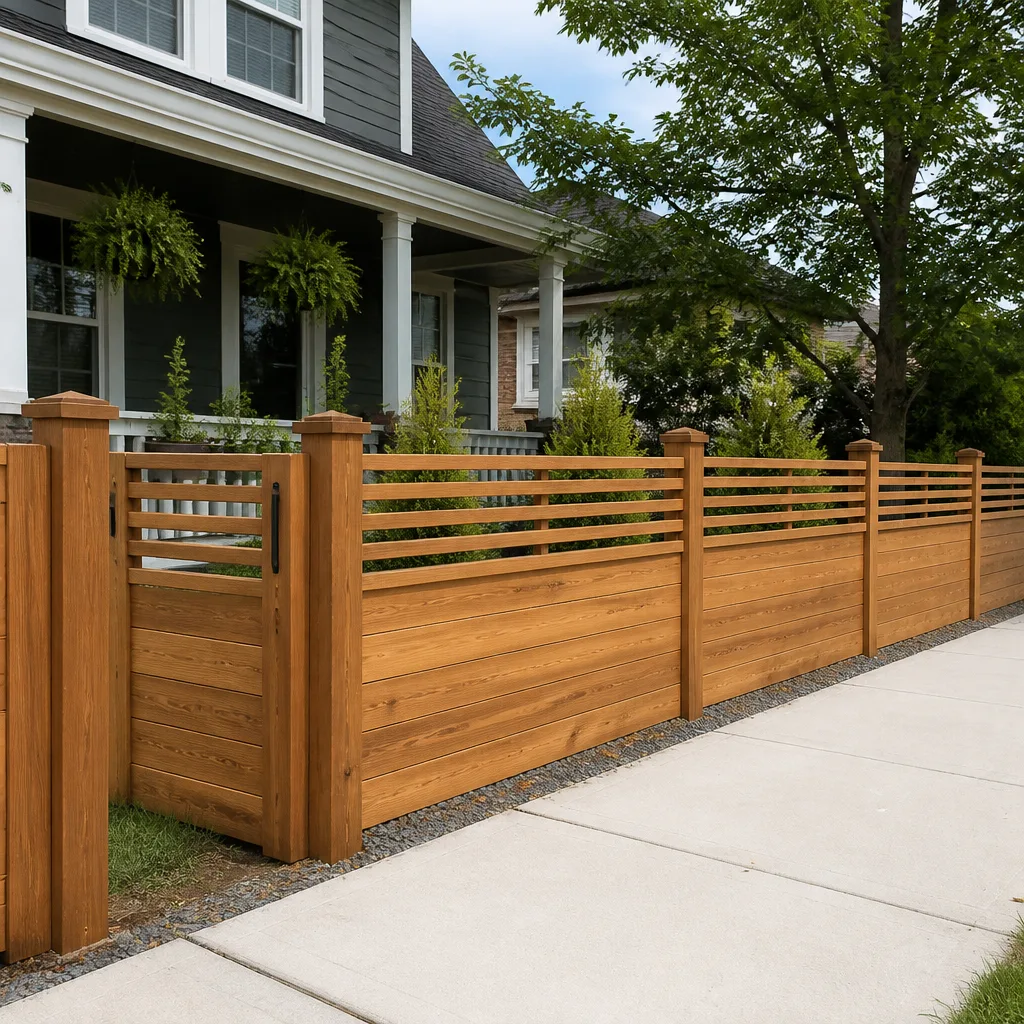
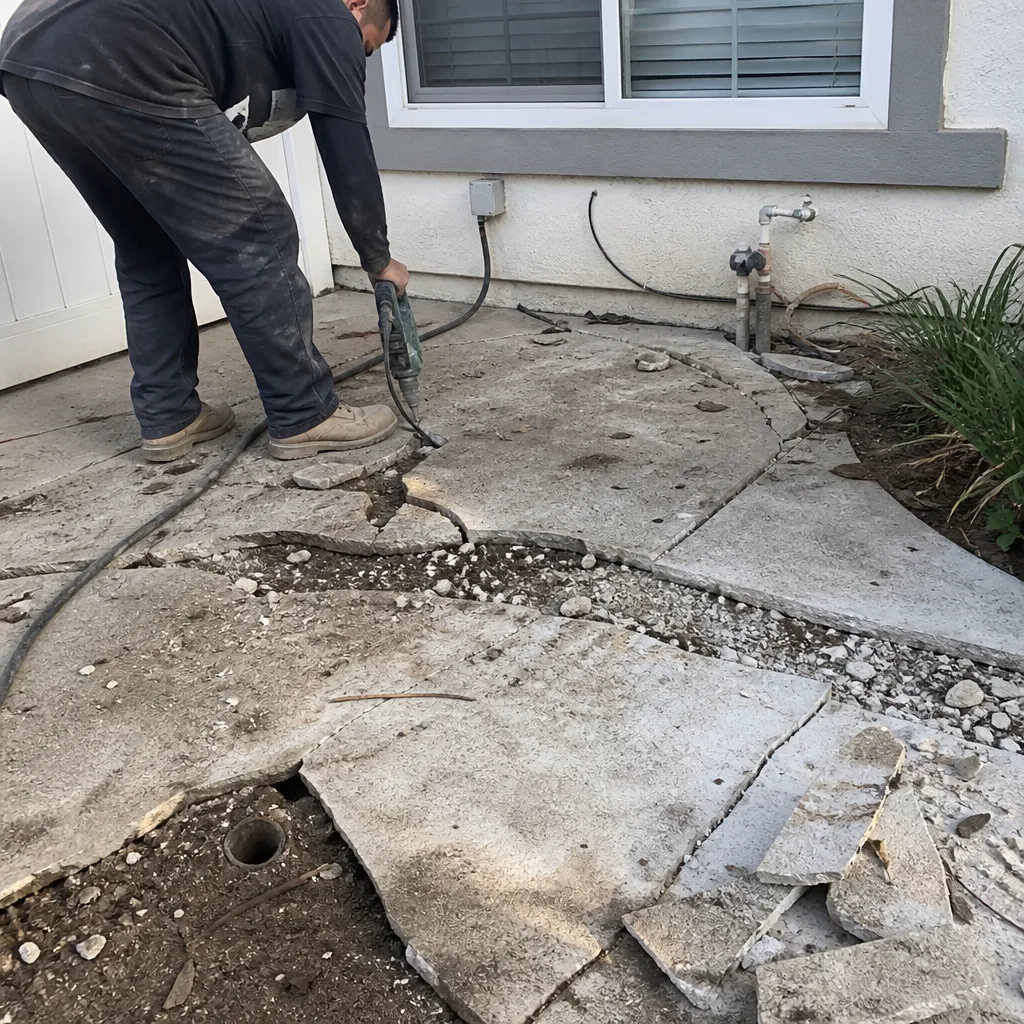 Before
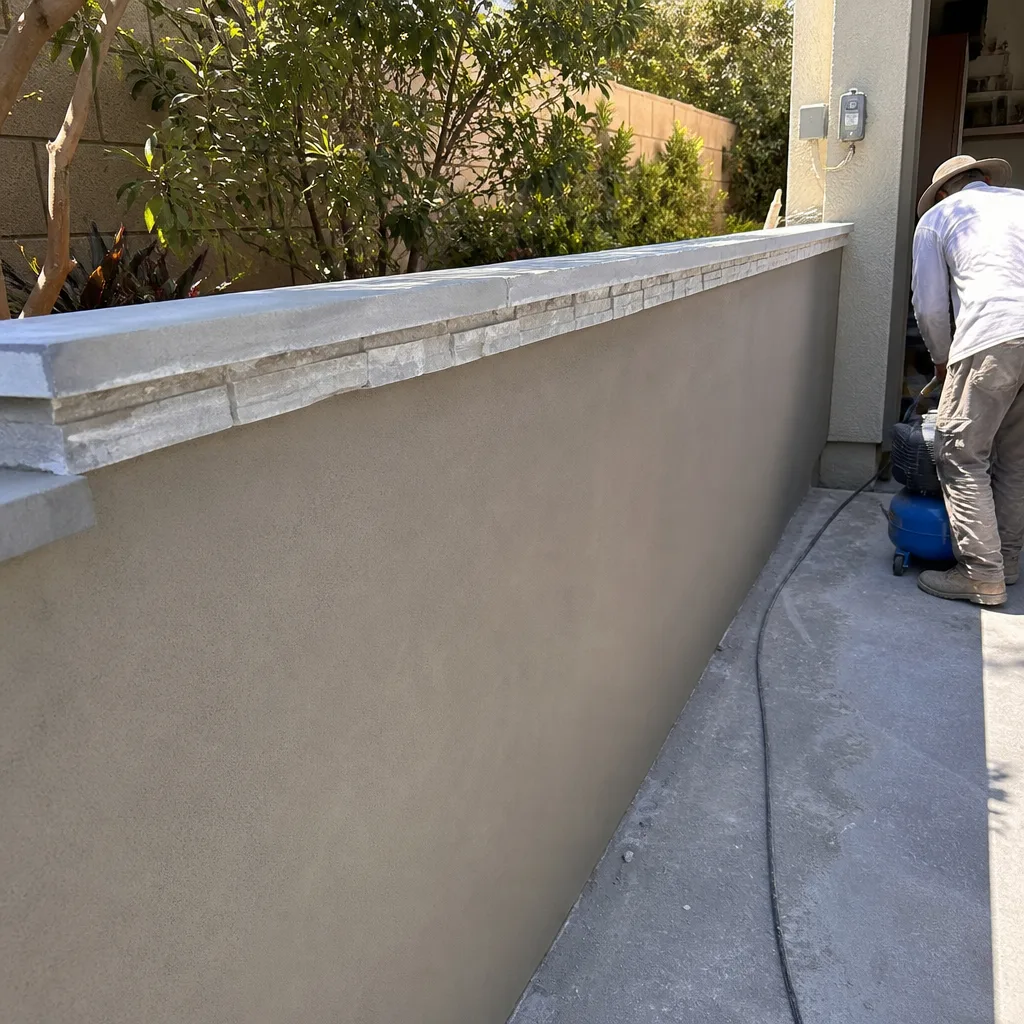 After
After Before
 After
After Before
 After
AfterHow to Hire a Construction Contractor in Huntington Beach: A Step-by-Step Guide
California requires any construction project over $500 in combined labor and materials to be performed by a CSLB-licensed contractor - yet the Contractors State License Board logs thousands of complaints annually in Orange County alone, most filed by homeowners who skipped the 90-second license verification check available free at cslb.ca.gov. In Huntington Beach’s active remodeling market, where coastal humidity accelerates material degradation and permit backlogs can stretch timelines by weeks, hiring the right contractor is less about charm and more about document verification. This Complete Guide to Construction in Huntington Beach walks through each step with the exact URLs, questions, and dollar thresholds that protect homeowners before a single tool is lifted.
Quick Answer
Hiring a construction contractor in Huntington Beach starts with a 90-second CSLB license verification at cslb.ca.gov, followed by a Certificate of Insurance request naming you as additional insured, a written contract with three statutorily required terms, and a payment structure that holds 10% until final city inspection. The entire verification process takes under 30 minutes and eliminates most bad actors before you meet anyone in person.
Table of Contents
- Step 1: Verify the CSLB License (90 Seconds)
- Step 2: Confirm Insurance, Bond, and Workers’ Comp
- Step 3: Demand These Six Contract Terms
- Step 4: Structure Payments to Protect Your Leverage
- Huntington Beach-Specific Considerations
- Red Flags in Huntington Beach’s Remodeling Market
- Common Mistakes to Avoid
- When to Call a Professional
- Frequently Asked Questions
- The Bottom Line
 Before
 After
AfterStep 1: Verify the CSLB License (90 Seconds)
The California Contractors State License Board maintains a public lookup tool at cslb.ca.gov/OnlineServices/CheckLicenseII/. Enter the contractor’s license number and review four specific fields. This is not optional advice - it is the single most effective filter available.
- License Status: Must read “Active.” Suspended or expired licenses are common after disciplinary action; an active status means the contractor has met renewal requirements including continuing education.
- Classification: Match the code to your project. A B-General Building contractor can oversee projects involving two or more unrelated trades (kitchen remodels, home additions, ADUs). A C-trade specialty license - C-36 Plumbing, C-39 Roofing, C-10 Electrical - is limited to that trade alone. Hiring a C-39 roofer to manage your kitchen remodel violates CSLB rules and voids your protections.
- Bond Amount: As of 2024, the minimum is $25,000. This bond exists to compensate homeowners for financial loss from defective work or license law violations - not to guarantee quality, but to provide a recovery path.
- Complaint History: Click “Complaint Disclosure” to view filed complaints, their status, and resolution. A single resolved complaint from 2019 is different from three open complaints in the past 18 months. Pattern matters more than presence.
In Huntington Beach, we’ve observed homeowners skip this step because the contractor “came recommended by a neighbor in Seacliff” or “has trucks all over Downtown.” Recommendation and visibility are not legal protections. The CSLB lookup is.
One additional check: verify the business name on the license matches the name on the proposal. Some contractors operate under multiple DBA names; mismatches complicate enforcement if problems arise.
Step 2: Confirm Insurance, Bond, and Workers’ Comp
A contractor stating they “carry insurance” is not documentation. You need a Certificate of Insurance (COI) from the contractor’s insurance broker, with specific provisions that most homeowners never request.
What to Request on the COI
- General Liability: Minimum $1 million per occurrence, $2 million aggregate. This covers property damage and bodily injury during construction.
- Your Name as Additional Insured: This is critical. Without it, the contractor’s insurer may deny your claim if their insured is at fault. Request this in writing: “Please name [your full legal name] as additional insured on the general liability policy for the project period.”
- Workers’ Compensation: California requires this for any contractor with employees. Verify coverage at dir.ca.gov through the Electronic Certification System. Uninsured workers on your property create direct liability - if injured, they can sue you personally.
The COI should list your project address and show expiration dates extending past your projected completion. In Huntington Beach, where coastal moisture can reveal latent defects months after completion, coverage that expires at project end leaves you exposed.
Request the COI before signing any contract. A contractor who delays or deflects - “my broker is slow,” “we’ll get that sorted” - is signaling either disorganization or inadequate coverage. Neither is acceptable when the project value exceeds $500.
Step 3: Demand These Six Contract Terms
California Business and Professions Code Section 7159 mandates three specific terms for any home improvement contract over $500. Three additional terms separate adequate contracts from protective ones.
The Three Statutorily Required Terms
- Total Contract Price: The exact dollar amount, inclusive of all labor, materials, taxes, and permit fees. Not an estimate. Not “TBD.” The final number.
- Description of Work and Materials: Sufficient detail to identify the scope - “install Kohler Devonshire widespread faucet in brushed nickel” rather than “update plumbing fixtures.”
- Notice of Cancellation: A statement that the homeowner may cancel within three business days of signing, with the contractor’s name and address provided for notice.
The Three Protective Terms We Require Under The Haven Standard
- Signed Change Order Clause: No work proceeds on any change until the change order is signed by both parties. Under Clause 1 of The Haven Standard, this is non-negotiable. Verbal scope changes are the primary source of cost overruns; our 4,000-plus projects have finished within a few percent of the agreed price because this clause is enforced without exception.
- Lien Release Schedule: The contractor provides conditional lien releases from all subcontractors and material suppliers with each payment, and unconditional releases upon final payment. Without this, you risk paying the contractor while a supplier files a mechanics lien against your property for non-payment.
- Payment Milestone Structure: Payments tied to verified completion stages, not calendar dates. “25% at rough inspection approval” is enforceable; “25% at 30 days” is not.
In Huntington Beach, where permit inspections can be delayed by coastal zone reviews or backlog, calendar-based payments penalize homeowners for city scheduling issues. Milestone-based payments align contractor and homeowner interests.
Step 4: Structure Payments to Protect Your Leverage
California law caps the down payment at the lesser of 10% of the contract price or $1,000, whichever is less. A contractor requesting more is violating state law - full stop.
| Payment Milestone | Typical Percentage | Verification Required |
|---|---|---|
| Contract execution (down payment) | 10% or $1,000, whichever is less | Signed contract, active license verified |
| Materials delivered / rough-in complete | 25% | Permit rough inspection passed |
| Substantial completion | 50% | City inspection approval, punch list created |
| Final payment | 10-15% | Final inspection card issued, lien releases received |
The final 10% is your single most effective leverage point. Hold it until the city issues the final inspection card, not when the contractor declares the job “done.” In Huntington Beach, the Building Division at 2000 Main Street issues this card after verifying code compliance; without it, you have no documented proof of permitted completion.
We’ve seen homeowners in neighborhoods like Huntington Harbour release final payment based on visual appeal, only to discover months later that electrical or plumbing rough-in was never inspected. The final inspection card prevents this. Under The Haven Standard, our crews do not request final payment until the card is in the customer’s hand.
Huntington Beach-Specific Considerations
Huntington Beach’s coastal location creates conditions that inland contractors may not account for in their specifications.
Climate and Material Selection
Salt air within two miles of the Pacific accelerates corrosion in fasteners, flashing, and hardware. In neighborhoods like Sunset Beach and Bolsa Chica, we specify 316-grade stainless steel fasteners rather than 304-grade for exterior applications - the molybdenum content resists chloride attack. A contractor proposing standard galvanized fasteners for coastal exposure is specifying failure within 5-7 years.
Humidity fluctuations also affect interior materials. Cabinetry in beach-adjacent homes requires marine-grade plywood substrates rather than particleboard, which swells and delaminates in sustained humidity above 70%. When we quote kitchen remodeling in Huntington Beach, we specify KraftMaid or Wellborn cabinet lines with plywood box construction as standard - not as an upgrade.
Permit and Inspection Realities
Huntington Beach Building Division requires permits for structural, electrical, plumbing, and mechanical work. The city participates in automated plan check for residential projects under 4,000 square feet, which typically processes in 10-15 business days. However, projects in the Coastal Zone - generally west of Pacific Coast Highway - require additional Coastal Development Permit review, adding 4-6 weeks.
A contractor whose timeline assumes standard permit turnaround for a Coastal Zone project has not done this work in Huntington Beach before. Ask specifically: “Has your license been used for permits in Huntington Beach in the past 24 months?” The CSLB lookup shows city permit associations; verify the answer.
Neighborhood-Specific Code Triggers
Older neighborhoods like Downtown Huntington Beach and Old Town contain homes built before modern energy codes. Any project exceeding $1,000 in valuation triggers Title 24 energy compliance - typically requiring upgraded insulation, high-efficacy lighting, or cool roof materials. A bid that omits these costs will increase by $2,000-$5,000 when the city plan checker flags the requirement.
We include Title 24 compliance costs in every written quote for pre-1990 homes. The price is flat; the scope is complete. This is Clause 1 of The Haven Standard - no surprises after signing.
Red Flags in Huntington Beach’s Remodeling Market
Huntington Beach’s high property values and active resale market attract operators who optimize for speed over compliance. These specific behaviors indicate elevated risk:
- Bids that exclude permit fees: Huntington Beach permit fees for a typical kitchen remodel run $1,200-$2,800. A bid that omits this line item either plans to work without permits or will add it later as a “surprise” change order. Either way, the initial price is not the real price.
- Verbal scope changes with written price increases: “While we’re here, we noticed the subfloor is worse than expected - it’ll be another $3,200.” Without a signed change order documenting the condition found, the scope change, and the new price, this is unenforceable and often fraudulent. Our documented photo record on every visit exists precisely to prevent this scenario; customers see what we found before any additional work is discussed.
- Pressure to release final payment before inspection: “The inspector is backed up for three weeks - just pay me now and I’ll handle it.” Once payment is released, your leverage disappears. The contractor has no financial incentive to complete the permit closure.
- No physical business address: A PO box or residential address as the contractor’s listed business location suggests limited operational infrastructure. The CSLB license lookup shows the business address; verify it exists and is commercial if the project value exceeds $10,000.
- Material brand vagueness: “Premium cabinets” or “commercial-grade fixtures” without manufacturer names. Specificity protects you; vagueness protects the contractor’s margin. We name fifty-plus vetted brands in our quotes - Kohler and Toto for fixtures, Cambria and Caesarstone for countertops, GAF and Owens Corning for roofing - because the customer deserves to know exactly what they’re buying.
Common Mistakes to Avoid
- Skipping the CSLB check because of a personal recommendation. Even honest referrals can involve unlicensed operators. The 90-second lookup protects both you and the person who recommended them.
- Accepting “insurance forthcoming” as sufficient. A Certificate of Insurance takes 24 hours to produce. Any delay beyond this suggests the policy does not exist or has lapsed.
- Paying the down payment in cash. California law does not prohibit cash payment, but it eliminates your paper trail. Use check or electronic transfer; both create documentary evidence if disputes arise.
- Failing to verify the permit was actually pulled. Ask for the permit number and verify it on the city’s online portal before work begins. Unpermitted work must be disclosed in future sales and can trigger retroactive compliance costs.
- Not requesting lien releases with each payment. Without documented proof that subcontractors and suppliers were paid, you remain exposed to mechanics liens even after paying the general contractor in full.
- Releasing final payment based on visual completion alone. The final inspection card is the only objective verification that the work meets code. Hold 10% until it is issued.
- Ignoring the Coastal Zone distinction. Properties west of Pacific Coast Highway face additional permit requirements that extend timelines and costs. A contractor who does not mention this in their initial assessment has not priced the project accurately.
When to Call a Professional
Some project indicators suggest immediate professional involvement: structural wall modification, electrical panel upgrades, roof replacement with potential decking damage, or any project requiring Huntington Beach Building Division permits. These scenarios involve code compliance, safety systems, and liability exposure that exceed typical homeowner management capacity.
For homeowners researching their options, Rowan Construction Group Huntington Beach offers free estimates with written, line-item pricing before any work begins. Our 365-Day Done Right Promise applies across seven trades - from kitchen remodeling and bathroom remodeling to roofing, windows and doors, fence installation, driveway and pavers, and home additions including ADUs. Every quote includes a documented photo record as standard, and we provide a Free Second Opinion on any competitor’s written estimate - reviewed line by line at no charge. Call (657) 288-3368 to schedule your free estimate.
Frequently Asked Questions
A mid-range kitchen remodel in Huntington Beach typically runs $75,000-$125,000, including permits, materials, and labor; see our Kitchen Remodeling Maintenance Checklist for Huntington Beach Homeowners for long-term care after installation. Coastal-zone homes may add 8-12% for moisture-resistant specifications and extended permit timelines. Call (657) 288-3368 for a written, line-item quote - estimates are free.
The CSLB license status at cslb.ca.gov is the most important single verification. An active license with matching classification, current $25,000 bond, and clean complaint history eliminates most bad actors before you meet. Everything else - insurance, contract terms, payment structure - builds on this foundation.
No. For home improvement contracts over $500, California law caps the down payment at 10% of the contract price or $1,000, whichever is less. A contractor requesting more is violating Business and Professions Code Section 7159 and should be reported to the CSLB.
Properties generally west of Pacific Coast Highway fall within Huntington Beach’s Coastal Zone and require a Coastal Development Permit for most exterior modifications. The Huntington Beach Community Development Department can confirm your specific parcel status. This distinction adds 4-6 weeks to permit timelines and should be factored into project scheduling.
Decline. Unpermitted work must be disclosed in property sales, can trigger retroactive compliance orders, and voids most homeowners insurance coverage for related damage. The savings are illusory; the liability is real. A licensed contractor who proposes working without permits is risking their license and exposing you to significant financial harm.
Under The Haven Standard, no work proceeds on any change until the change order is signed - this administrative discipline has kept our projects within a few percent of the agreed price across 4,000-plus jobs since 2007. The written quote you receive before work begins is the price you pay, unless you request additional scope and sign a change order documenting the new work and price. Call (657) 288-3368 for a free estimate with guaranteed written pricing.
The Bottom Line
Hiring a construction contractor in Huntington Beach is a document verification process that happens before personality assessment. The CSLB license check, Certificate of Insurance with additional insured status, six specific contract terms, and milestone-based payment structure with 10% held for final inspection - these four steps take under 30 minutes and eliminate most problems before they begin. The homeowners who file complaints with the CSLB are overwhelmingly those who skipped one or more of these steps. The tools are free, the process is straightforward, and the protection is substantial - explore our more guides & resources for additional homeowner protection strategies.
Written by Grant Rowan, Owner at Rowan Construction Group Huntington Beach, serving Huntington Beach since 2007.