
Last updated September 24, 2026
Free written scope consultation - allowances, timeline, and change-order rules on paper before a single trade is scheduled
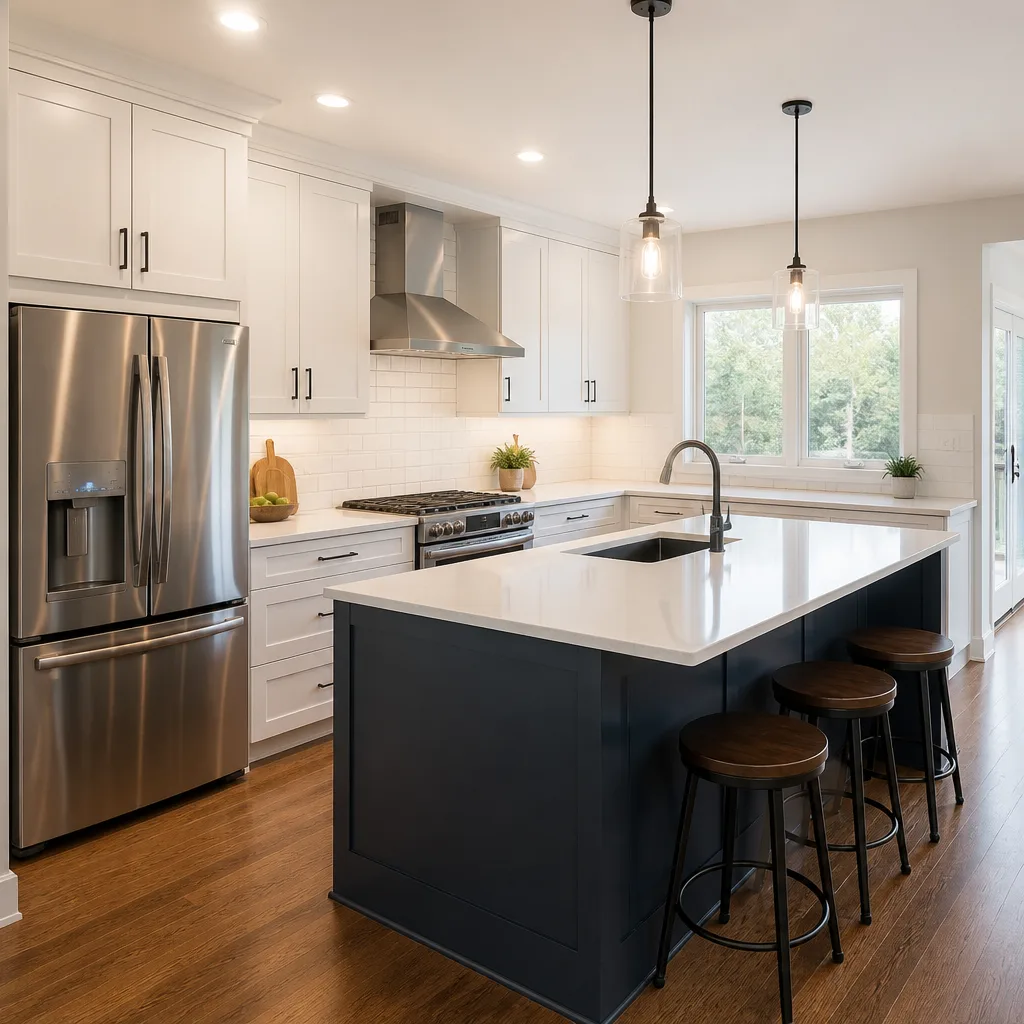
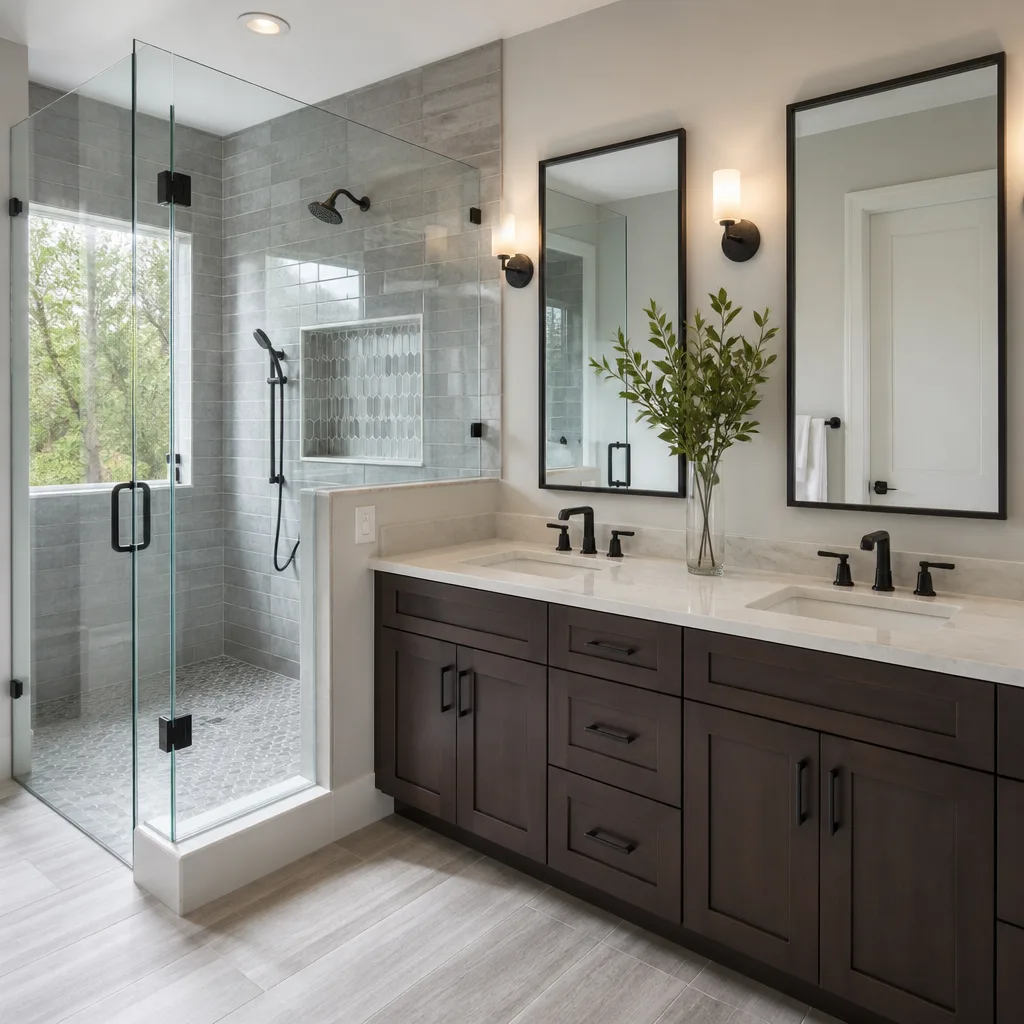
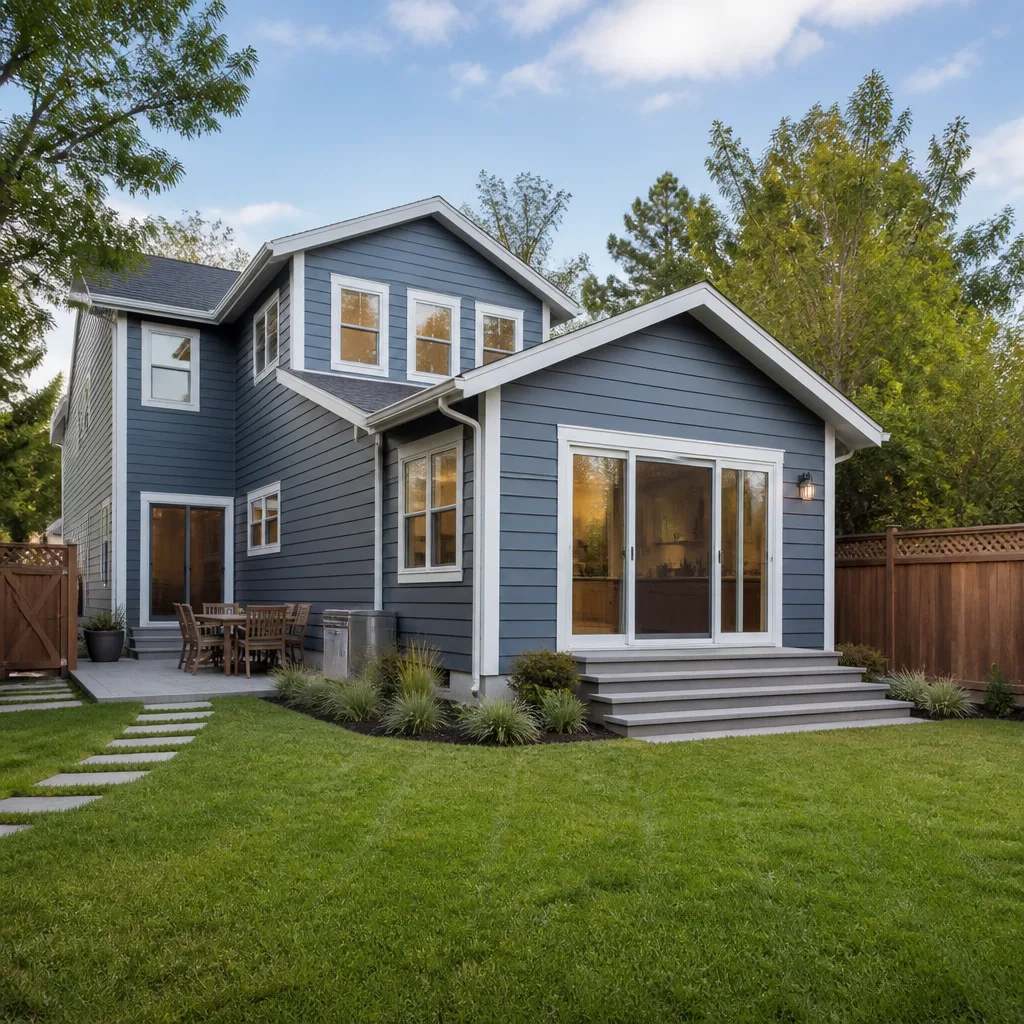

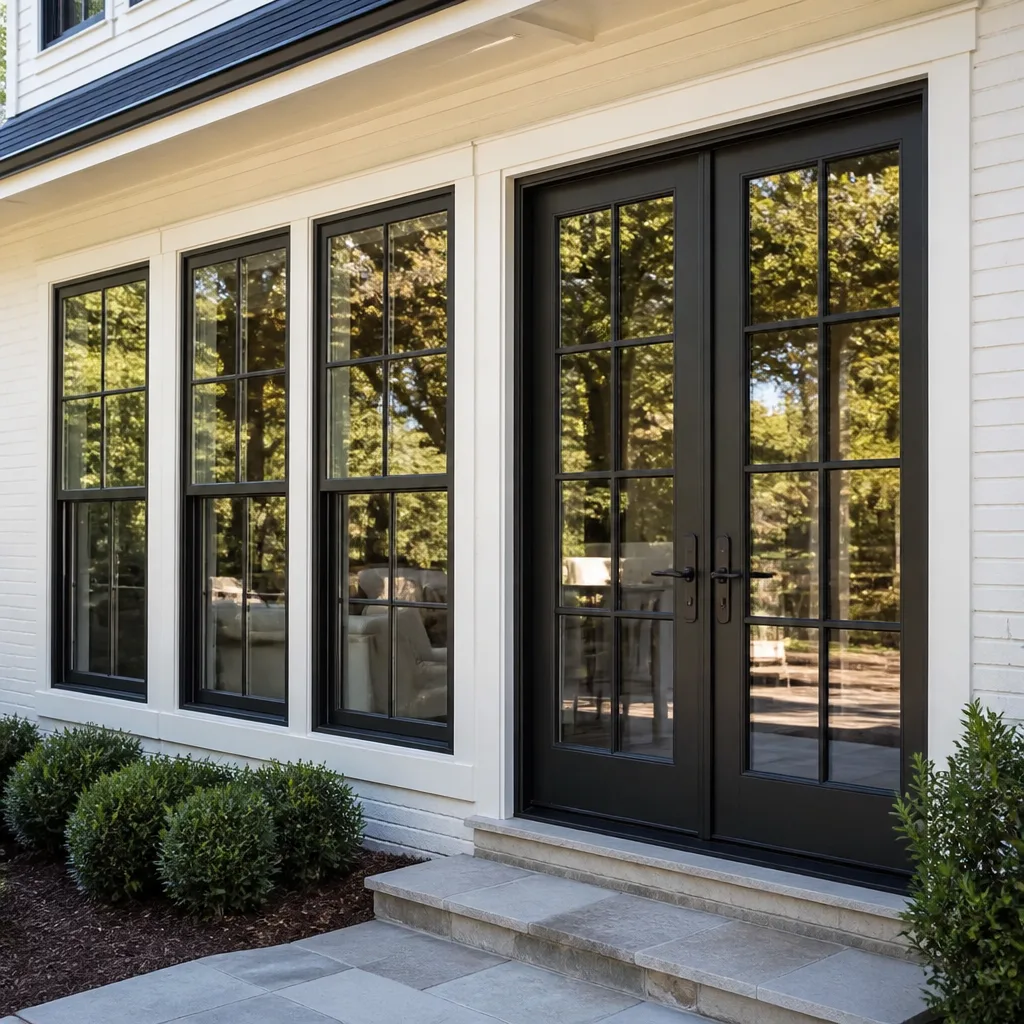
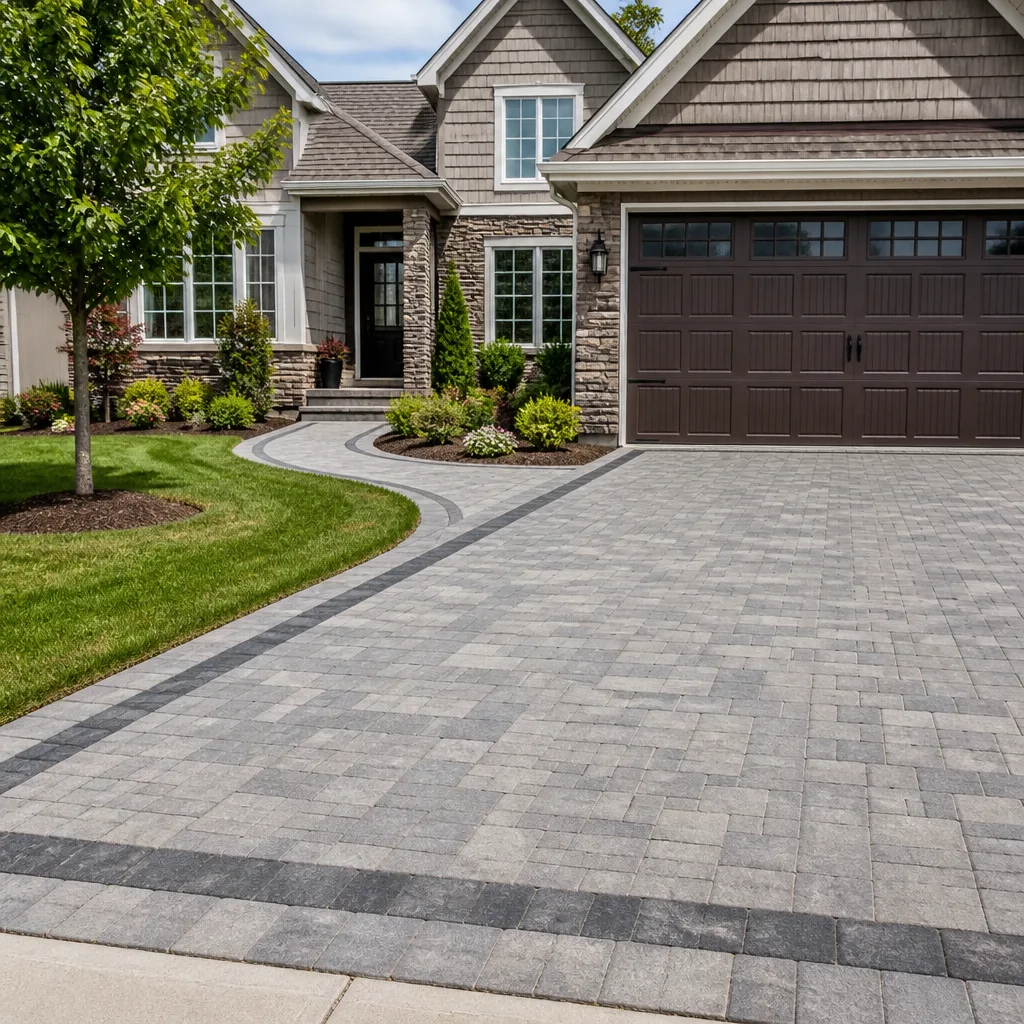

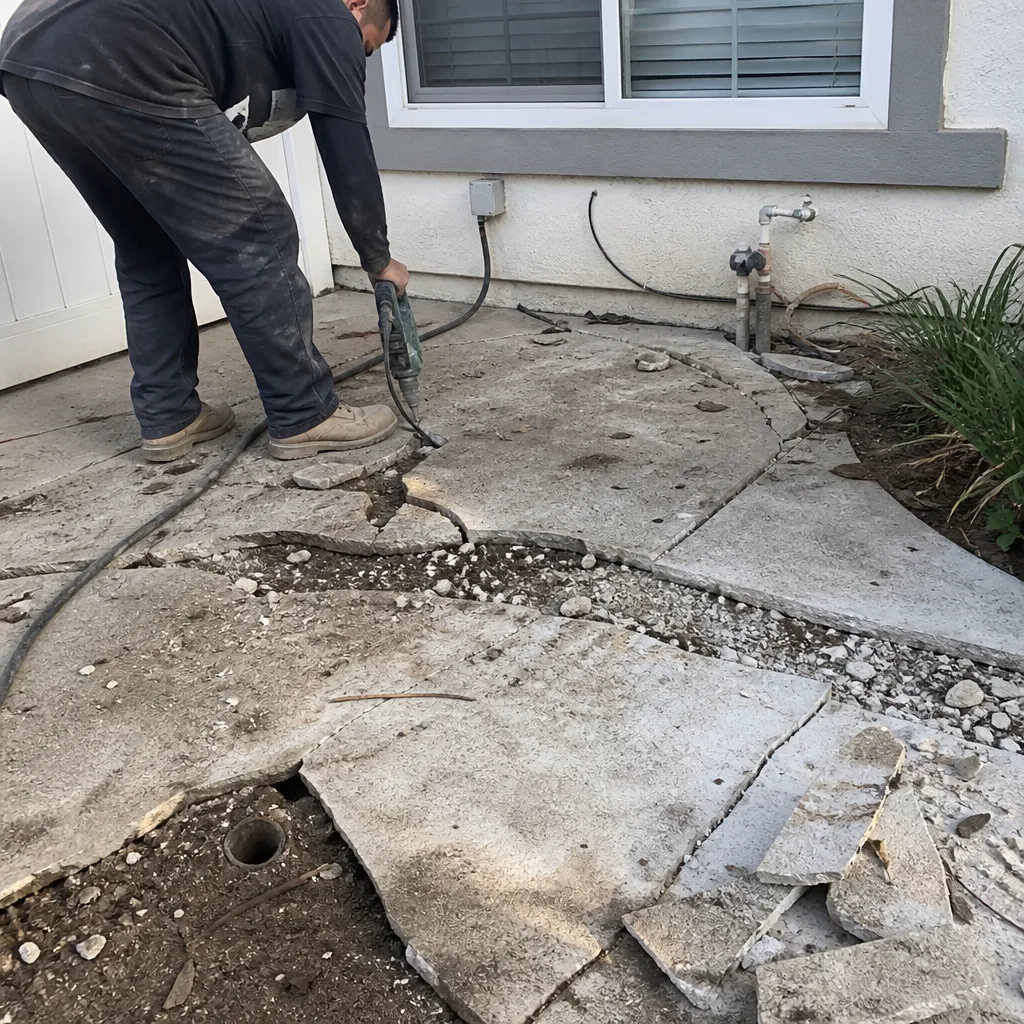 Before
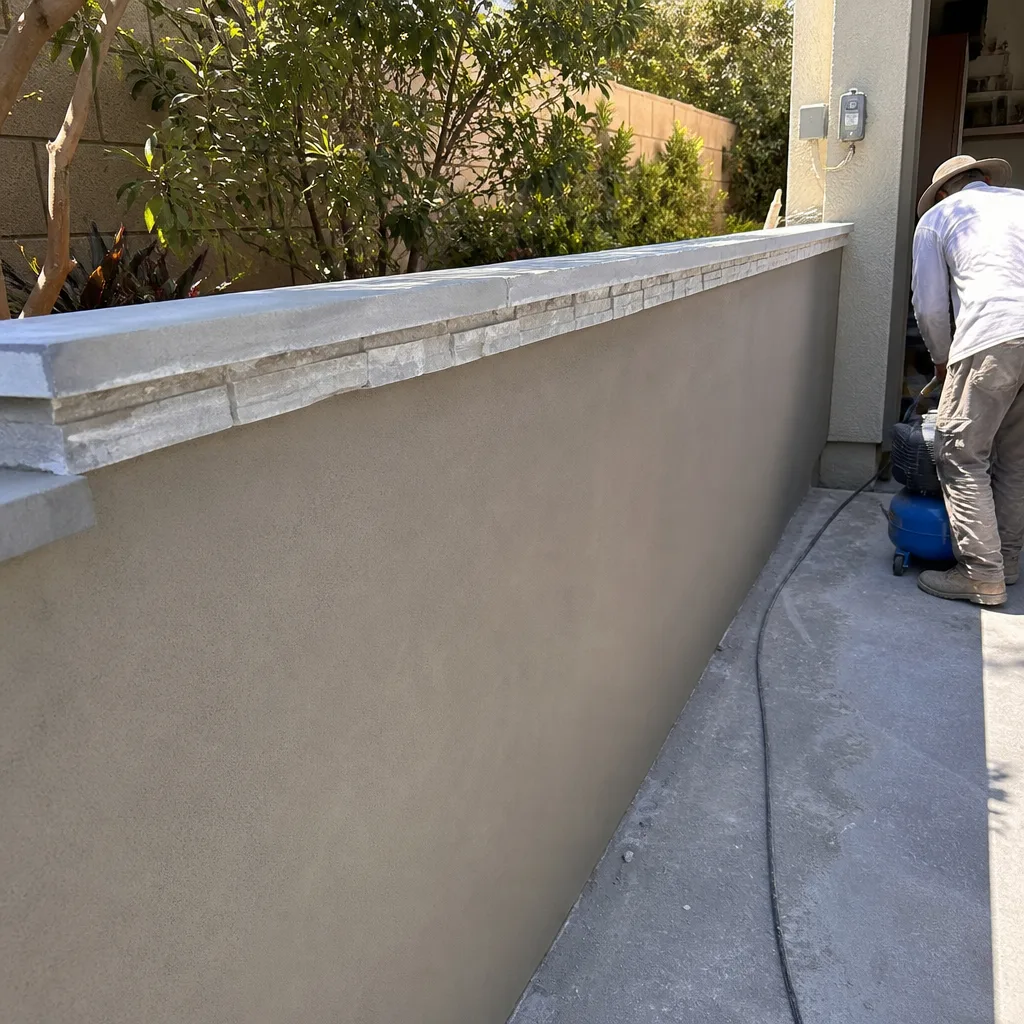 After
After Before
 After
After Before
 After
AfterDIY vs Professional Construction: The Huntington Beach Homeowner’s Decision Guide
A Huntington Beach homeowner who installs their own electrical panel upgrade without a permit hasn’t just skipped a bureaucratic step. They’ve created an unpermitted condition they’re legally required to disclose under California Civil Code 1102.3 at resale, and their homeowner’s insurance carrier can deny a fire claim if the unpermitted work is found to be a contributing factor. In this guide, we’ll show you exactly where the line falls between DIY projects that save money and DIY projects that create documented liability following your property title. For How to Hire a Construction Contractor in Huntington Beach: A Step-by-Step Guide, see our companion resource. You’ll learn which tasks are legally sound to handle yourself in Orange County, which require licensed subcontractors even under an owner-builder permit, and how the resale math actually works when appraisers review permitted versus unpermitted improvements.
Quick Answer
Most Huntington Beach homeowners can safely handle painting, cabinet hardware swaps, and LVP flooring installation themselves. Electrical panel work, load-bearing modifications, gas line connections, and structural sheathing require licensed professionals in California, and performing them without proper permits creates disclosure obligations at resale and insurance coverage gaps. The owner-builder permit allows personal occupancy work but still mandates licensed subcontractors for electrical, plumbing, and HVAC.
Table of Contents
- The California Owner-Builder Permit: What It Actually Covers
- Task-Level Decision Matrix: DIY-Viable vs. Professional-Required
- The True Cost of DIY Mistakes in Orange County
- How Insurance Carriers Treat Owner-Performed Work
- The Resale Math: Permitted vs. Unpermitted Improvements
- Huntington Beach-Specific Considerations: Climate, Codes, and Coastal Zones
- The Documentation Difference: What You Get With a Professional
- Common Mistakes to Avoid
- When to Call a Professional
- Frequently Asked Questions
 Before
 After
AfterThe California Owner-Builder Permit: What It Actually Covers
California allows homeowners to act as their own general contractor through the owner-builder permit process, but the privileges are narrower than most Huntington Beach residents assume. The permit requires a signed declaration that you intend to occupy the property personally for at least one year after completion. This isn’t a suggestion. It’s a binding condition, and violating it can trigger penalties from the California Contractors State License Board.
Here’s what the owner-builder permit actually permits:
- Acting as your own general contractor for structural work, framing, and finish carpentry on your primary residence
- Hiring and directing subcontractors for permitted trades, provided you pull the permits yourself
- Performing non-structural cosmetic work without permits where code allows
Here’s what it explicitly does not permit:
- Performing electrical work yourself beyond basic fixture swaps. Any panel work, new circuits, or service upgrades require a C-10 licensed electrician
- Plumbing work beyond simple faucet or toilet replacements. Water heater installations, gas line modifications, and sewer connections require a C-36 licensed plumber
- HVAC modifications, including ductwork changes or refrigerant line work, which require a C-20 licensed contractor
- Structural engineering calculations or seismic retrofit design without a licensed engineer’s stamp
The critical distinction: the owner-builder permit lets you coordinate licensed trades, not replace them. We’ve reviewed project files where Huntington Beach homeowners believed the owner-builder route eliminated subcontractor costs entirely. It doesn’t. The permit fee savings are real but modest, typically $500 to $1,200 on a kitchen remodel. The liability shift is substantial and permanent.
Under California Business and Professions Code Section 7044, owner-builders are treated as employers for workers’ compensation purposes. If your unlicensed helper injures themselves on your property, you may face personal liability that a licensed contractor’s insurance would have covered. This is the hidden cost that doesn’t appear in any DIY budget spreadsheet.
Task-Level Decision Matrix: DIY-Viable vs. Professional-Required
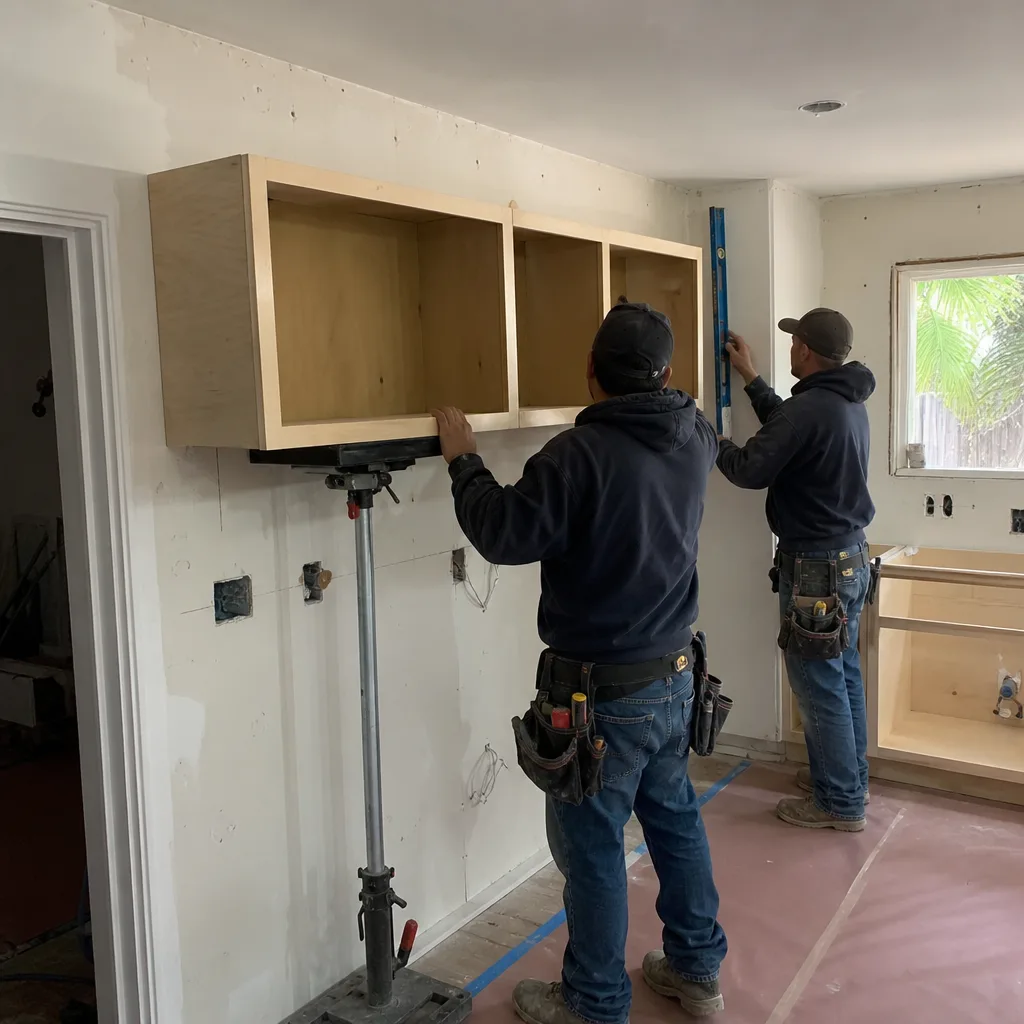
We’ve organized this by the actual tasks Huntington Beach homeowners encounter, with the specific reason for each verdict. This isn’t about capability. It’s about legal permissibility, insurance coverage, and the documentation trail that follows your property.
DIY-Viable Tasks
| Task | Why It’s Viable | Typical Cost Savings |
|---|---|---|
| Interior painting (walls, trim, ceilings) | No permit required; no structural or safety implications; easy to correct if quality is poor | $1,800-$3,400 per room vs. pro labor |
| Cabinet hardware installation | No permit; non-structural; cosmetic only; standard drill and template sufficient | $350-$600 for full kitchen |
| LVP (luxury vinyl plank) floating floor installation | No permit for floating systems; no adhesive or subfloor modification; reversible | $2,400-$4,200 for 400 sq ft |
| Simple fixture swaps (toilet, vanity faucet, pendant lights on existing boxes) | Like-for-like replacement on existing supply lines and electrical boxes; no new circuits or plumbing rough-in | $200-$500 per fixture in labor |
| Basic landscaping and hardscaping prep | No permit for grade work under 6 inches; sets up professional paver installation if desired later | $800-$1,500 for site prep |
Professional-Required Tasks
| Task | Why It Requires a Pro | Risk of DIY |
|---|---|---|
| Electrical panel upgrades or new circuits | C-10 license required by law; utility coordination; arc-fault and ground-fault requirements in 2023 NEC | Fire hazard; insurance denial; mandatory disclosure at resale; potential electrocution |
| Load-bearing wall modification | Structural engineering stamp required; permit and inspection mandatory; seismic considerations | Structural failure; permit history gap; appraisal liability; personal injury exposure |
| Gas line work (stove, fireplace, water heater) | C-36 license and gas pressure testing required; leak detection protocols; utility notification | Explosion risk; carbon monoxide; immediate insurance denial if leak causes damage |
| Roofing (more than 100 sq ft or structural sheathing) | C-39 license; wind uplift ratings for coastal zones; manufacturer warranty requires certified installer | Water intrusion; mold; voided manufacturer warranty; denied storm damage claims |
| Window and door replacement (new openings or enlargements) | Structural header calculations; Title 24 energy compliance; coastal salt-air corrosion requirements | Water intrusion; energy code violation; failed inspection; disclosure obligation |
| Concrete and paver work over 120 sq ft or with drainage implications | Grading and drainage compliance; slope requirements; impervious surface limits in some Huntington Beach zones | Property drainage damage; HOA violations; code enforcement action |
The pattern is consistent: tasks that don’t alter the building’s systems, structure, or energy performance are generally DIY-viable in Huntington Beach. Tasks that touch any of those domains trigger permit, license, and inspection requirements that are not optional.
The True Cost of DIY Mistakes in Orange County
We’ve compiled re-work cost ranges from publicly available contractor bid data and our own project files for Huntington Beach and surrounding Orange County markets. These represent what homeowners actually pay to correct DIY work that failed inspection, caused damage, or couldn’t be permitted retroactively.
| Trade | Common DIY Failure | Typical Re-Work Cost | Why It Costs More Than Original Pro Quote |
|---|---|---|---|
| Electrical | Non-compliant panel work; overloaded circuits; missing AFCI protection | $2,800-$6,500 | Demolition of finished surfaces to access wiring; utility re-inspection fees; engineer sign-off for major corrections |
| Plumbing | Improper venting; unpermitted water heater; cross-connections | $1,900-$5,200 | Water damage remediation; mold abatement; code upgrade triggers (current code applies to corrections, not grandfathered work) |
| Kitchen remodel | Unpermitted structural soffit removal; non-compliant range hood venting | $4,500-$12,000 | Re-engineering; re-permitting as alteration rather than repair; finished material replacement |
| Bathroom remodel | Improper shower pan membrane; unvented exhaust; inadequate waterproofing | $3,200-$8,700 | Substrate replacement; tile removal; adjacent room damage from slow leaks |
| Roofing | Incorrect flashing; inadequate nail pattern; skipped ice barrier (required in some Huntington Beach microclimates) | $5,500-$14,000 | Interior damage from undetected leaks; full section replacement; manufacturer warranty voidance |
| Windows/Doors | Improper header sizing; missing pan flashing; Title 24 non-compliance | $2,400-$7,800 | Structural correction; energy compliance documentation; potential HERS rating requirement |
The re-work premium averages 40-70% above what the original professional installation would have cost. This isn’t contractor markup. It’s the cost of undoing finished work, accessing concealed systems, and bringing previously hidden conditions into compliance with current code.
In our experience across 4,000-plus projects, the most expensive DIY mistake in Huntington Beach isn’t the failed work itself. It’s the discovery timeline. A homeowner who installs their own bathroom tile without proper waterproofing may not see damage for 18-24 months. By then, the subfloor, wall framing, and adjacent room materials require replacement. The $800 saved on labor becomes $6,000 in structural repair.
How Insurance Carriers Treat Owner-Performed Work
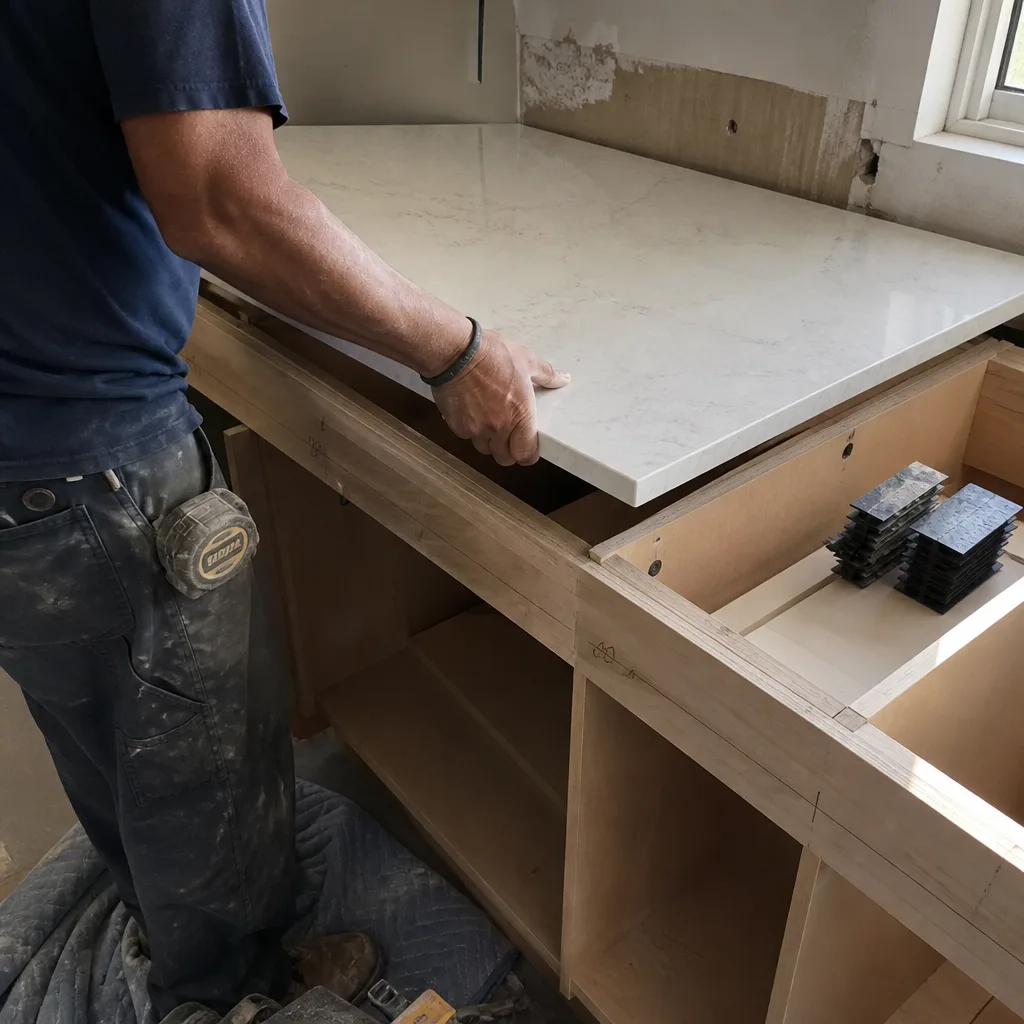
Your homeowner’s insurance policy contains language you’ve likely never read regarding “owner-performed improvements.” The distinction between maintenance and improvement matters critically when you file a claim.
Maintenance tasks (cleaning gutters, replacing caulk, painting) performed by the owner do not affect coverage. These are expected homeowner responsibilities.
Improvements (electrical upgrades, structural modifications, plumbing reroutes) performed without proper permits and licensed contractors can trigger policy exclusions. The specific language varies by carrier, but the pattern is consistent across major insurers writing in Orange County.
We’ve reviewed claim denials where the contributing factor was unpermitted owner work. The scenarios follow a pattern:
- Water damage claim following a bathroom leak. The carrier’s adjuster notes the shower valve was replaced by the owner without a permit. The carrier denies coverage for the bathroom and adjacent room damage, arguing the unpermitted plumbing work was a contributing cause.
- Fire claim originating in a kitchen. Investigation reveals the owner upgraded the range circuit without pulling a permit or using a licensed electrician. The carrier denies the claim under the “faulty workmanship” exclusion.
- Roof leak during a Santa Ana wind event. The carrier’s inspector finds the owner replaced flashing without proper integration. The claim is paid for storm damage but denied for the flashing area, with the owner responsible for that portion of repair.
The critical conversation happens at claim time, not project time. When the adjuster asks “Who performed this work?” and the answer is “I did,” the investigation shifts. The carrier will request permits, inspection records, and contractor licenses. Absent those documents, coverage becomes negotiable at best.
Professional work with proper documentation provides a clear paper trail: permit application, inspection sign-offs, contractor license verification, and often a certificate of insurance naming the homeowner as additional insured. This documentation doesn’t guarantee claim approval, but it eliminates the owner-performance variable from the adjuster’s analysis.
Under Clause 1 of The Haven Standard, Rowan Construction Group Huntington Beach home provides a written price before any work starts and a documented photo record on every visit. That documentation becomes part of your property’s permanent record, useful at sale time and at claim time.
The Resale Math: Permitted vs. Unpermitted Improvements
The financial impact of DIY versus professional work crystallizes at resale. Orange County MLS data and appraisal practices show a consistent pattern that Huntington Beach homeowners should understand before starting any project.
Permitted, professionally performed work typically appraises at or near the improvement cost, assuming market-appropriate materials and execution. A $45,000 kitchen remodel with full permits and inspections contributes approximately $40,000-$48,000 to appraised value in Huntington Beach’s market. The range reflects neighborhood comparables and finish quality.
Unpermitted work is treated differently. Appraisers have three options when they discover unpermitted improvements:
- Value at zero: The improvement is noted but assigned no value contribution. Common for unpermitted additions, ADUs, or structural modifications.
- Value conditionally: The improvement is valued only if the buyer accepts the condition and the seller provides indemnification. This typically reduces the pool of willing buyers and extends time on market.
- Treat as liability: The appraiser notes the unpermitted condition as a required disclosure item that may require correction before conventional financing is approved.
California Civil Code 1102.3 requires sellers to disclose “any room additions, structural modifications, or other alterations made without necessary permits.” This isn’t a recommendation. It’s a statutory disclosure with specific language. The disclosure form asks directly about unpermitted work, and false completion carries liability for the seller.
The buyer’s lender then becomes involved. FHA, VA, and many conventional loan programs require permit verification for structural, electrical, and plumbing work. Unpermitted conditions can trigger repair requirements before funding, with the seller typically bearing the cost under standard purchase contract terms.
We’ve consulted with Huntington Beach homeowners who faced $15,000-$30,000 in retroactive permitting and correction costs to close a sale, for work they’d performed themselves five years earlier to “save money.” The savings were illusory.
The documentation package from a professional contractor, permit history included, becomes a transferable asset. It demonstrates compliance, supports appraised value, and eliminates the disclosure friction that can derail transactions.
Huntington Beach-Specific Considerations: Climate, Codes, and Coastal Zones
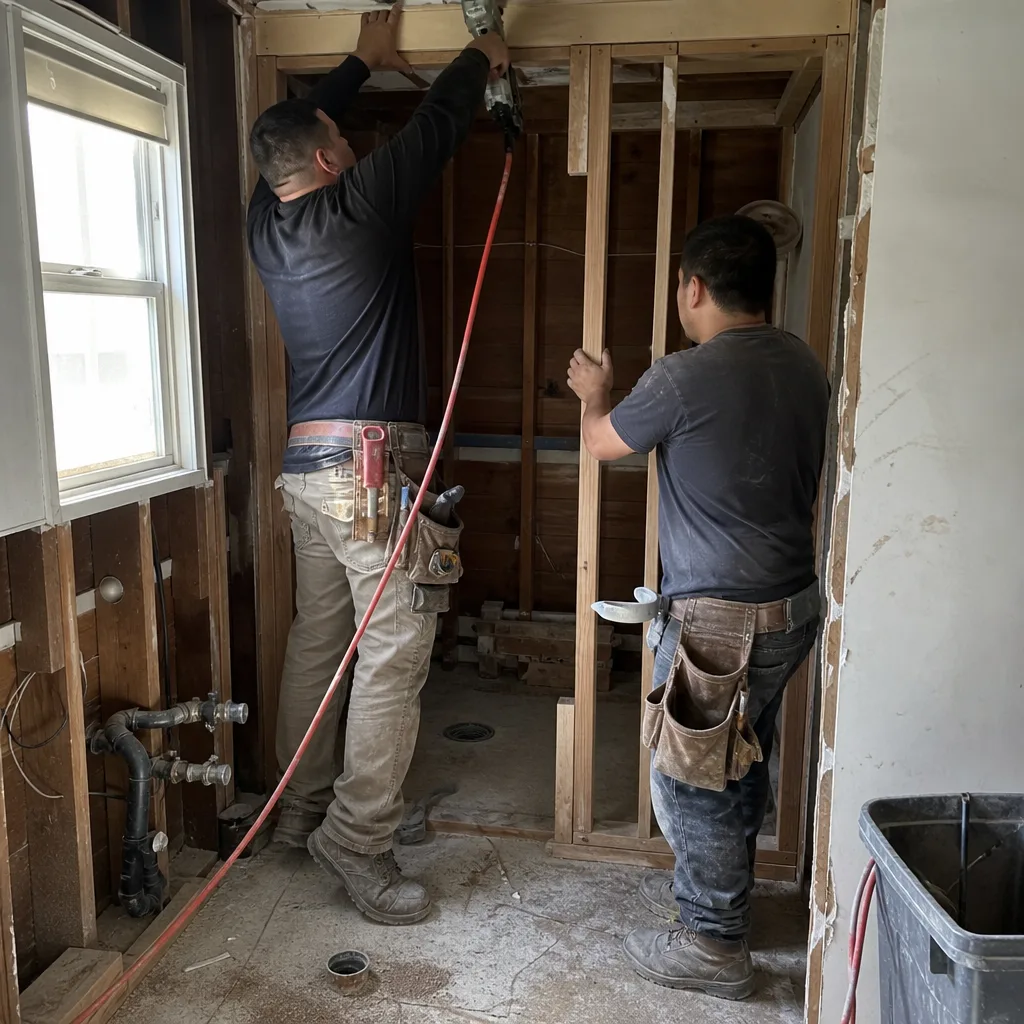
Huntington Beach’s location creates conditions that affect the DIY versus professional calculation in ways inland Orange County homeowners don’t face. Our Seasonal Construction Care for Huntington Beach: Year-Round Homeowner’s Guide details how to protect your property through every season.
Salt-air corrosion: The marine layer and onshore flow accelerate metal degradation. Fasteners, flashing, and hardware that perform adequately inland fail prematurely here. Professional contractors specify 316 stainless steel or hot-dip galvanized fasteners for exterior work, not the standard zinc-plated hardware available at retail. We’ve replaced deck hardware that failed in 3-4 years because the owner used big-box fasteners rated for interior use.
Wind exposure: Huntington Beach’s coastal wind zone requires higher fastening schedules for roofing and siding. The 2022 California Building Code, amended for Orange County coastal areas, specifies enhanced uplift resistance. DIY roofing that meets inland standards may fail inspection here.
Foundation conditions: Much of Huntington Beach is built on former marshland with high water tables and potential liquefaction zones. Structural modifications, even seemingly minor ones, may require geotechnical review that an owner-builder permit doesn’t address. We’ve seen foundation retrofits triggered by unpermitted additions in the Home Additions in Huntington Beach zone where the owner didn’t anticipate soil conditions.
HOA density: Huntington Beach has numerous planned communities with active HOAs. Many require architectural review and licensed contractor verification before work begins. DIY work that complies with city code may still violate CC&Rs, triggering enforcement action separate from any building department concerns.
Energy code stringency: Orange County enforces Title 24 energy standards strictly. Window and door replacements require NFRC-rated products and proper installation to meet performance standards. Owner-installed windows without proper flashing integration fail both inspection and the blower-door testing now required for many alterations.
These factors don’t eliminate DIY viability. They shift the threshold. A floating LVP floor in a Huntington Beach interior bedroom faces none of these constraints. A window replacement facing Pacific Coast Highway faces all of them.
The Documentation Difference: What You Get With a Professional
The tangible deliverables separate professional work from DIY in ways that matter beyond the immediate project. Here’s what a documented professional engagement provides, using our own standards as reference.
Under The Haven Standard, every Kitchen Remodeling in Huntington Beach project includes:
- A written flat price with line-item scope before any work starts, not an estimate range that shifts
- A signed change order for any modification, preventing the “while we’re here” cost creep that derails budgets
- A documented photo record on every visit, showing pre-existing conditions, work-in-progress, and completed state
- Permit application and inspection scheduling, with permit cards posted and signed off
- Manufacturer warranty registration for specified materials, brands like KraftMaid cabinets or Cambria countertops
- The 365-Day Done Right Promise: if it’s not done right, we make it right, backed by printed terms, not verbal assurance
This documentation serves multiple purposes. It supports insurance claims. It satisfies resale disclosure requirements. It transfers to the next owner. It provides a baseline for future maintenance and repair.
DIY work generates none of this unless the homeowner deliberately creates it, and most don’t. The permit research, inspection scheduling, photo documentation, and warranty registration are overhead costs that erode the perceived savings of self-performance.
Our Free Second Opinion on any written estimate also applies here. If you’ve received a DIY cost projection from a friend, relative, or online calculator, bring it to us. We’ll review it line by line against actual material costs, permit fees, and the documentation requirements you’re assuming, at no charge.
Common Mistakes to Avoid
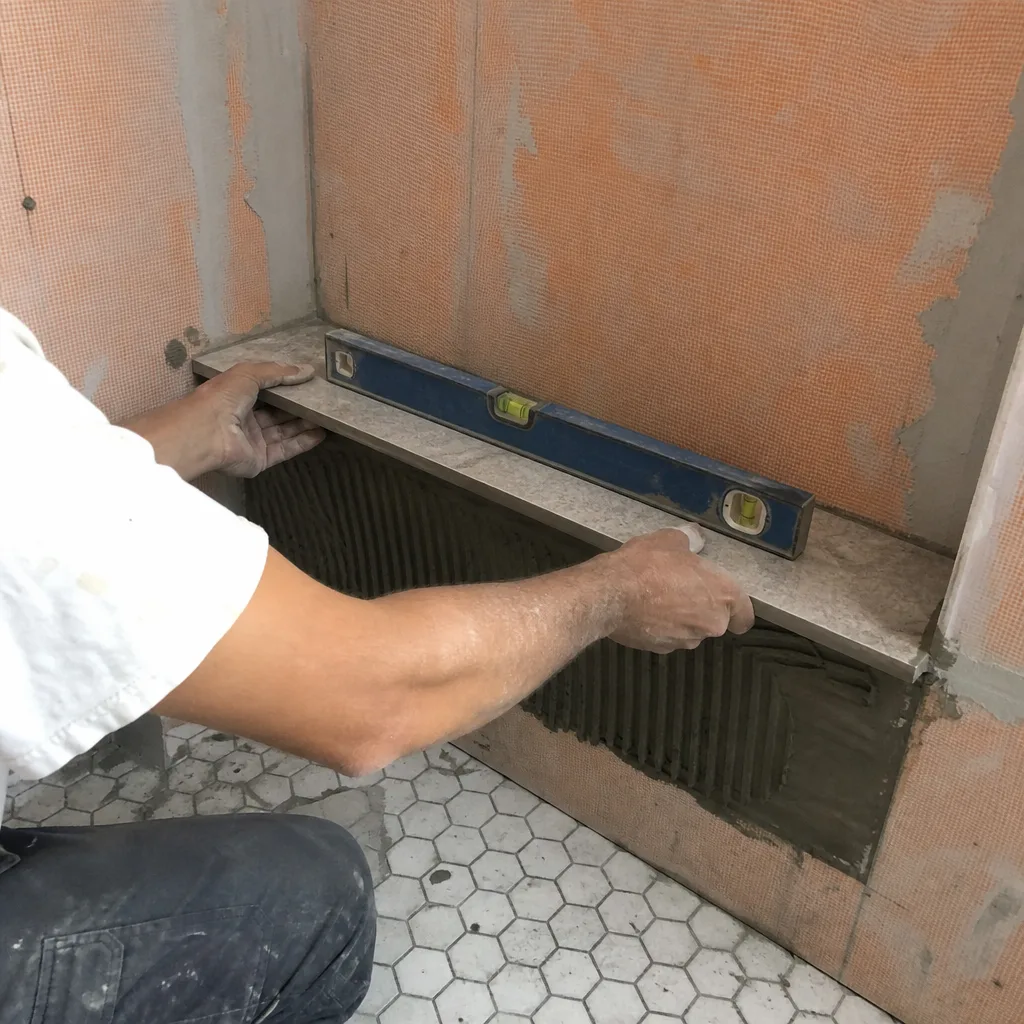
- Assuming the owner-builder permit covers all trades. It doesn’t. Electrical, plumbing, and HVAC still require licensed subcontractors, and hiring unlicensed workers for these trades exposes you to CSLB penalties and personal liability for injuries.
- Believing “like-for-like” replacements never need permits. In Huntington Beach, replacing a water heater requires a permit even with the same model. The permit triggers code compliance review for seismic strapping and pan requirements that may have changed since the original installation.
- Using online cost calculators without Orange County adjustments. National averages for project costs typically understate California permit fees by 40-60% and ignore Title 24 energy compliance costs that apply here.
- Skipping the resale disclosure research. Many homeowners perform unpermitted work believing they’ll permit it “later” or that it’s “not a big deal.” California’s disclosure requirements are specific, and the lookback period is effectively unlimited for structural and safety-related work.
- Confusing maintenance with improvement for insurance purposes. Re-caulking a tub is maintenance. Replacing the surround with a new waterproofing system is improvement. The insurance treatment differs dramatically if the work is owner-performed and unpermitted.
- Underestimating coastal material specifications. Standard-grade materials and fasteners that perform adequately inland fail prematurely in Huntington Beach’s salt-air environment. The replacement cycle is shorter, and the “savings” evaporate.
- Failing to verify HOA requirements before starting. Huntington Beach HOAs can require licensed contractor verification, specific material approvals, and post-completion inspections that duplicate city requirements. DIY work that satisfies the city may still trigger HOA enforcement.
When to Call a Professional
Call a licensed contractor when your project involves structural modification, electrical or plumbing systems, gas lines, roofing, window and door replacement with new or enlarged openings, or any work requiring a building permit. The threshold isn’t your skill level. It’s the legal, insurance, and documentation framework that attaches to the work.
For Huntington Beach homeowners considering Bathroom Remodeling in Huntington Beach, Roofing in Huntington Beach, or any project where the permit, inspection, and warranty documentation matters, Rowan Construction Group Huntington Beach offers free estimates. We’ll provide a written flat price with line-item scope before any work starts, every time. Call (657) 288-3368 to schedule yours.
Frequently Asked Questions
A professional kitchen remodel in Huntington Beach typically ranges from $35,000 for a mid-range update to $75,000-plus for full custom work with structural modification, with the written price delivered before work starts. DIY material costs for the same scope might appear to save $8,000-$15,000 in labor, but this rarely accounts for tool acquisition, permit fees, inspection re-work, and the documentation gap that affects resale value. Call (657) 288-3368 for an exact quote on your specific project - estimates are free.
Yes, though we typically recommend against it. When you act as owner-builder, you assume liability for workers’ compensation, subcontractor verification, and inspection scheduling that we normally manage. Under The Haven Standard, we prefer to pull permits in our name so the documentation trail, insurance coverage, and warranty obligations remain clear and transferable. Call (657) 288-3368 to discuss your specific situation.
It depends on whether the damage resulted from a covered peril or from faulty workmanship. If your DIY plumbing work is found to be the proximate cause, most carriers will deny or limit coverage under the workmanship exclusion. Professional work with permit history and inspection sign-offs eliminates the owner-performance variable from the adjuster’s analysis. For bathroom work that affects plumbing, we recommend professional installation with full documentation.
Appraisers review permit history from the city building department, compare stated square footage to tax records, and examine visible work quality. In Huntington Beach, discrepancies between permitted and actual square footage trigger deeper investigation. Unpermitted additions, converted garages, and owner-built ADUs are the most commonly discovered conditions, and they’re typically valued at zero or treated as liabilities requiring correction.
The Haven Standard is a documented system with specific clauses, not a marketing phrase. Clause 1 requires a written price before any work starts. The 365-Day Done Right Promise is printed on every page with reference to a terms page, not an asterisk. Every visit includes a documented photo record as standard. This system was the reason Haven acquired Rowan in the first place, and it’s the administrative discipline that has kept projects within a few percent of the agreed cost across 4,000-plus jobs since 2007.
You can install replacement windows in existing openings without structural modification, but the installation quality determines performance more than the product grade. Proper pan flashing, header integration, and Title 24 compliance documentation are required for permit approval. We’ve re-installed owner-purchased ES Windows and ECO Window Systems where the original installation missed critical waterproofing details, causing frame rot in 2-3 years. The product was excellent; the installation was not. For window work, we recommend professional installation with full documentation.
Check the CSLB website at cslb.ca.gov using the contractor’s license number. Verify the classification matches the work being performed (B-General for whole-house projects, C-36 for plumbing, C-10 for electrical, etc.). Confirm workers’ compensation coverage is current if the contractor has employees. Rowan Construction Group maintains active licensing and insurance, with documentation available on request. The license number appears on every proposal and contract we issue.
The Bottom Line
The DIY versus professional decision in Huntington Beach is a documentation and liability calculation, not a skill assessment. Painting, hardware, and floating floors are genuinely cost-effective DIY projects. Electrical, structural, plumbing, and roofing work create permanent records that affect insurance coverage, resale value, and legal disclosure obligations. The owner-builder permit narrows but doesn’t eliminate these requirements. Professional work with proper permits generates transferable documentation that protects your investment across the ownership cycle. The apparent savings of DIY evaporate when re-work, retroactive permitting, or claim denial occurs. Get the written price, get the permit, get the documentation.
Written by Grant Rowan, Owner at Rowan Construction Group Huntington Beach, serving Huntington Beach since 2007.