
Last updated September 24, 2026
Free written scope consultation - allowances, timeline, and change-order rules on paper before a single trade is scheduled
 Before
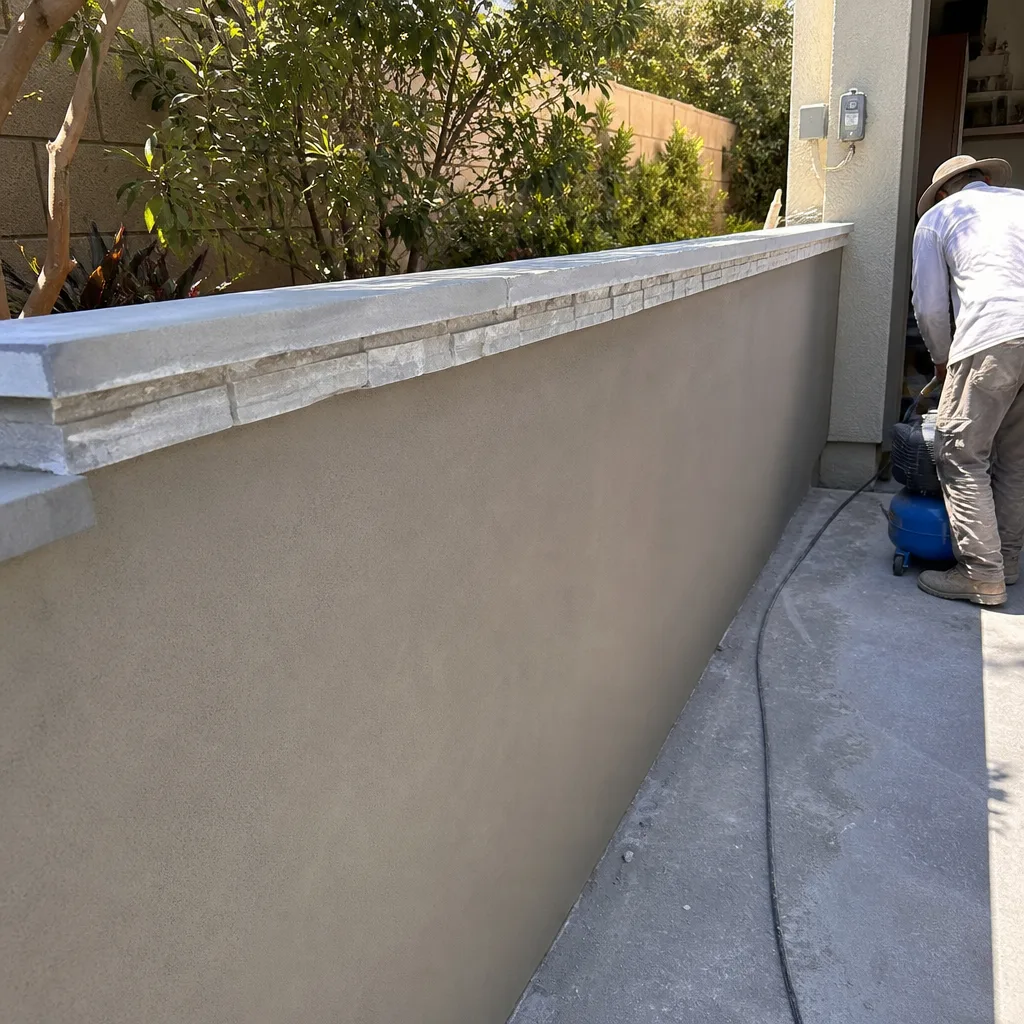 After
After Before
 After
After Before
 After
AfterThe Complete Guide to Construction in Huntington Beach
The City of Huntington Beach sits within the California Coastal Commission’s jurisdiction for properties near Pacific Coast Highway, which means a bathroom remodel on the wrong block can require a Coastal Development Permit that adds 60-90 days to a timeline most contractors quote at four weeks. In our experience across 4,000-plus projects, the homeowners who finish on time and within a few percent of their agreed price are the ones who map these variables before breaking ground, not after. This guide covers the permit layers, material specifications, license verification steps, and documentation standards that govern residential construction in Huntington Beach - so you can evaluate any contractor’s proposal against the actual constraints of building here.
Quick Answer
Construction in Huntington Beach requires navigating Coastal Commission jurisdiction for properties west of Pacific Coast Highway, salt-air material specifications within roughly one mile of the coast, and City of Huntington Beach permit timelines that range from 2-4 weeks for standard projects to 10-14 weeks for work requiring coastal review. A properly documented project includes a CSLB-verified contractor license, a written scope with itemized pricing, signed change orders for any modification, and a final inspection record from the Building Division at 2000 Main Street.
Table of Contents
- Which Projects Need a Coastal Development Permit in Huntington Beach
- Salt-Air Material Specifications: What Changes Within One Mile of the Coast
- The Seven Trade Categories and California License Requirements
- Realistic Permit-to-Final-Inspection Timelines in Huntington Beach
- How to Read a Contractor’s Documentation Trail
- Material Selection: Brands and Specifications That Hold Up Here
- Huntington Beach Neighborhood-Specific Construction Factors
- Common Mistakes to Avoid
- When to Call a Professional
- Frequently Asked Questions
 Before
 After
AfterWhich Projects Need a Coastal Development Permit in Huntington Beach
Not every project in Huntington Beach faces coastal review, but the ones that do often catch homeowners by surprise. The dividing line is the Coastal Commission’s jurisdictional boundary, which generally follows Pacific Coast Highway but includes specific parcel-level exceptions that can only be confirmed through the City’s Planning Division.
Here’s the address-level test you can run before calling a contractor: enter your address into the California Coastal Commission’s online mapping tool and the City of Huntington Beach’s property information portal. If your parcel falls within the Coastal Zone, any new construction, substantial remodel, or addition may require a Coastal Development Permit (CDP) in addition to standard building permits.
Projects that typically trigger CDP requirements in Huntington Beach include:
- Any ground-up construction or home addition west of Pacific Coast Highway
- Second-story additions visible from the beach or public access ways
- Projects that alter existing setbacks, heights, or lot coverage in the Coastal Zone
- Deck, patio, or hardscape installations that expand impervious surfaces near the shoreline
- Demolition of structures over 50 years old in certain districts
The CDP process runs parallel to city permitting and adds 60-90 days minimum. The Coastal Commission’s Orange Coast District office reviews applications for completeness, publishes public notice, and may require environmental review under the California Environmental Quality Act. We’ve seen homeowners in the Downtown Huntington Beach area receive CDP approval in eight weeks, while projects near the Bolsa Chica Ecological Reserve required additional biological review that extended the timeline to five months.
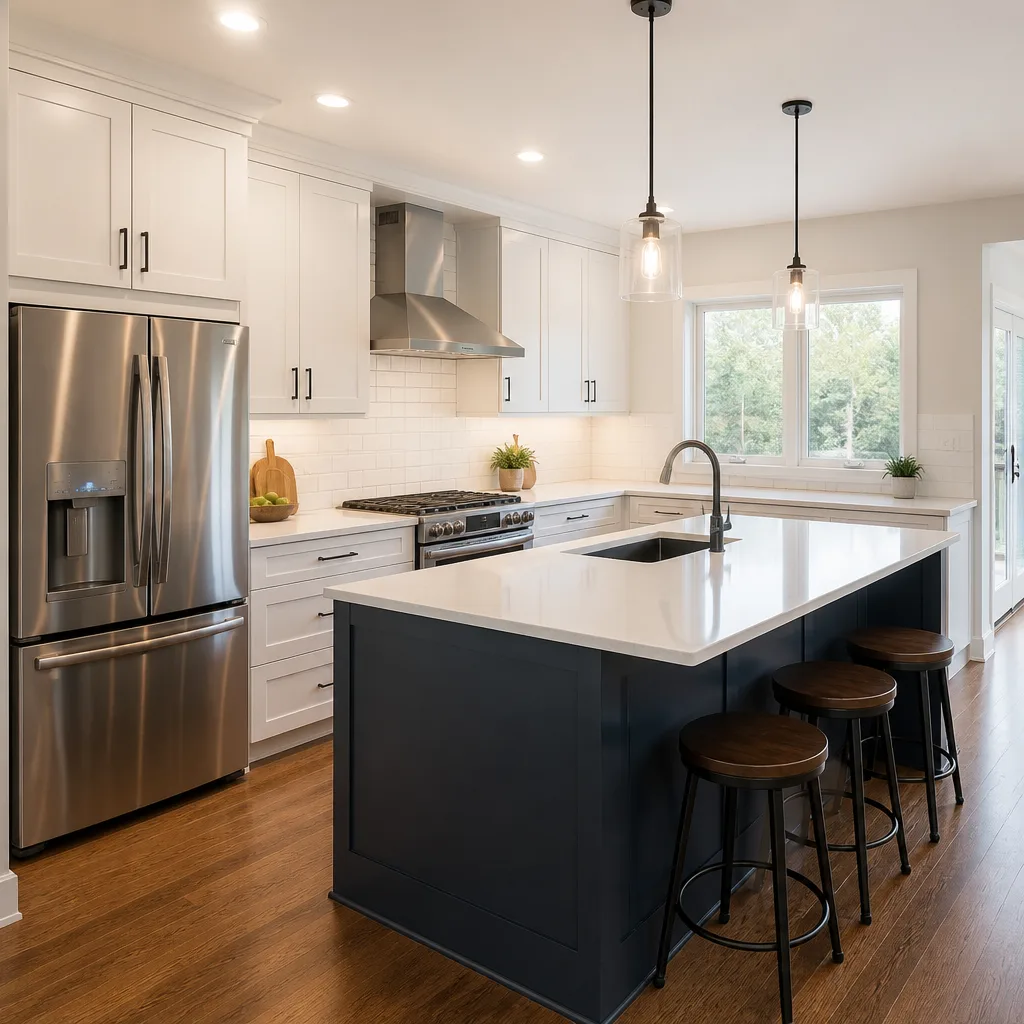
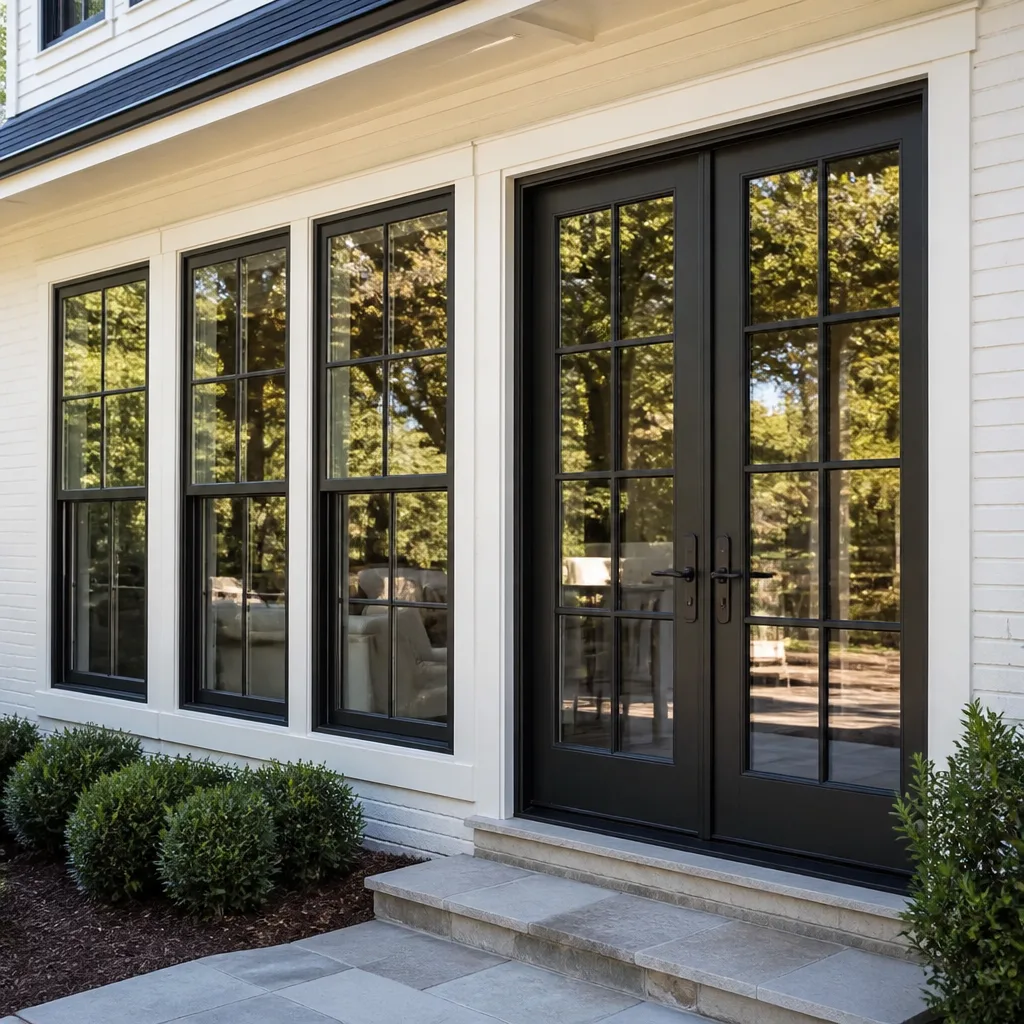
Standard building permits, issued by the City of Huntington Beach Building Division at 2000 Main Street, do not require coastal review. These cover interior remodels, roofing replacement (like-for-like), window and door replacement without envelope changes, and most kitchen remodeling in Huntington Beach that stays within existing footprints. The critical distinction: if your project changes the exterior envelope, adds square footage, or is visible from public coastal access, verify CDP status before accepting any contractor’s timeline.
Salt-Air Material Specifications: What Changes Within One Mile of the Coast
Salt-air corrosion in Huntington Beach accelerates material degradation by a factor that surprises most inland transplants. The chloride deposition rate within one mile of the Pacific averages 3-5 times higher than in Orange County’s interior valleys, according to ASTM B117 accelerated testing standards. This isn’t an aesthetic concern; it’s a structural one that affects fastener integrity, lumber decay rates, and metal flashing lifespan.
Galvanized fasteners, the standard specification in inland construction, carry a G90 coating (0.90 ounces of zinc per square foot). Within one mile of the Huntington Beach coast, we specify hot-dip galvanized fasteners meeting ASTM A153, or better, stainless steel 316 connectors for structural hardware. The price difference is real - stainless steel joist hangers run roughly 3-4 times the cost of galvanized equivalents - but the alternative is corrosion failure at 7-12 years instead of 25-plus.
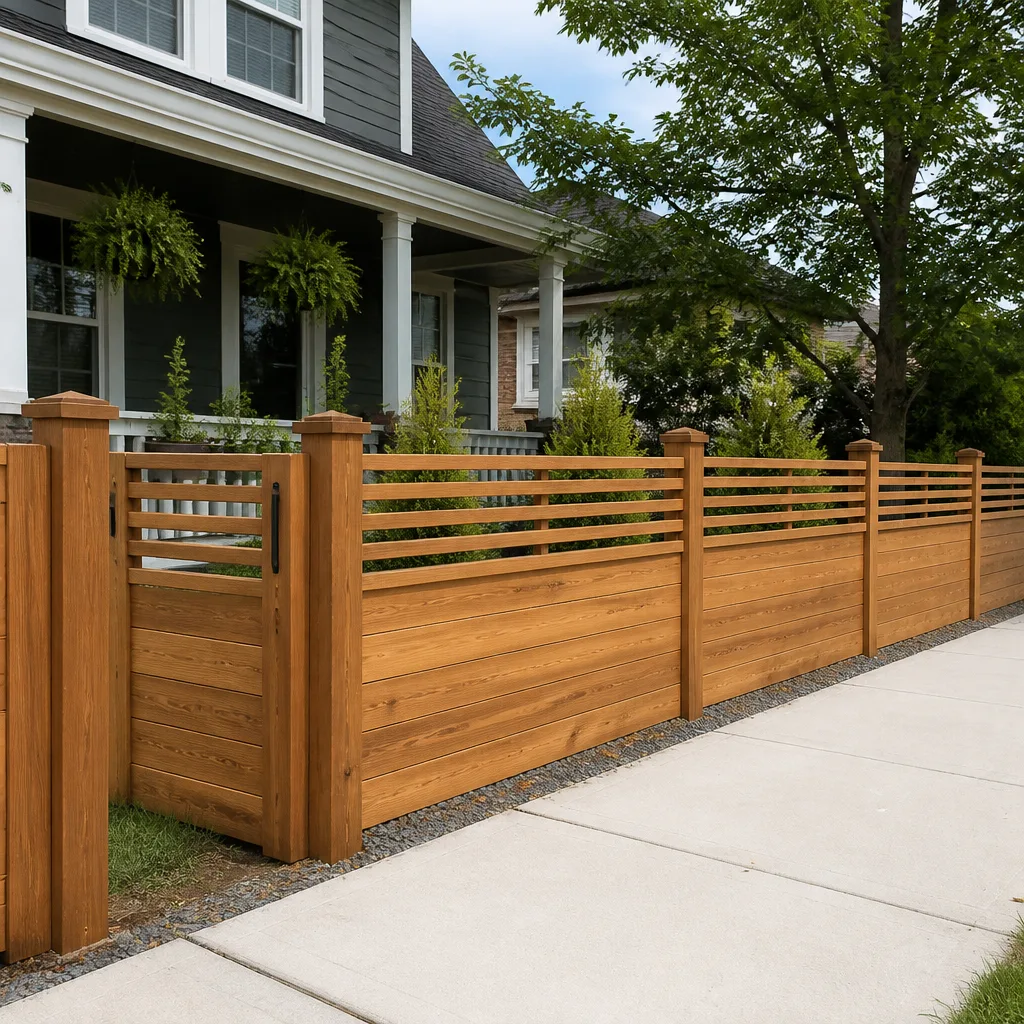
Marine-grade lumber ratings matter for exposed applications. Pressure-treated lumber marked “Above Ground” (UC3B) fails prematurely in coastal fence posts, deck ledgers, and exterior trim. We specify Ground Contact (UC4A) or higher for any lumber within 18 inches of finished grade in Huntington Beach, and UC4B for posts set in concrete at grade. The ink stamp on the board is the verification - not the supplier’s word.
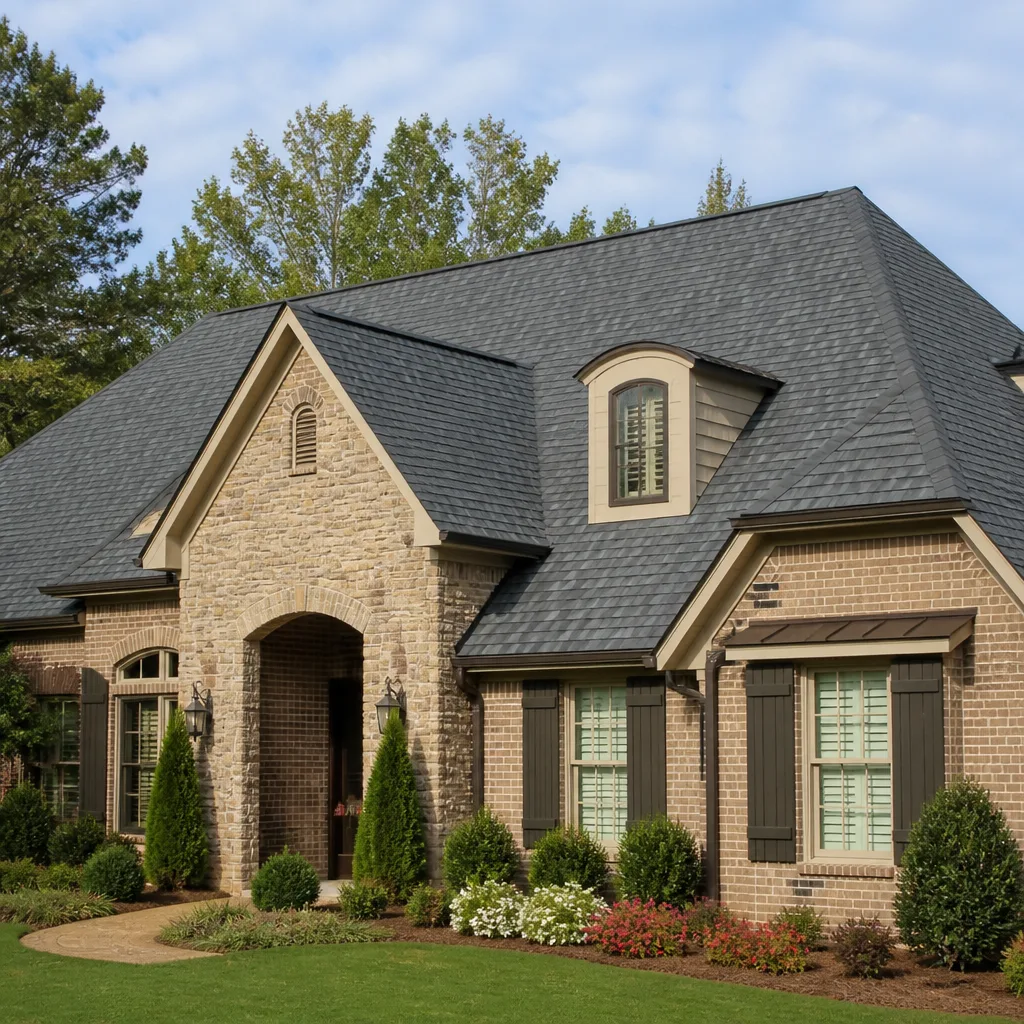
Roofing materials face similar recalibration. Standard galvanized steel flashing corrodes through in 8-15 years in coastal Huntington Beach. We specify copper, lead-coated copper, or 24-gauge Kynar-painted aluminum for valleys, step flashing, and wall transitions. On roofing in Huntington Beach, shingle selection also shifts: Atlas StormMaster Slate and Tamko Heritage IR both carry wind ratings to 130 mph and algae resistance warranties that address the moisture cycling common here. Generic three-tab shingles without these specifications show premature granule loss within five years in the Sunset Beach and Surfside areas we’ve worked.
For concrete and masonry, salt-air exposure drives alkali-silica reaction and rebar corrosion. We specify Type II/V Portland cement with fly ash or slag replacement for any exposed concrete in Huntington Beach, and epoxy-coated rebar for footings and grade beams within 1,500 feet of the mean high tide line. These are not upgrades; they are the specifications that produce the 25-year service life the written warranty implies.
The Seven Trade Categories and California License Requirements
California law requires separate licensing for trade work beyond a general contractor’s B-license scope. A general contractor can oversee the project, but specific trades must be performed by licensees in those classifications, or by the general contractor’s employees working under their direct supervision. Understanding this structure protects you from unlicensed subcontracting, which voids most workmanship warranties and exposes the homeowner to liability.
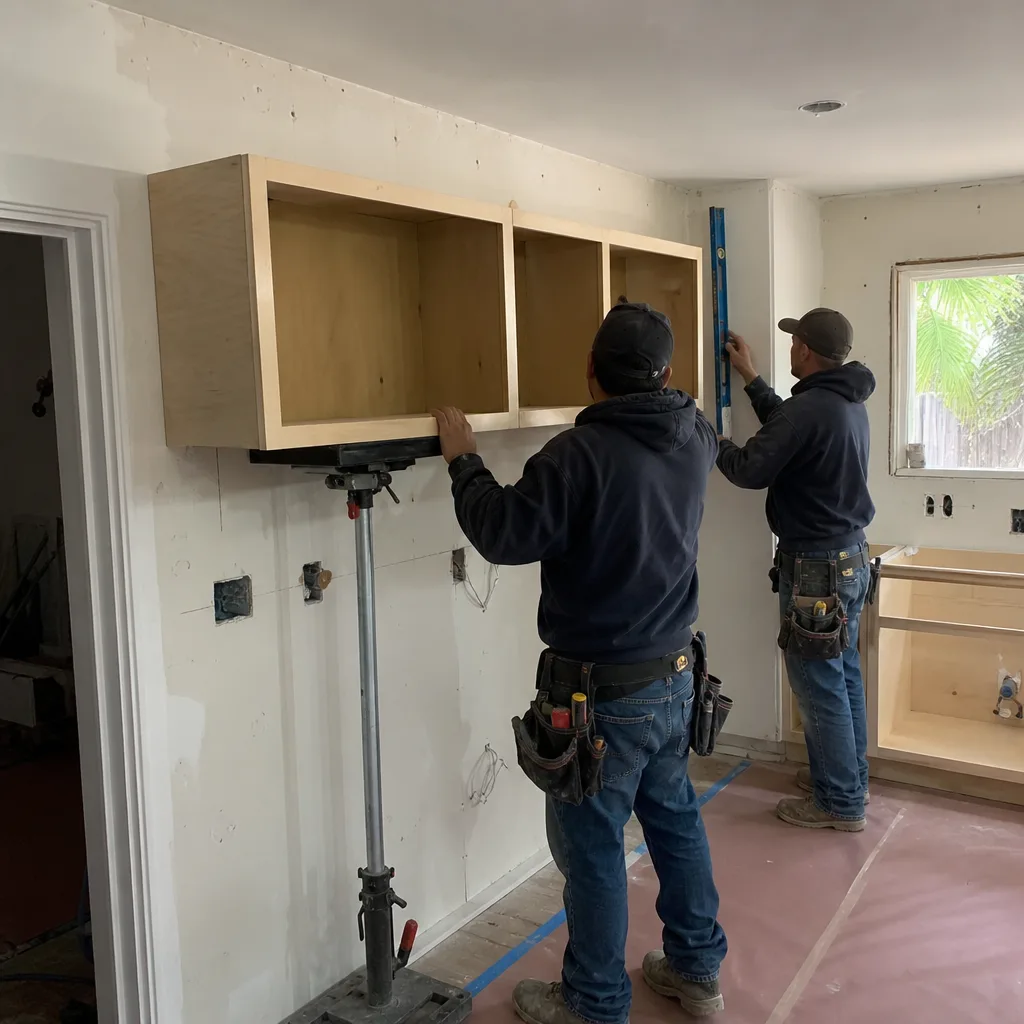
- Framing and rough carpentry: Covered under the B-General Building license for structural work. Non-structural finish carpentry (trim, cabinetry, built-ins) does not require a separate license if performed by the general contractor’s crew.
- Electrical: Requires a C-10 Electrical Contractor license. Any panel upgrade, circuit addition, or wiring modification in Huntington Beach must be performed by a C-10 licensee and inspected by the City of Huntington Beach electrical inspector. The CSLB license lookup tool verifies active status and bond.
- Plumbing: Requires a C-36 Plumbing Contractor license. Water heater replacement, repiping, fixture relocation, and gas line work all fall under this classification. In Huntington Beach, gas line pressure testing requires a separate inspection appointment with the Building Division.
- HVAC: Requires a C-20 Warm-Air Heating, Ventilating, and Air-Conditioning license. Ductwork modification, equipment replacement, and thermostat wiring beyond low-voltage all trigger this requirement. The South Coast Air Quality Management District adds permitting layers for gas-fired equipment in coastal Orange County.
- Roofing: Requires a C-39 Roofing Contractor license for projects exceeding $500 in labor and materials. The C-39 classification is specific; a B-General contractor cannot self-perform roofing without this endorsement. Roofing in Huntington Beach also requires compliance with Title 24 cool roof requirements for certain slope and climate zones.
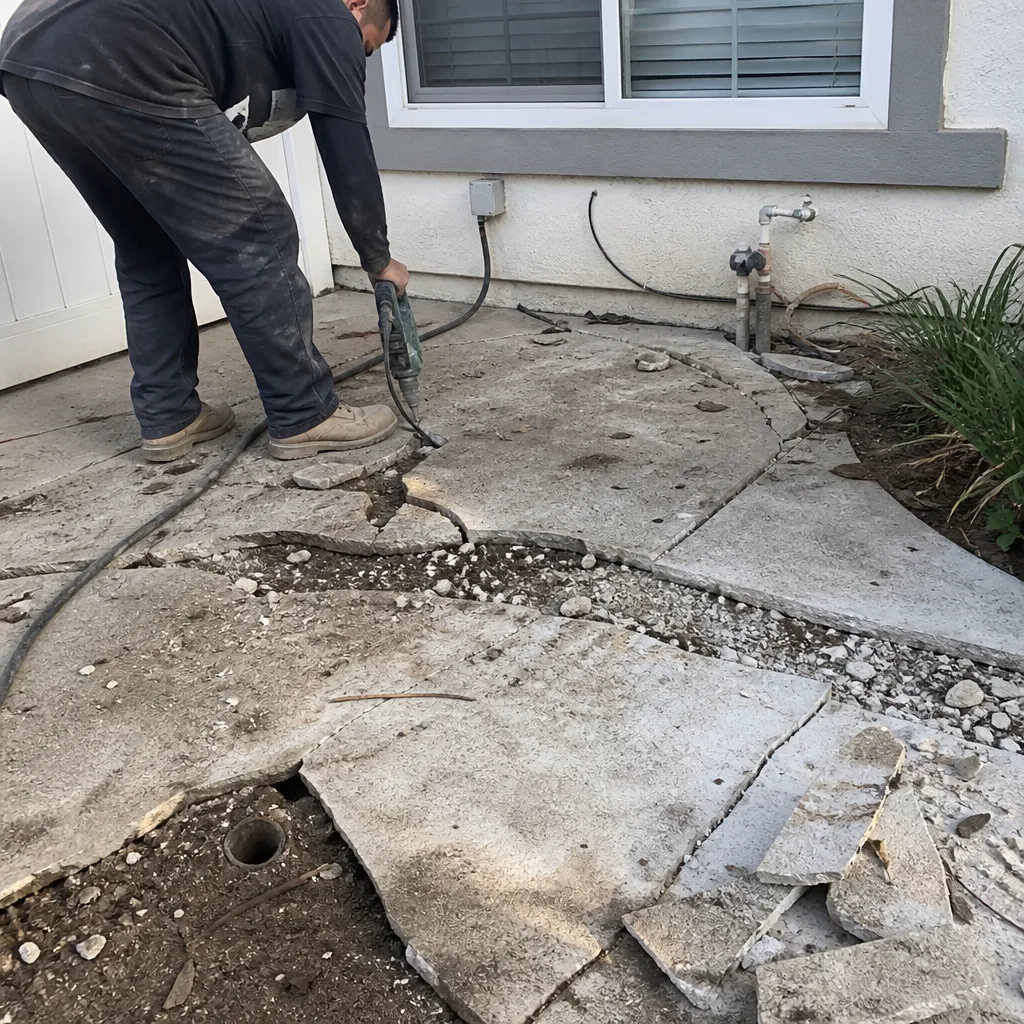
- Concrete and masonry: Requires a C-8 Concrete Contractor license for structural concrete, foundations, and flatwork over $500. Decorative concrete, pavers, and non-structural hardscape can be performed under a B-General or C-29 Landscaping license depending on scope.
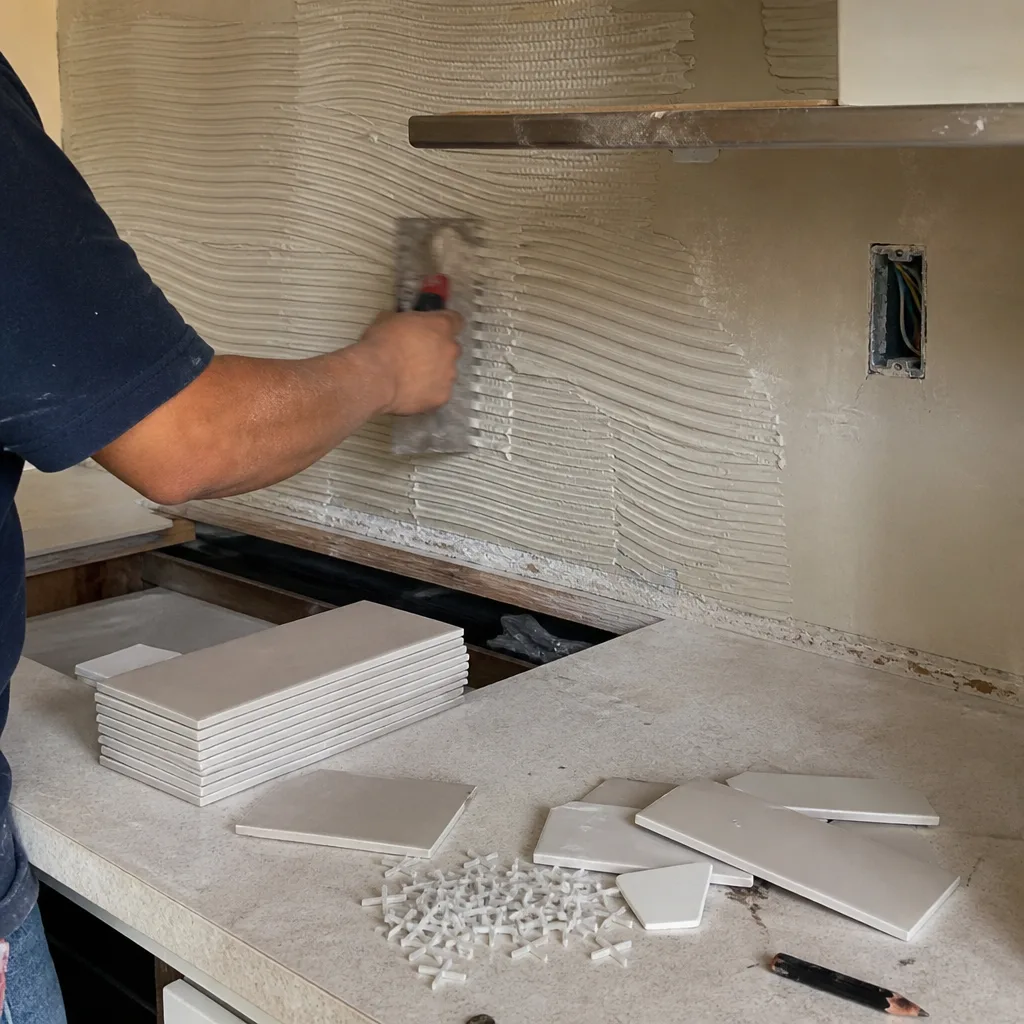
- Finish carpentry and flooring: Tile installation over $500 requires a C-54 Tile Contractor license in California. Hardwood, laminate, and carpet installation do not require a specific trade license if performed by the general contractor’s crew or a C-15 Flooring Contractor.
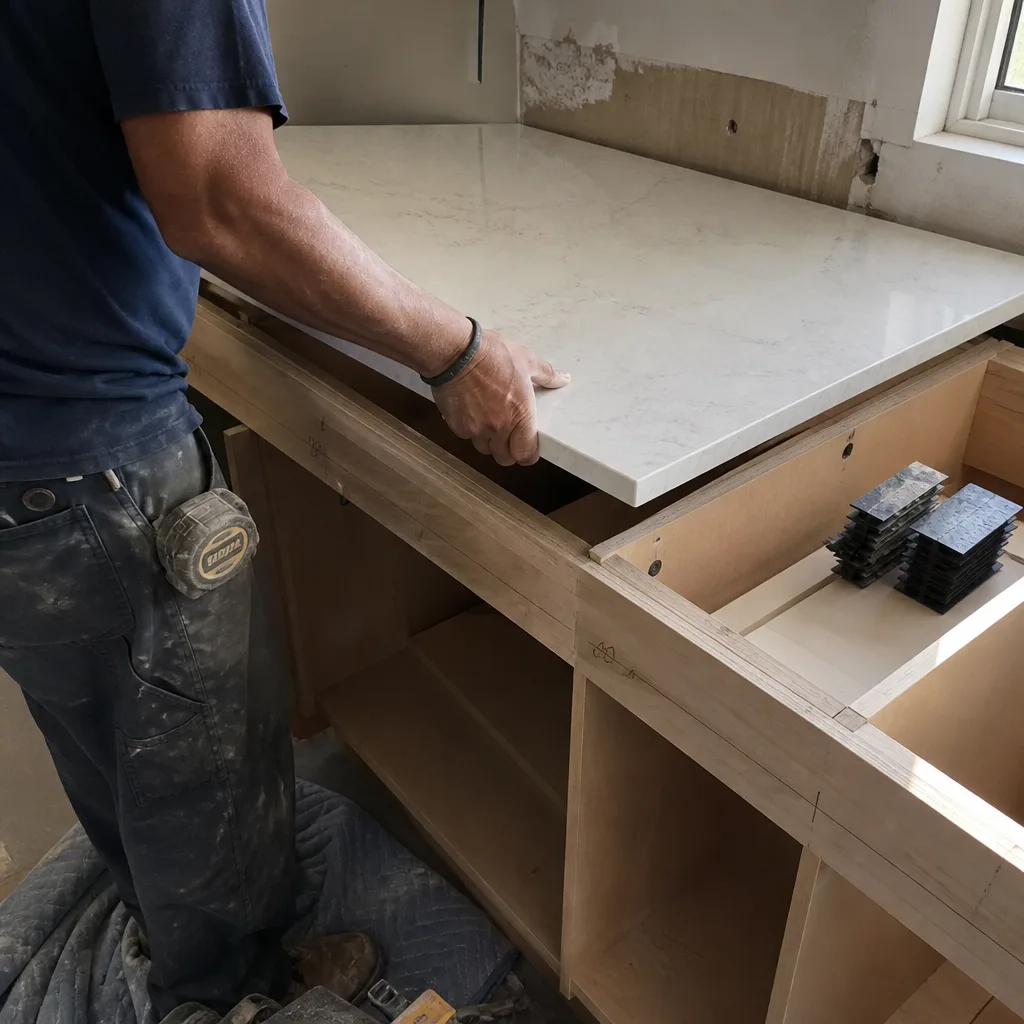
When we bid a kitchen remodeling in Huntington Beach project, the written scope specifies which trades Rowan performs directly and which are subcontracted to verified CSLB licensees. The customer receives license numbers for all parties, verified active at the time of contract signing. This is Clause 1 of the Haven Standard: documentation before work starts, not after a problem emerges.
Realistic Permit-to-Final-Inspection Timelines in Huntington Beach
Contractor timelines often quote “permit time” as a single number. The actual process in Huntington Beach involves sequential reviews, potential revision cycles, and inspection scheduling that varies by project complexity and city staffing. Here’s the breakdown we’ve refined across 4,000-plus projects.
Standard Projects (no Coastal Development Permit):
| Phase | Timeline | Notes |
|---|---|---|
| Plan check submittal to first review | 10-15 business days | Online submittal available; paper plans still accepted at 2000 Main St. |
| Plan check corrections and resubmittal | 5-10 business days per cycle | Most projects require 1-2 correction cycles |
| Permit issuance | 2-3 business days after approval | Payment required before release |
| Rough inspection scheduling | 3-5 business days out | Book online or by phone; cancellations common |
| Final inspection scheduling | 3-5 business days out | All trades must pass rough before final |
| Total: Standard project | 4-8 weeks | Assuming one correction cycle, no delays |
Projects Requiring Coastal Development Permit:
| Phase | Timeline | Notes |
|---|---|---|
| CDP application to completeness review | 14-21 business days | Coastal Commission Orange Coast District |
| Public notice period | 10-14 calendar days | Required for most CDPs; cannot be waived |
| Coastal Commission hearing or staff approval | 30-60 days | Staff approval for minor projects; hearing for major |
| City plan check (runs parallel after CDP) | 10-15 business days | Can begin after CDP preliminary approval |
| Permit issuance after both approvals | 2-3 business days | Both CDP and city permit required before work |
| Total: CDP project | 10-16 weeks | Extended biological or archaeological review adds 4-8 weeks |
The City of Huntington Beach Building Division accepts plan check submittals at 2000 Main Street, 3rd Floor. Their current hours are Monday through Thursday, 7:30 AM to 5:30 PM, with plan check intake until 4:00 PM. The direct line for permit status is (657) 288-3368. For Coastal Development Permit status, contact the Coastal Commission Orange Coast District at (657) 288-3368.
We’ve found that projects in the Huntington Harbour area, with their unique bulkhead and waterways considerations, often require additional Army Corps of Engineers review for any work below the mean high tide line or within navigable waters. This adds 30-60 days and is not reflected in most contractor timelines.
How to Read a Contractor’s Documentation Trail
The primary quality signal in residential construction is not the showroom or the reference photo. It’s the documentation trail: the written record that exists before work starts, accumulates during construction, and remains with the homeowner after final inspection. Here’s what to demand and how to evaluate it.
The Signed Scope of Work
This document defines the project boundary. A proper scope specifies: existing conditions to remain, existing conditions to demolish, new work by trade, material specifications with brand and model where relevant, and exclusions (what the contractor is explicitly not doing). Vague scopes - “install new kitchen” or “update bathroom” - create the ambiguity that generates change orders and disputes. Our scope documents for kitchen remodeling in Huntington Beach run 8-15 pages, with each cabinet line item, appliance connection, and finish specification named. Under Clause 1 of the Haven Standard, this scope is attached to every written price before any work starts.
The Itemized Bid
An itemized bid breaks the project into line-item costs: demolition, rough carpentry, electrical, plumbing, HVAC, insulation, drywall, finishes, and contingency. Lump-sum bids with no breakdown prevent you from comparing proposals or evaluating change order reasonableness. We deliver itemized bids as standard; “call for a quote” is not an option here. The itemization also enables our Free Second Opinion service - bring a competitor’s written estimate and we’ll review it line by line at no charge.
The Change Order Log
Change orders are not failures; they are the mechanism for controlled project evolution. The failure is an unsigned change order, or work proceeding before pricing is agreed. Our discipline, acquired by Haven and maintained since 2007, requires a signed change order before any work proceeds on a modification. The log is maintained in real time and shared with the homeowner. This administrative rigor is why our projects finish within a few percent of the agreed price.
The Photo Record
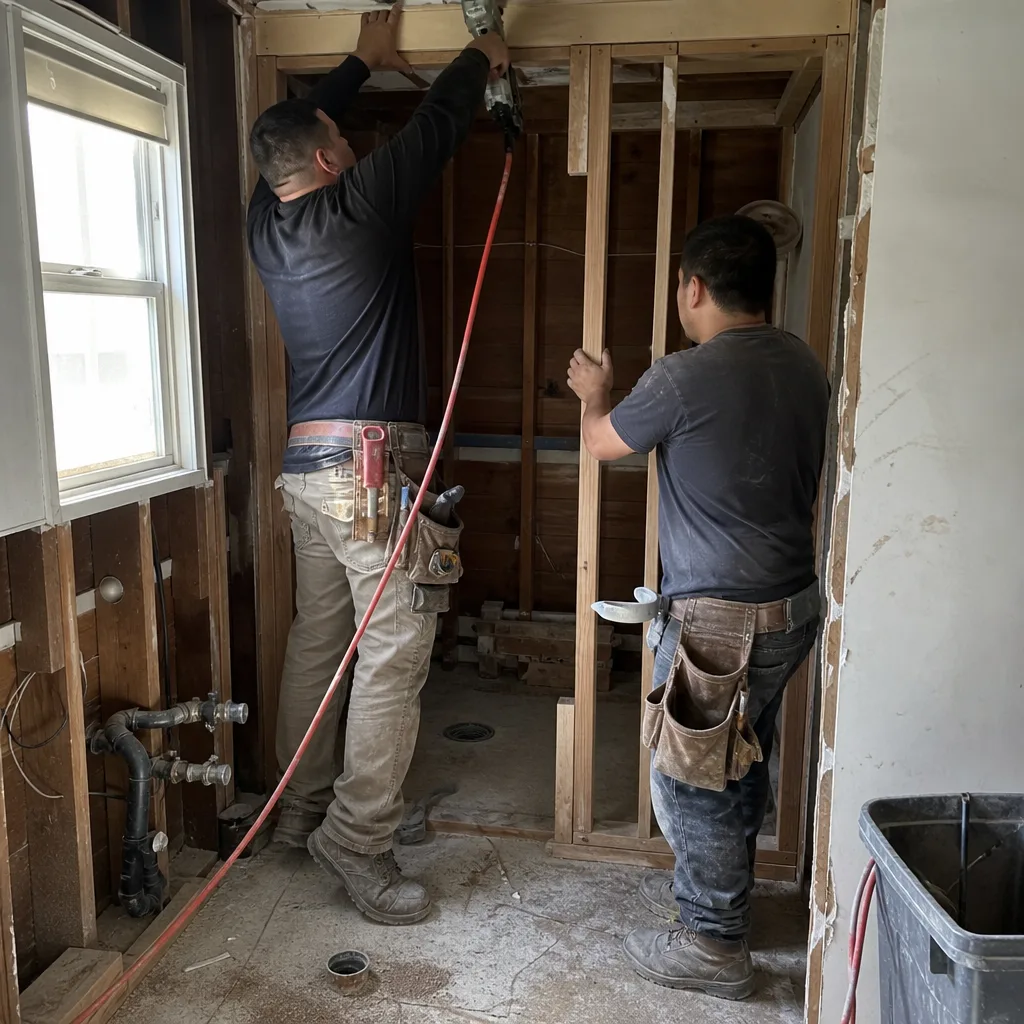
Every visit by a Rowan crew includes a documented photo record: existing conditions before work, progress at rough inspection, and final condition. This is standard, not an upgrade. The customer receives these images as a deliverable, creating evidence of what was found and what was done. In Huntington Beach’s salt-air environment, this record is particularly valuable for documenting substrate conditions - the state of the sheathing when the old roof came off, the condition of the wall framing when the bathroom was gutted - that affect long-term performance.
The Written Warranty
The warranty document specifies: what is covered, for how long, the process for claiming coverage, and the remedy (repair, replacement, or refund). Our 365-Day Done Right Promise is printed on every proposal and backed by a terms page, not an asterisk. The warranty is only as reliable as the entity behind it; CSLB license verification and bond status confirm that the entity exists and is accountable.
Material Selection: Brands and Specifications That Hold Up Here
Material selection in Huntington Beach is not about preference alone. The combination of salt air, UV exposure, and moisture cycling from marine layer influence creates a specific degradation profile that some products handle and others do not. We source across fifty-plus vetted brands to match specification to environment, not to upsell.
For roofing, we’ve already noted Atlas StormMaster Slate and Tamko Heritage IR for their wind and algae resistance. In the Huntington Beach climate, we also specify Boral concrete roof tiles for their Class A fire rating and salt resistance; the concrete matrix does not corrode like metal alternatives, and the color-through manufacturing maintains appearance despite UV exposure. PGT WinGuard windows and doors, which we specify for coastal installations, carry Miami-Dade County approval for large-missile impact - overkill for Huntington Beach’s wind profile, but the laminated glass and reinforced frames also resist the pressure cycling from Santa Ana wind events.
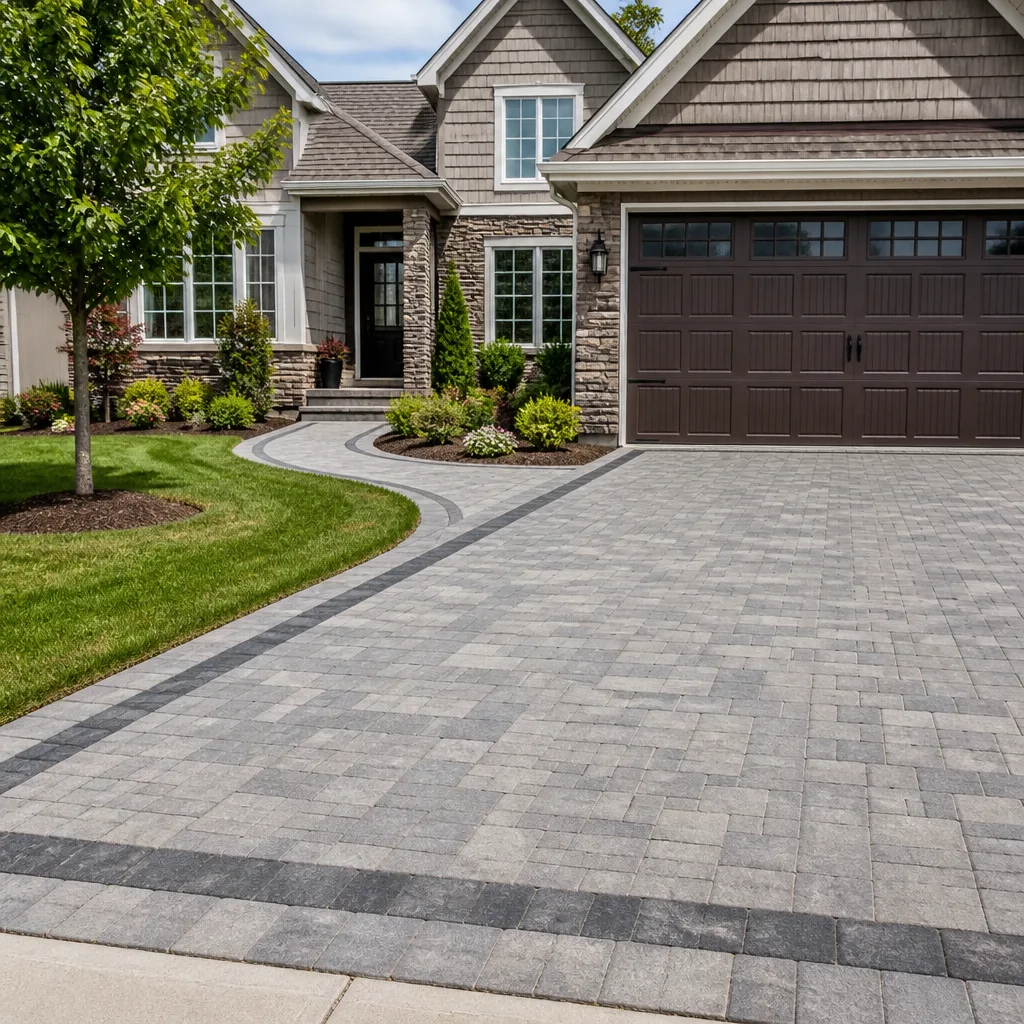
For exterior hardscape, Belgard and Techo-Bloc pavers both manufacture products with specific salt-resistance testing. Their concrete pavers use denser mixes with lower water absorption, reducing the freeze-thaw and salt-crystallization damage that spalls standard concrete in coastal environments. In Huntington Beach’s mild climate, freeze-thaw is minimal, but salt crystallization from irrigation and marine layer is not.
Interior materials shift less by climate, but humidity control matters. The marine layer keeps Huntington Beach’s summer humidity higher than inland Orange County, which affects hardwood acclimation, cabinet material selection, and paint curing. We specify KraftMaid and Wellborn cabinets with plywood box construction (not particleboard) for moisture stability, and we allow extended acclimation periods for site-finished hardwood before installation.
Every material specification in our written quotes includes the brand, model or grade, and the performance characteristic that justifies its selection for this project in this location. The customer can verify and compare. That’s the point.
Huntington Beach Neighborhood-Specific Construction Factors
Huntington Beach’s neighborhoods present distinct construction environments that affect project approach, material selection, and timeline. Understanding these before breaking ground prevents mid-project surprises.
Downtown Huntington Beach and Main Street Corridor
Properties here often date to the 1920s-1950s, with original foundation systems, galvanized plumbing, and knob-and-tube electrical that may be partially active. Any remodel requires asbestos and lead testing as a preliminary step; abatement adds 1-2 weeks and $2,000-$5,000 to most projects. Parking for construction crews is restricted; we coordinate deliveries and staging to avoid Main Street meter violations. The walkability is excellent, but material delivery access is often through narrow alleys.
Huntington Harbour
Waterfront properties face the bulkhead and navigable waters considerations noted earlier. Many homes are on pile foundations with limited access for heavy equipment. Barge delivery is sometimes required for major material loads, adding coordination complexity. The salt-air exposure is maximum here; we specify marine-grade everything and inspect existing steel hardware annually as a service to our Harbour clients.
Seacliff, Sunset Beach, and Surfside
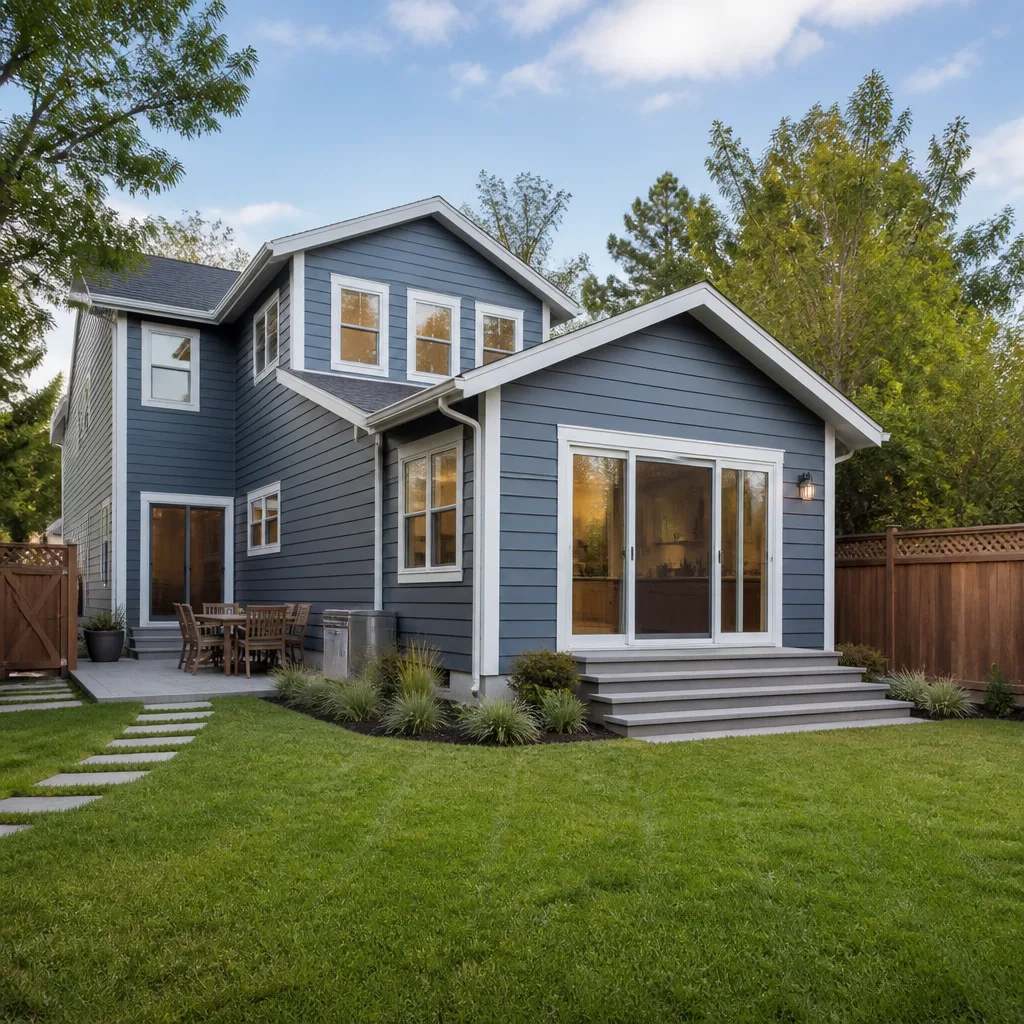
These western neighborhoods experience the highest wind loads and salt deposition in Huntington Beach. Roofing specifications shift to the highest wind ratings available; window and door installations require enhanced fastening schedules to meet FEMA coastal construction guidance. Setback requirements are strictly enforced; any addition or height modification triggers immediate Coastal Commission review.
Goldenwest and Garfield
Inland enough to avoid Coastal Commission jurisdiction, these neighborhoods still benefit from salt-air-aware specifications - the marine layer reaches this far on summer mornings. The primary difference is permit timeline: standard city review only, typically 4-6 weeks from submittal to issuance. Housing stock is predominantly 1960s-1980s tract construction with predictable framing and utility layouts that streamline remodeling.
Bolsa Chica and Wintersburg
Proximity to the Bolsa Chica Ecological Reserve introduces environmental review requirements for any work near wetlands or sensitive habitat. Biological surveys may be required for additions or grading work, adding 4-8 weeks and $3,000-$8,000. We’ve completed several projects in this area and coordinate with the Reserve’s management entity early in planning to avoid seasonal restrictions (typically February through August for certain species).
Common Mistakes to Avoid
- Assuming your project doesn’t need coastal review. The Coastal Zone boundary in Huntington Beach follows Pacific Coast Highway with exceptions; verify with the City’s online map before accepting any timeline. We’ve seen homeowners six weeks into demolition discover their project requires CDP, halting work entirely.
- Accepting a lump-sum bid with no itemization. Without line-item pricing, you cannot evaluate change order reasonableness or compare proposals. The lowest lump-sum bid often becomes the highest final cost.
- Using inland-rated fasteners and hardware within one mile of the coast. Galvanized G90 hardware corrodes through in 7-12 years in Huntington Beach’s salt air. The replacement cost exceeds the initial specification difference by a factor of ten.
- Starting work before permits are issued. The City of Huntington Beach issues stop-work orders for unpermitted construction, and the Coastal Commission can require demolition of unpermitted work in the Coastal Zone. The permit is not a formality; it’s the legal authorization to proceed.
- Failing to verify CSLB license status independently. Contractor license numbers can be checked at cslb.ca.gov. Verify active status, bond, and workers’ compensation coverage. Do not accept a photocopy or screenshot as sufficient.
- Neglecting the photo record. Without documented existing conditions, disputes about damage, scope, or completion standard devolve into accusation. Demand a photo record as a standard deliverable, not an upgrade.
- Ignoring the marine layer’s effect on interior materials. Huntington Beach’s summer humidity runs higher than inland Orange County. Site-finished hardwood, wallpaper, and certain adhesives require extended acclimation and curing periods that contractors accustomed to Riverside or San Bernardino may not allow.
When to Call a Professional
Call a licensed contractor when your project involves structural modification, electrical or plumbing work, roofing replacement, or any addition that changes the building footprint. In Huntington Beach, add the Coastal Zone test to that decision: if your property may fall under Coastal Commission jurisdiction, professional guidance on permit requirements is essential before design finalization.
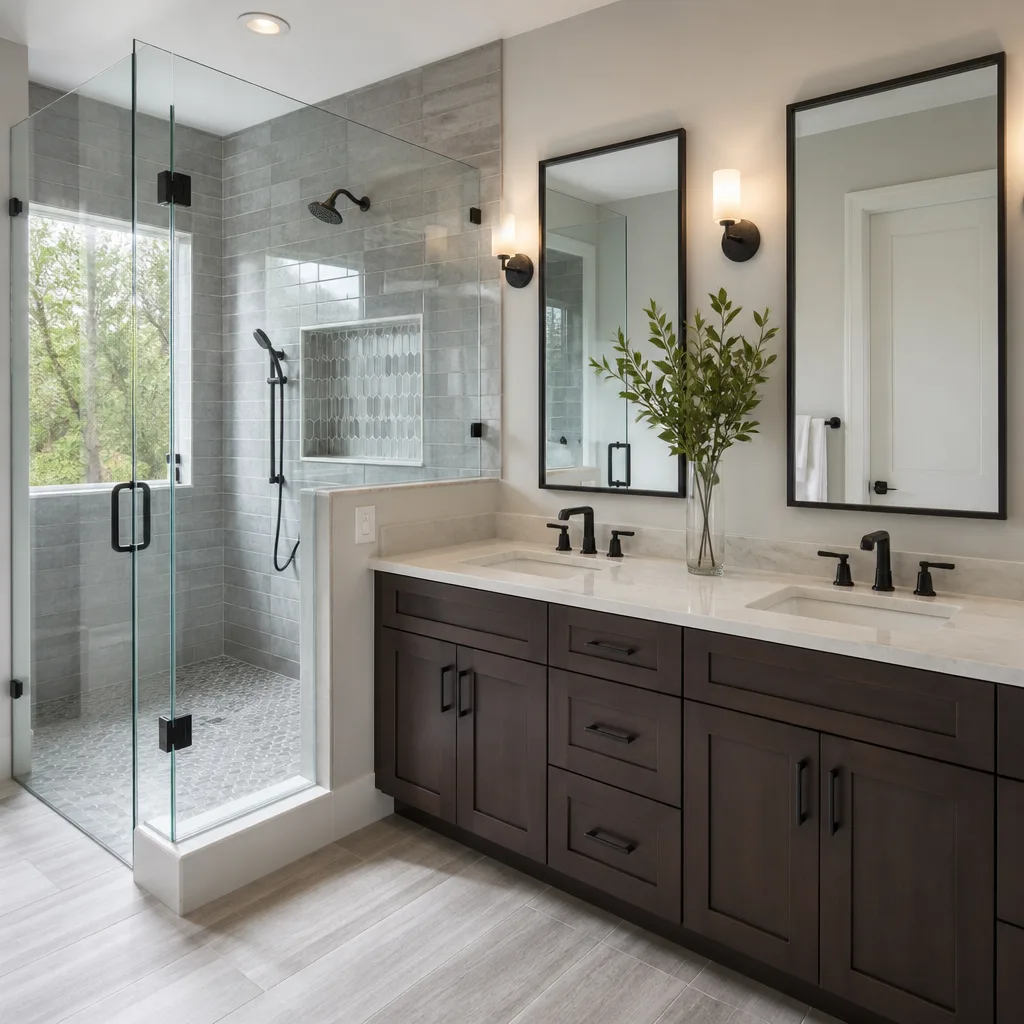
Specific scenarios that warrant immediate professional consultation: foundation cracking or settlement in Huntington Harbour’s pile-supported structures; roof leaks following Santa Ana wind events, which often indicate fastener or flashing failure; any electrical panel work in pre-1970s Downtown Huntington Beach housing stock; and bathroom or kitchen remodeling that involves wall relocation or fixture repositioning.
Rowan Construction Group Huntington Beach offers free estimates in Huntington Beach - call (657) 288-3368. We deliver a written price before any work starts, every time, with a scope document you can compare against any other proposal. Our Free Second Opinion service reviews competitor quotes line by line at no charge.
Frequently Asked Questions
A home addition in Huntington Beach typically ranges from $350 to $550 per square foot for finished space, with Coastal Zone projects often at the higher end due to enhanced material specifications and extended permit timelines. A 400-square-foot master suite addition generally falls between $140,000 and $220,000, including permits, materials, and finish. Call (657) 288-3368 for an exact quote - estimates are free.
Under Clause 1 of the Haven Standard, the written price is the price - unless you request a change. No change proceeds without a signed change order with agreed pricing. This discipline, maintained since 2007, is why our projects finish within a few percent of the original agreement. The only exception is concealed conditions: rot, asbestos, or code violations hidden behind existing finishes, which we document with photos and discuss before proceeding.
Rowan pulls all permits as part of our standard service. The permit is issued in the homeowner’s name with Rowan Construction Group listed as the contractor of record. You receive copies of all permit documents, inspection records, and the final Certificate of Occupancy or completion. This is included, not an add-on.
A typical kitchen remodeling in Huntington Beach project takes 8-12 weeks from permit issuance to final inspection, assuming no Coastal Development Permit requirement. Projects in the Coastal Zone add 8-12 weeks for CDP processing. The construction phase itself - demolition through finish - runs 6-8 weeks for a full gut remodel with layout changes. We provide a written timeline with the price, updated weekly during construction.
Verify any California contractor license at cslb.ca.gov using the license number. Confirm: license status is “Active,” the bond is current, workers’ compensation insurance is on file (unless the contractor has no employees, which we do not recommend for residential construction), and the business name matches the contract. Rowan’s license number appears on every proposal, and we encourage independent verification.
An ADU (Accessory Dwelling Unit) is a separate, self-contained living unit with kitchen, bathroom, and sleeping area, subject to specific state and local size and setback requirements. A home addition expands the existing dwelling without creating a separate unit. In Huntington Beach, ADUs under 750 square feet receive streamlined permit review under state law; larger ADUs and all home additions follow standard plan check. Both trigger Coastal Development Permit requirements if in the Coastal Zone.
Within approximately one mile of the Huntington Beach coast, we specify hot-dip galvanized or stainless steel fasteners, marine-grade lumber for exposed applications, and enhanced roofing and window specifications. These are not upgrades; they are the specifications that produce durable results in salt-air exposure. The cost difference is 10-25% on affected trades, reflected in the written price before work starts.
The Bottom Line
Construction in Huntington Beach requires navigating three overlapping systems: California Coastal Commission jurisdiction for properties near the coast, salt-air material specifications that differ from inland standards, and City of Huntington Beach permit processes with realistic timelines that extend beyond most contractor quotes. The homeowners who finish on time and within budget are those who verify these variables before signing a contract, who demand written documentation at every stage, and who select contractors with demonstrated discipline in cost control and permit compliance. The documentation trail - signed scope, itemized bid, change order log, photo record, and written warranty - is the quality signal that separates predictable projects from problematic ones.
Written by Grant Rowan, Owner at Rowan Construction Group Huntington Beach, serving Huntington Beach since 2007.