
Last updated September 24, 2026
Free written scope consultation - allowances, timeline, and change-order rules on paper before a single trade is scheduled



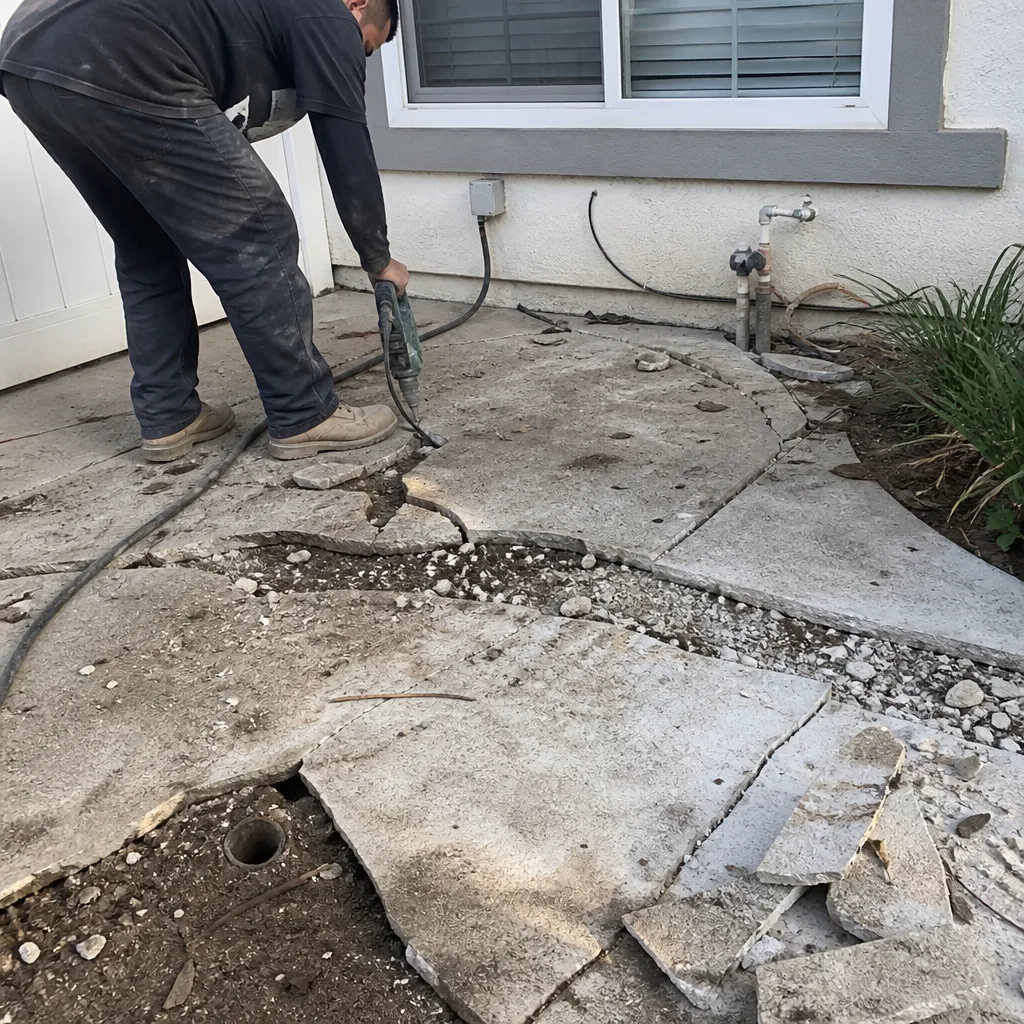 Before
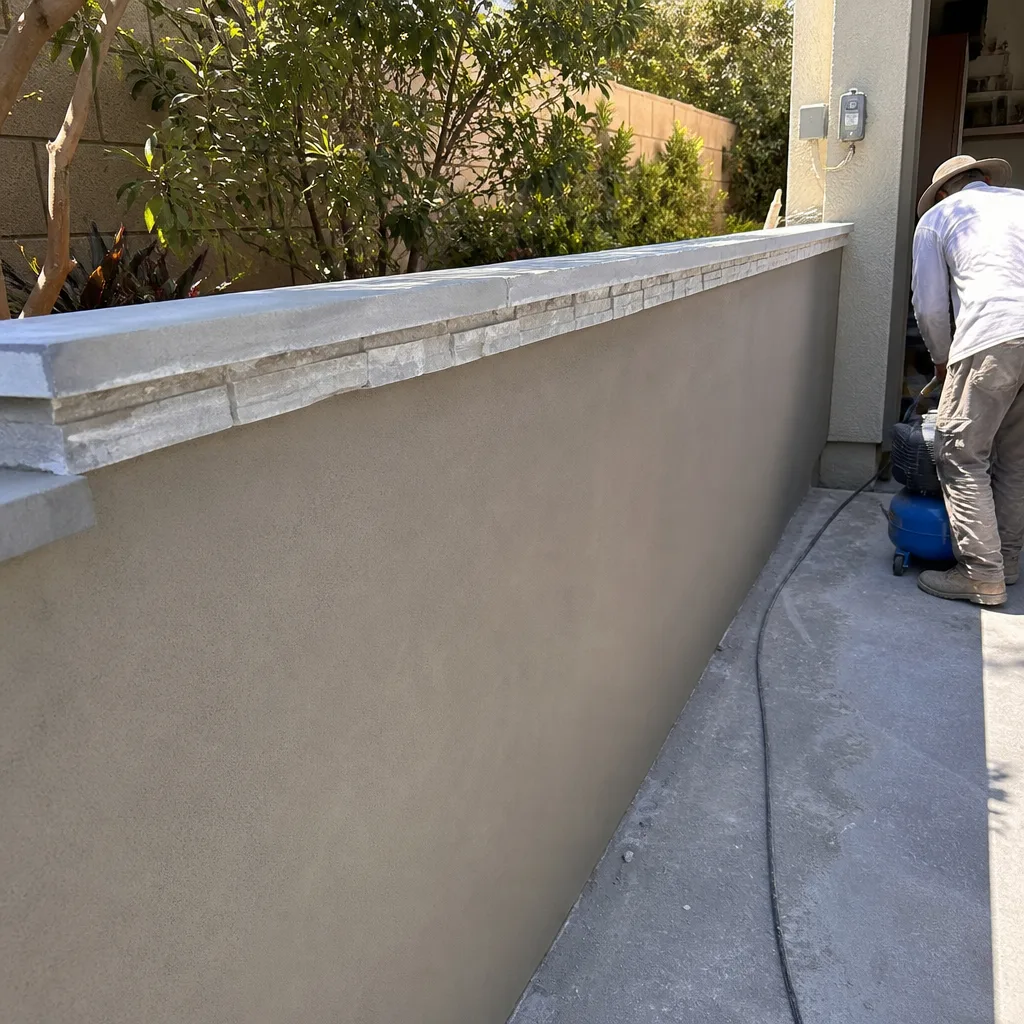 After
After Before
 After
After Before
 After
AfterSeasonal Construction Care for Huntington Beach: Year-Round Homeowner’s Guide
June Gloom in Huntington Beach - the marine layer that sits from late May through early July - delivers sustained relative humidity above 80% on many mornings, enough to accelerate paint film failure, trigger wood swelling in exterior trim joints, and promote mold growth behind window flanges that were caulked with paintable latex instead of silicone. Most homeowners here skip seasonal maintenance because the weather feels mild year-round. That mistake costs $8,000-$25,000 in accelerated repairs over a typical ten-year ownership span. In our complete guide to construction in Huntington Beach, we’ll assign specific inspection and maintenance tasks to each quarter based on the actual weather patterns that stress coastal Orange County homes, not a generic national template. You’ll get measurements you can verify with a tape measure, product specifications you can check at the hardware store, and a maintenance log format that doubles as documentation for your HOA or insurance claim.
Quick Answer
Seasonal construction care in Huntington Beach means four targeted inspections per year: post-rain roof and stucco checks in Q1, pre-marine-layer window caulk and paint audits in Q2, Santa Ana wind roof prep and UV damage assessment in Q3, and drainage grading plus attic ventilation verification in Q4. For a deeper dive into expected costs, see our Construction Cost Breakdown: The Huntington Beach Homeowner’s Reference for 2026. Homeowners who follow this schedule typically spend $400-$900 annually on preventive maintenance versus $2,000-$8,000 on reactive repairs after weather events. The salt air, June Gloom moisture cycles, and Santa Ana wind gusts that define Huntington Beach’s climate each attack different building components, and timing your work to the actual weather calendar prevents the damage that mild temperatures otherwise hide.
Table of Contents
- Q1 (January-March): Post-Rain Recovery Inspection
- Q2 (April-June): Pre-Marine-Layer Preparation
- Q3 (July-September): Santa Ana Wind Preparation
- Q4 (October-December): Winter Readiness and Drainage
- The Maintenance Log: Your Documentation System
- Common Mistakes to Avoid
- When to Call a Professional
- Frequently Asked Questions
 Before
 After
AfterQ1 (January-March): Post-Rain Recovery Inspection
Huntington Beach receives 12-14 inches of rain annually, concentrated in January through March. That concentrated load tests every penetration in your roof, every stucco crack, and every window installation that was marginal to begin with. The work in this quarter is diagnostic: find what the rain found before the next cycle starts.
Roof Flashing Inspection
Start at the roof. Walk the perimeter with binoculars from the ground, then inspect from a ladder at the eaves if you’re comfortable doing so. Look at pipe flashings, chimney saddles, and valley intersections. In Huntington Beach, salt air corrodes galvanized steel flashings faster than inland markets; we regularly see 20-year flashings fail at year 12 near the coast. What to check:
- Lifted or separated flashing tabs at pipe penetrations
- Cracked rubber boots on plumbing vents - replacement boots cost $8-$15, water damage costs $400-$2,000
- Granule accumulation in gutters below valleys, indicating shingle wear (Tamko and GAF shingles both show this pattern when protective granules loosen)
- Corrosion streaks on metal surfaces - orange for steel, white for aluminum
If you find lifted flashing, do not attempt to reseal it yourself. The sealant is secondary; the mechanical fastening is primary, and walking a roof to fix it is not a homeowner task. Roofing in Huntington Beach requires proper fall protection and fastening patterns that match the existing assembly.
Stucco Crack Assessment
Stucco in Huntington Beach takes a specific beating: salt air draws moisture through hairline cracks, then January rain pushes it to the substrate. Freeze-thaw isn’t our problem; wet-dry cycling with salt is. Measure every crack you find:
- Clean the crack with a wire brush to remove loose material and old caulk
- Measure width with a standard tape measure or crack gauge
- Cracks under 1/16 inch: monitor only, photograph, log
- Cracks 1/16 to 1/4 inch: clean and seal with elastomeric caulk rated for exterior stucco (Sikaflex or equivalent, not generic latex)
- Cracks wider than 1/4 inch: professional evaluation warranted - this indicates substrate movement, drainage failure, or missing weep screed at the foundation line
Weep screed is the perforated metal strip at the base of stucco walls that lets moisture escape. In Huntington Beach homes built 1980-2005, missing or buried weep screed is common and causes the efflorescence (white powder) you see at foundation lines. That’s not cosmetic; it’s water escaping through the only path available.
Window Weep Hole Verification
Vinyl and aluminum windows have weep holes - small slots in the exterior frame that drain water from the track. Paint, caulk, or debris blocks them, and then water backs into the wall. In Q1, after the heaviest rains, verify every window:
- Locate weep holes on the exterior sill (usually two per window, sometimes hidden by a flap)
- Clear with a toothpick or compressed air - never seal them
- Check that interior window tracks drain to the exterior, not onto the sill
We’ve replaced drywall in Huntington Beach’s Seacliff neighborhood where blocked weep holes caused $3,200 in interior damage over two rainy seasons. The homeowner thought the window was “leaking”; the window was working exactly as designed, but the drainage path was blocked.
Q1 Task Summary and Budget
| Task | DIY Cost | Pro Cost if Needed |
|---|---|---|
| Roof flashing inspection (ground and ladder) | $0 | $150-$300 for professional roof inspection with photo documentation |
| Stucco crack sealing (under 1/4 in) | $15-$40 in caulk and tools | $200-$500 for professional elastomeric application |
| Window weep hole clearing | $0 | N/A |
| Gutter cleaning and downspout verification | $0-$25 (hose attachment) | $120-$200 for single-story; $180-$280 for two-story |
Q2 (April-June): Pre-Marine-Layer Preparation
The marine layer defines Huntington Beach construction differently than heat defines Phoenix or freeze defines Minneapolis. From late May through early July, relative humidity sits above 80% many mornings, temperatures stay 15-20 degrees below inland Orange County, and the sun that does arrive carries salt particulate. This quarter’s work prevents the moisture damage that July’s sun will bake in place.
Window and Door Caulk Audit
Not all caulk handles marine-layer humidity. Paintable latex acrylic - the default at most hardware stores - absorbs moisture, swells, and loses adhesion at the flange. Silicone or hybrid formulations (OSI Quad, GE Silicone II Window & Door) maintain flexibility and don’t feed mold. Here’s the audit:
- Inspect every window and door exterior perimeter. Probe gently with a putty knife where caulk meets siding or trim
- Failed caulk lifts away easily; sound caulk resists and flexes
- Remove failed material with a hook tool or utility knife
- Clean the joint with mineral spirits (for silicone residue) or soap and water
- Apply backer rod in gaps over 1/4 inch, then caulk with silicone or hybrid sealant rated for 50% joint movement
PGT and CGI window systems, common in coastal California installations, specify silicone sealant at the nailing flange for this reason. We’ve opened walls in Huntington Beach where latex caulk failed behind the flange and mold grew on the OSB sheathing - not because the window leaked, but because the caulk transmitted moisture instead of blocking it.
Exterior Paint Adhesion: The Tape Test
Paint film failure in Huntington Beach starts invisible. Salt air and humidity compromise adhesion before you see peeling. The tape test finds it:
- Cut a small X through paint to bare substrate with a utility knife
- Apply masking tape firmly, rub down
- Pull tape off rapidly at 180 degrees
- Rating: 5B (no removal) to 0B (complete removal). Below 3B, repaint is needed
Focus on south and west exposures, which take the most UV after marine-layer mornings. If the substrate is chalking (powdery residue on your hand), the paint system has failed to the primer layer. Spot repair won’t last; surface prep and full recoat are required. For coastal stucco, we specify elastomeric coatings (Kelly-Moore Elastomeric or equivalent) that bridge hairline cracks and breathe moisture vapor, unlike standard acrylic latex.
HVAC Filter Replacement Before Cooling Season
Huntington Beach’s coastal particulate load is unique: salt crystals, marine fog nuclei, and standard pollen. Filters clog faster here than inland, and the cooling season starts when the marine layer breaks in July. Replace in May, before peak load:
| Filter Type | MERV Rating | Coastal Suitability | Replacement Interval |
|---|---|---|---|
| Fiberglass disposable | 1-4 | Poor - misses salt particulate | 30 days |
| Pleated polyester | 8-12 | Good - balances airflow and filtration | 60-90 days |
| High-efficiency pleated | 13-16 | Excellent filtration; verify furnace fan capacity | 90 days |
| HEPA/ULPA | 17-20 | Overkill for residential; may restrict airflow | 12 months |
We recommend MERV 11-13 pleated filters for Huntington Beach homes: sufficient for salt and pollen load without overworking standard HVAC blowers. Check the filter monthly during marine-layer season; humidity makes particulate adhere and load faster.
Q2 Task Summary and Budget
| Task | DIY Cost | Pro Cost if Needed |
|---|---|---|
| Window/door caulk replacement (whole house) | $40-$120 in materials | $350-$800 for professional application |
| Exterior paint touch-up or recoat | $200-$600 in paint and tools | $3,500-$8,000 for full house repaint |
| HVAC filter replacement | $15-$45 per filter | N/A |
| Exterior hose bib and irrigation valve inspection | $0 | $150-$300 if valve replacement needed |
Q3 (July-September): Santa Ana Wind Preparation
Santa Ana winds arrive September through December, but preparation happens in July and August when roofing crews are available and materials are in stock. These dry, hot winds gust to 50+ mph in Huntington Beach, and they test every roof component that was marginal in spring. The cost differential between pre-wind repair and post-wind damage is extreme.
Roof Tile Inspection: The $150 vs. $8,000 Decision
Concrete and clay tile roofs dominate Huntington Beach’s older neighborhoods - Huntington Harbour, Sunset Beach, parts of Downtown. Loose tiles are the vulnerability. A tile displaced by wind exposes the underlayment; wind-driven rain enters; the underlayment is not designed to be primary waterproofing for more than a brief period. We’ve seen $150 tile reattachment jobs become $2,000-$8,000 deck repairs after one Santa Ana event.
- Ground inspection: walk the perimeter, look for displaced, cracked, or sliding tiles
- Binocular inspection from a neighbor’s yard or second story: check ridge lines and hip intersections where wind uplift concentrates
- Professional inspection if you see: tiles shifted from their course, visible underlayment, or mortar bedding cracked at ridges
- Never walk a tile roof yourself - the tiles crack under point load, and the slope is dangerous
Boral concrete tiles and equivalent products specify foam adhesive or mechanical fastening at ridges in high-wind zones. Huntington Beach is not a hurricane zone, but Santa Ana gusts exceed the sustained wind loads that standard mortar bedding handles over decades. If your roof was installed before 2000, it likely lacks modern fastening.
Gutter Debris Clearing and Fastener Check
Gutters full of debris become projectiles in Santa Ana conditions, and the fasteners pull from fascia boards that are often compromised by prior moisture intrusion. Clear thoroughly:
- Remove all debris by hand or with a gutter scoop
- Flush with hose, verify downspout flow
- Check gutter hangers: should be spaced every 24-32 inches, firmly attached
- Look for fascia board rot behind hangers - probe with screwdriver; soft wood means water has been entering
In Huntington Beach’s tree-canopied neighborhoods near Central Park, leaf load is heavy; near the beach, salt spray corrodes hangers. Both conditions need Q3 attention before wind season.
Exterior Wood Surface UV Assessment
July and August sun in Huntington Beach is intense after the marine layer clears. UV checking - the surface graying and cracking of wood - progresses faster on south and west exposures. Check:
- Deck boards and railings: splintering, graying, raised grain
- Fascia and trim: paint or stain failure, end-grain cracking
- Fence boards: Rowan Construction Group Huntington Beach home regularly sees cedar and redwood fencing in Huntington Beach fail first at the post-to-rail joints, where water traps against end grain
The test: sprinkle water on horizontal wood surfaces. If it beads, protection remains; if it absorbs immediately, the surface is porous and needs resealing. For decks, we specify penetrating oil-based sealers (Cabot Australian Timber Oil or equivalent) over film-forming stains in coastal environments - they don’t peel when moisture moves through the board.
Q3 Task Summary and Budget
| Task | DIY Cost | Pro Cost if Needed |
|---|---|---|
| Roof tile inspection (professional) | N/A | $200-$400 for inspection with photo documentation |
| Tile reattachment or replacement (per tile) | N/A | $150-$350 for spot repairs; $800-$2,500 for ridge rebedding |
| Gutter cleaning and hanger adjustment | $0-$25 | $120-$280 |
| Deck/fence sealing (materials only) | $80-$200 | $600-$1,800 for professional deck refinishing |
Q4 (October-December): Winter Readiness and Drainage
Q4 in Huntington Beach is not about snow. It’s about the rain that will come January through March, and about verifying that your property moves water away from the foundation as designed. It’s also the quarter for the one annual task most homeowners skip entirely.
Drainage Grading Inspection
Soil settles, mulch decomposes, and hardscape shifts. The grade that sloped away from your foundation at construction may now be flat or reversed. The standard is 6 inches of drop in the first 10 feet from the foundation - that’s a 5% slope, measurable with a level and tape.
- At multiple points around the house, place a level on the soil surface perpendicular to the foundation
- Measure the vertical drop at 10 feet; should be 6 inches minimum
- If less than 6 inches: add soil, recompact, and verify; or install a French drain if space is limited
- Check that downspout extensions carry water at least 6 feet from foundation; splash blocks are insufficient in concentrated rain
In Huntington Beach’s flat coastal plain, natural drainage is poor. Homes in the Oak View neighborhood and other areas with high water tables are especially dependent on maintained grade and functional perimeter drains. We’ve repaired foundation moisture damage where the only failure was a downspout extension that had been kicked aside by a lawn service.
Irrigation Controller Winterization
Huntington Beach doesn’t freeze hard, but December nights occasionally drop to high 30s. More importantly, winter rain makes irrigation redundant and can overwater foundations. The task:
- Reduce controller schedule to 50% or enable rain sensor override
- Verify rain sensor function: wet the sensor, confirm system shuts off
- Drain above-ground backflow preventers if hard freeze is forecast
- Mark sprinkler heads before any holiday decoration staking
Overwatering in winter is a hidden cause of foundation movement in Huntington Beach’s expansive clay soils. The moisture profile should vary seasonally; constant saturation swells clay and stresses slab foundations.
The Task Most Skip: Attic Ventilation per Title 24
California’s Title 24 energy code specifies attic ventilation ratios: 1 square foot of net free vent area per 150 square feet of attic floor area (or 1:300 with balanced intake and exhaust). Most Huntington Beach homeowners have never measured their attic ventilation, and many homes - especially those with Home Additions including ADUs added after original construction - fall short.
Why this matters in Q4: winter temperature differentials drive moisture into the attic from living spaces. Inadequate ventilation traps it, saturating insulation and promoting mold on the roof deck. The marine layer’s humidity load makes this worse on the coast than inland.
- Measure attic floor area
- Calculate required vent area: attic sq ft ÷ 150 = required net free square feet
- Measure existing vents: ridge vent (length × width × 0.9 for net free factor), soffit vents (count × individual rating), gable vents (labeled net free area)
- If existing is under 80% of required, add soffit or ridge venting before winter
We’ve inspected attics in Huntington Beach where insulation was compressed to R-11 by moisture weight, and roof decking showed black mold at the nail lines - all from ventilation deficiency that a Q4 inspection would have caught. The repair cost: $2,500-$6,000. The prevention cost: $200-$800 in additional venting.
Q4 Task Summary and Budget
| Task | DIY Cost | Pro Cost if Needed |
|---|---|---|
| Grading correction (soil and labor) | $50-$150 | $400-$1,200 for regrading with equipment |
| French drain installation (per linear foot) | $8-$15 in materials | $25-$45 installed |
| Irrigation controller adjustment | $0 | $75-$150 for controller upgrade with smart weather sensing |
| Attic ventilation assessment and addition | $30-$100 in measuring tools and basic vents | $200-$800 for professional venting improvement |
The Maintenance Log: Your Documentation System
A maintenance log serves two purposes: it reminds you what’s due, and it documents condition over time for HOAs, insurance claims, and resale disclosure. In Huntington Beach, where HOAs are common in condominium communities and planned developments, documentation can resolve disputes before they start.
We provide a documented photo record on every Rowan Construction Group visit as standard - not an upgrade. Homeowners should maintain the same discipline for their own work. Here’s the format:
| Date | Task | Location/Component | Condition Found | Product Used | Cost | Next Due | Photo Filename |
|---|---|---|---|---|---|---|---|
| Example: 03/15/2025 | Roof flashing inspection | North chimney saddle | Galvanized flashing corroded, 2 in separation at uphill edge | N/A - pro repair scheduled | $0 inspection | Post-repair verification: 04/15/2025 | 2025-03-15_chimney_01.jpg |
| Example: 05/20/2025 | Window caulk replacement | Master bedroom, west window | Latex caulk failed, 3/16 in gap at upper corner | OSI Quad Max, white | $18 tube + $12 tools | Annual inspection: 05/20/2026 | 2025-05-20_mbr_window_01.jpg |
Store photos with filenames that sort chronologically. Use cloud backup. If you file an insurance claim for wind or water damage, this log proves maintenance was performed and damage was not from neglect. In our experience, insurers deny 15-20% of claims where maintenance records are absent or ambiguous.
For Huntington Beach homeowners in HOA-governed communities, the log also satisfies many association maintenance requirements and can expedite architectural review for future improvements. We’ve had clients avoid $500 HOA fines by producing dated maintenance records showing compliance with exterior upkeep rules.
Common Mistakes to Avoid
- Skipping Q2 because “it’s just fog.” The marine layer delivers more moisture to building envelopes than many inland rainstorms. Homeowners who dismiss June Gloom as mild weather miss the quarter when preventive caulking and paint touch-up matter most.
- Using interior caulk on exterior joints. Paintable latex caulk belongs inside. On exterior window flanges in Huntington Beach, it absorbs marine moisture, swells, and fails within 18 months. We’ve opened walls where the caulk looked intact but transmitted gallons of moisture.
- Walking tile roofs for “inspection.” Concrete and clay tiles crack under concentrated weight. The inspection that breaks a tile creates the leak it was meant to prevent. Use binoculars, drones, or professional roofers with proper walk boards.
- Ignoring attic ventilation because the house “feels fine.” Attic moisture damage progresses for years before living-space symptoms appear. By then, insulation is compromised and roof decking may need replacement. Title 24 compliance is measurable; measure it.
- Letting irrigation run on winter schedule. Huntington Beach’s flat terrain and clay soils don’t drain excess winter water. Saturated foundation perimeters cause slab movement that cracks tile, drywall, and stucco. The fix is a controller adjustment, not foundation repair.
- Documenting with memory instead of records. “I think we did the gutters last fall” doesn’t satisfy an HOA, insurer, or buyer. The 20 minutes to log a task prevents hours of dispute later. Our crews photograph every condition found; homeowners should do the same.
- Waiting for visible damage to call a professional. By the time stucco cracks widen to 1/4 inch or paint peels, the substrate damage is established. The inspection schedule in this guide finds problems at the stage where $200 of prevention replaces $2,000 of repair.
When to Call a Professional
Some tasks in this guide are appropriate for attentive homeowners; others require training, equipment, or both. Call a professional when you encounter: roof flashing corrosion or separation (fall risk and waterproofing complexity); stucco cracks exceeding 1/4 inch (indicates structural or drainage failure, not surface repair); tile roof displacement or mortar bedding cracks (fall risk and specialized fastening knowledge); electrical or gas line work during any inspection (code requirement and safety hazard); or foundation grading that requires equipment or soil analysis.
Rowan Construction Group Huntington Beach offers free estimates in Huntington Beach - call (657) 288-3368. Under Clause 1 of The Haven Standard, you’ll receive a written price before any work starts, with a written scope and warranty, every time. We also provide a Free Second Opinion on any written estimate from another contractor; bring your quote and we’ll review it line by line at no charge. Every visit includes a documented photo record as standard, and our crews are background-checked and uniformed. Grant Rowan has held to this discipline since founding the company in 2007, across 4,000-plus projects where final cost stayed within a few percent of the written quote.
Frequently Asked Questions
Annual preventive maintenance following this guide typically runs $400-$900 for materials and minor repairs a homeowner handles, or $1,200-$2,500 if professional services are used for roof, gutter, and paint work. Reactive repairs after weather damage average $2,000-$8,000. Call (657) 288-3368 for a free estimate on any professional service - estimates are free and include a written price before work starts.
At Rowan Construction Group, no work proceeds on a change until the change order is signed. The written price you receive before work starts is the price you pay, within a few percent, because that administrative discipline has governed every project since 2007. If we find additional conditions during work, we document them with photos, present a written change order, and obtain your signature before proceeding. Call (657) 288-3368 to schedule an estimate and see the written quote process.
Pure maintenance - cleaning, caulking, filter replacement, gutter clearing - does not require permits in Huntington Beach. Repairs that alter structural components, roof assemblies, or electrical/plumbing systems may require permits per the Huntington Beach Building and Safety Division; see Construction Permits, Codes & Inspections in CA: What You Need to Know for details. We pull all required permits and schedule inspections as part of our standard process; the permit cost is included in your written quote. Call (657) 288-3368 if you’re unsure whether your project needs permitting.
Salt air accelerates corrosion of metal flashings, fasteners, and HVAC components by 30-50% compared to inland markets. It also draws moisture into porous materials - stucco, wood, latex caulk - even when relative humidity seems moderate. The combination of salt and June Gloom moisture creates electrolytic corrosion on galvanic pairs (aluminum and steel in contact) that inland climates don’t produce. In our work from Huntington Harbour to Downtown, we replace corroded hardware 5-7 years earlier than inland contractors report for similar installations.
A thorough homeowner inspection following this guide takes 3-4 hours per quarter, distributed across a weekend. Professional inspections range from 45 minutes for a roof-only evaluation to 2-3 hours for a whole-house condition assessment with photo documentation. We schedule our inspections with written arrival windows, not “sometime Tuesday,” because your time is part of the cost. Call (657) 288-3368 to book a slot.
Skipping Q2 marine-layer preparation. The moisture that accumulates during June Gloom is invisible, gradual, and cumulative. By the time paint peels or window trim rots, the sheathing behind it is compromised. We’ve opened walls in Seacliff and Huntington Harbour where $40 of silicone caulk in May would have prevented $4,000 of rot repair in November. The second most expensive mistake is walking tile roofs; the third is ignoring attic ventilation. Call (657) 288-3368 for a free estimate if you’ve found conditions you’re unsure about.
The Bottom Line
Huntington Beach’s mild climate is a maintenance trap: the absence of dramatic weather makes seasonal care feel optional until the damage is expensive. The salt air, June Gloom, and Santa Ana winds each attack specific building components on a predictable calendar. Q1 finds what winter rain exposed; Q2 seals what summer moisture will exploit; Q3 secures what autumn winds will test; Q4 verifies what next winter’s rain will challenge. The homeowners who spend $400-$900 annually on this schedule avoid the $2,000-$8,000 reactive repairs that define neglected coastal homes. Document everything in a maintenance log with photos, product names, and costs. The record protects your investment, satisfies your HOA, and proves condition when you sell. And when a task exceeds your comfort or equipment, call a professional who puts the scope and price in writing before work starts.
Written by Grant Rowan, Owner at Rowan Construction Group Huntington Beach, serving Huntington Beach since 2007.